How to Prune Mediterranean brome?
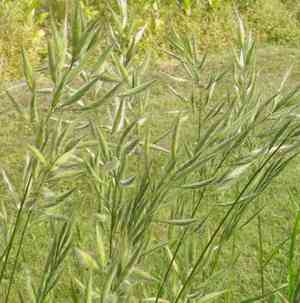
Celebrated for its resistance to arid conditions and high temperatures, Mediterranean brome flourishes in Mediterranean environments. Trimming entails eliminating withered or compromised stems and reducing thick foliage to enhance air movement. The most suitable periods for pruning extend from spring to autumn, coinciding with its vigorous development phase. Consistent trimming aids in preserving its form, stimulating fresh development, and deterring infestations by boosting the plant's general well-being. Cultivators ought to guarantee neat incisions to avert ailments and prefer manual clippers for exactness.
Advantages of Trimming Mediterranean Brome
Advantages of Trimming Mediterranean Brome
Trimming mediterranean brome promotes robust development and helps maintain its desired form. Regular removal of older stalks encourages fresh, healthy shoots and enhances the plant's appearance, ensuring mediterranean brome remains compact and strong.
Optimal Pruning Period for Mediterranean Brome
Optimal Pruning Period for Mediterranean Brome
For mediterranean brome, the best times for pruning are spring, early summer, and fall, aligning with this grass species' growth cycle. Spring pruning prepares for new growth, fostering a healthier, denser plant. Early summer trimming helps manage size and removes seed heads before maturity, as mediterranean brome actively grows and reproduces then. Fall pruning readies mediterranean brome for dormancy by clearing dead or diseased foliage, which can otherwise harbor pests and diseases over winter. These seasons ensure plant vitality and reduce unwanted spread.
Tools Required for Pruning Mediterranean Brome
Hand Pruners
These are perfect for making precise cuts on mediterranean brome, allowing gardeners to remove individual leaves or stems without harming the rest of the plant. Given the slender nature of mediterranean brome stalks, sharp bypass pruners can easily manage the necessary cuts.
Grass Shears
As mediterranean brome is a grass, specialized grass shears are designed to neatly trim blades and can be very effective for shaping the plant and controlling its size. Their long blades make it easier to reach into dense areas.
Gardening Gloves
Wearing gloves is crucial for protecting hands from sharp edges and potential skin irritants while pruning mediterranean brome.
Handheld Weeding Tool
Though not strictly for pruning, a handheld weeding tool can be useful for removing unwanted mediterranean brome from areas where it's not desired.
How to Prune Mediterranean Brome
Sanitizing tools
Before starting the pruning process, thoroughly clean and sterilize your pruning tools. This prevents the spread of diseases and pests to mediterranean brome.
Identifying dead leaves
Carefully examine mediterranean brome to locate dead leaves, which are typically dry, brown, and may feel curled or brittle.
Precise cutting
Using sharp and clean pruning shears, make accurate cuts to remove the dead leaves. Cut close to the leaf's base, ensuring not to damage adjacent healthy leaves and stems of mediterranean brome.
Disposal
Immediately discard the dead leaves to prevent potential disease spread in the garden. Do not add diseased material to a compost pile.
Post-pruning care
After pruning mediterranean brome, water the plant if needed, and apply a balanced fertilizer to support vigorous new growth. Monitor the plant for signs of stress or further wilting.
Common Pruning Errors with Mediterranean Brome
Excessive Pruning
Removing too much foliage, which can stress mediterranean brome and reduce its ability to perform photosynthesis effectively.
Dull Tools
Using blunt or unhygienic cutting instruments, leading to ragged cuts and potential entry points for disease.
Incorrect Cut Placement
Cutting too far from or too close to a bud, which can either hinder new growth or cause dieback.
Ignoring Dead Material
Failing to remove dead or diseased plant material that can impede new growth and encourage disease.
Pruning for Aesthetics Only
Focusing solely on the visual shape of mediterranean brome without considering the plant's health and growth habits.
General Pruning Advice for Mediterranean Brome
Sharp Tools
Always use sharp, clean pruning shears for clean cuts that heal quickly.
Selective Thinning
Remove inner stems to improve air circulation and light penetration, without excessively thinning mediterranean brome.
Cutting Angle
Make cuts at a 45-degree angle approximately 1/4 inch above a bud to facilitate water runoff and prevent disease.
Regular Maintenance
Periodically check mediterranean brome and remove dead or diseased foliage to maintain plant health and vigor.
Consider Plant Health
Ensure that pruning supports the overall well-being of mediterranean brome, taking into account factors like growth pattern and disease prevention in your approach.



