The Mediterranean brome Plant Advantage: Maximizing Home and Office Appeal and Wellness
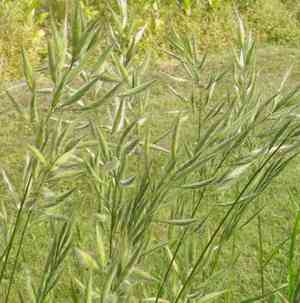
1
Mediterranean brome thrives in arid conditions, making it ideal for dry areas.
2
It effectively stabilizes soil, preventing its loss.
3
This plant serves as an excellent feed source for farm animals.
How Does Mediterranean brome Prevent Soil Erosion?
Robust Root System
The strong root network of Mediterranean brome plays a key role in stabilizing the soil. By intertwining with soil particles, its roots create a firming effect that reduces the likelihood of soil loss. This is especially useful in areas prone to wind and water erosion.
Effective Ground Cover
Providing good ground coverage, Mediterranean brome acts as a natural shield against erosive forces. Its thick foliage protects the soil surface from raindrop impact and lessens runoff, ensuring the topsoil stays in place.
What Makes Mediterranean brome a Drought-Tolerant Plant?
Adaptation to Arid Climates
Mediterranean brome has evolved to flourish in dry and semi-dry environments, making it an excellent choice for regions with limited water. Its capacity to endure long periods without rain ensures it stays green and productive even during droughts.
Water-Efficient Growth
The plant's unique physiological adaptations allow it to utilize water more effectively. This means Mediterranean brome can maintain its growth and development with minimal water needs, outperforming many other plant species in water-scarce settings.
How Does Mediterranean brome Benefit Livestock?
Nutritious Fodder
Mediterranean brome is highly valued as a rich source of feed for livestock. Its leaves and stems are packed with essential nutrients, offering a balanced diet that supports the health and development of grazing animals. Farmers can depend on Mediterranean brome as an economical and sustainable feed option.
Year-Round Availability
One of the notable advantages of Mediterranean brome is its availability throughout the year. Even in harsh weather, this plant continues to grow, providing a steady supply of fodder for livestock. This helps farmers sustain their herds without facing feed shortages.
How Does Mediterranean brome Support Biodiversity?
Habitat Creation
Mediterranean brome offers a natural habitat for various wildlife species. Its dense foliage provides shelter and protection, making it a vital part of the ecosystem. Birds, small mammals, and insects find refuge within its leaves, contributing to biodiversity preservation.
Pollinator Attraction
The blooms of Mediterranean brome draw in pollinators like bees and butterflies. By offering a reliable source of nectar, Mediterranean brome supports the activities of these crucial pollinators, which are essential for the reproduction of many plant species and the overall health of ecosystems.
How Can Mediterranean brome Be Incorporated into Sustainable Farming Practices?
Cover Cropping
Farmers can integrate Mediterranean brome into their crop rotation systems as a cover crop. Its ability to cover the soil and prevent erosion makes it an excellent choice for improving soil health. Additionally, using Mediterranean brome as a cover crop boosts soil organic matter, leading to increased fertility over time.
Reclamation of Degraded Lands
Mediterranean brome can be used in the restoration of degraded lands. Its resilient nature allows it to grow in poor soil conditions, gradually enhancing soil quality and creating a favorable environment for other plants to thrive. This process aids in land restoration and sustainable farming practices.



