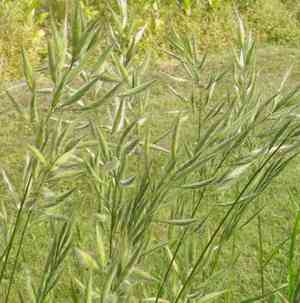
Mediterranean brome (Bromus lanceolatus)
Also known as: Lanceolate brome
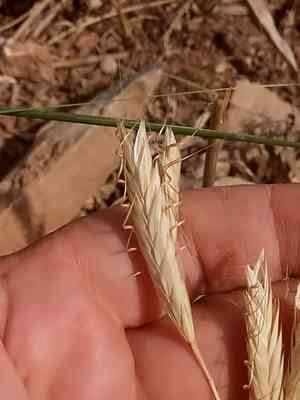
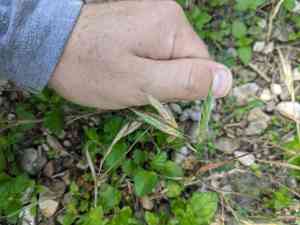
This annual plant stands out in its genus due to its ellipsoid panicle that is relatively compact. The spikelets range from 2 to 4 cm in length and can vary from smooth to hairy. Additionally, the lower glumes typically have 3 or 5 veins, while the upper glumes have 7 or 9 veins. The lemmas are 1 to 1.6 cm long, notched, and have edges measuring 1 to 1.7 cm.
In This Article
Attributes of Mediterranean brome
Lifespan
Annual
Plant Type
Grass
Plant Height
20 cm to 80 cm
Spread
N/A
Leaf Color
Green
Flower Size
2 cm to 9 cm
Flower Color
Yellow Purple Green Brown
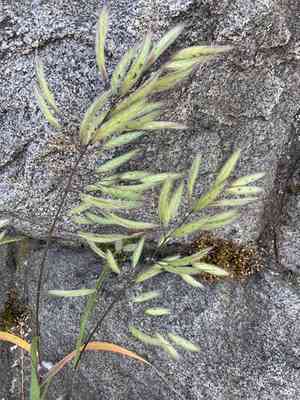
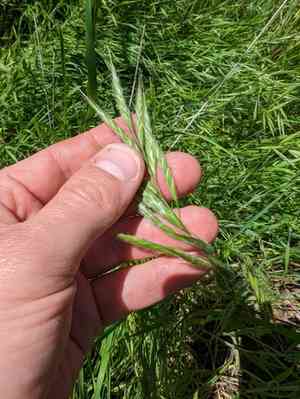
Images of Mediterranean brome
Quickly Identify Mediterranean brome
1
Bromus lanceolatus can be identified by its narrow, lance-shaped leaves and its loose, open panicle inflorescence. The spikelets are relatively large compared to other Bromus species, and the awns are prominent.
Scientific Classification of Mediterranean brome
Phylum
Vascular plants
Class
Monocotyledons
Order
Poales
Family
Grass
Genus
Bromes
Species
Mediterranean brome
Planting and Growing of Mediterranean brome
Care Difficulty
Easy
Watering Schedule
Every 2 days
Sunlight Requirements
Full sun
Sunshine Duration
6-10 hours
Ideal Temperature
50-77℉
Soil Type
Potting Mix, Peat Mix
Soil pH
6.5-7.5
Fertilizer Type
Balanced
Pruning Season
Spring, Summer
Pruning Area
Branches, Leaves
Pruning Frequency
2 times a year
Repotting Season
Spring
Pot Type
Plastic, Ceramic
 How to Water Mediterranean brome?
For Bromus lanceolatus, water the plant until the top 2 inches of soil feel moist. This generally translates to around 250ml per session, ensuring the water permeates the soil to reach the roots while avoiding stagnant water at the bottom of the pot.
What are the symptoms of an underwatered Mediterranean brome?
›
What should I do if my Mediterranean brome is not getting enough water?
›
What are the symptoms of an overwatered Mediterranean brome?
›
How to save an overwatered Mediterranean brome?
›
 What Are the Sunlight Requirements for Mediterranean brome?
Bromus lanceolatus thrives with exposure to full sun for 6-8 hours daily. Adequate light supports robust growth, vibrant leaves, and a resilient plant structure.
How much sunlight does Bromus lanceolatus need?
›
What is the best way to ensure Bromus lanceolatus gets enough light?
›
Why is proper lighting important for Bromus lanceolatus?
›
 What Is the Ideal Temperature Range for Mediterranean brome?
The ideal temperature range for Bromus lanceolatus is between 50°F and 77°F. These conditions optimize photosynthesis and nutrient uptake, promoting strong growth and healthy foliage. Maintaining temperatures within this range ensures the plant's metabolic processes function efficiently, reducing stress and susceptibility to disease.
 What Soil is Best for Mediterranean brome?
Bromus lanceolatus thrives well in well-drained soils, which prevent waterlogging. Proper drainage ensures that the root system remains healthy by avoiding root rot, ultimately promoting vigorous growth and lush foliage. This plant flourishes in soils rich in organic matter and nutrients. Such a nutrient-rich profile supports robust growth and aids in the development of vibrant foliage, making the plant resilient to stress and disease. While it can tolerate dry conditions, Bromus lanceolatus shows the best growth in soils with moderate moisture levels. Consistent moisture availability is crucial for its sustained growth, especially during the active growing seasons.
 How to Fertilize Mediterranean brome?
For Bromus lanceolatus, apply about 100 grams of balanced fertilizer per square meter during the growing season. This ensures adequate nutrient availability without overloading the soil. Ensure an even distribution across the soil to prevent concentration in one spot.
 How to Prune Mediterranean brome?
Ensure you prune Bromus lanceolatus during its active growth periods. Late spring or early summer are ideal times. Avoid pruning during the dormancy phase in winter. Never remove more than one-third of the plant at once. Excessive pruning can stress Bromus lanceolatus, reducing its ability to absorb enough nutrients and sunlight.
More About Pruning Techniques→
 How to Propagate Mediterranean brome plant?
1
To propagate by seeds, fill a seed tray with a seed-starting mix, sow seeds on the surface, cover them lightly, and ensure they receive sufficient light and moisture.
2
When using division in early spring or late autumn, prepare by watering the plant a day prior to division to ensure the roots are hydrated and easier to handle.
3
Plant divisions into well-prepared soil in the garden, ensuring the roots are in contact with soil. Water them thoroughly to help establish them in their new location.
 How to Repot Mediterranean brome plant?
1
The ideal time for repotting Bromus lanceolatus is when its roots become tightly bound within the pot, or if water starts pooling on the surface rather than quickly draining through. Spring or early summer is often favorable as the plant is entering its active growth phase, allowing it to adapt more swiftly to new conditions. Recognizing these signs avoids root decay and encourages robust growth.
2
Select a pot that is 2-3 inches larger in diameter than the current one. It should have ample drainage holes to prevent waterlogging, which Bromus lanceolatus dislikes. A pot made from a breathable material like terracotta is preferable as it aids in moisture regulation, ensuring the roots get enough oxygen. This choice also maintains the appropriate humidity levels within the soil.
3
Opt for well-draining, sandy soil mixed with some organic matter. The blend should be loose and airy to promote root expansion and oxygen circulation. Such a combination prevents water retention and compaction, reducing the risk of root rot. A little organic matter boosts nutrient availability, ensuring the plant gets a healthy start in its new pot.



