How to Prune Arctic brome?
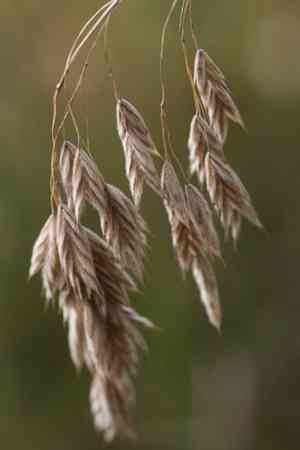
Arctic brome thrives in cooler environments, making it ideal for temperate zones. To preserve the plant's well-being and vitality, trim arctic brome during late winter or early spring, prior to the emergence of new shoots. Remove any withered or compromised stalks to encourage vigorous development. Consistent trimming helps manage its dimensions and fosters a compact form, boosting its aesthetic appeal. Proper pruning guarantees sufficient air circulation and light exposure, and can avert potential ailments, contributing to the plant's comprehensive growth.
Advantages of Trimming Arctic Brome
Advantages of Trimming Arctic Brome
Trimming arctic brome promotes robust development and helps maintain its desired form, resulting in a more vigorous and visually appealing plant.
Optimal Period for Pruning Arctic Brome
Optimal Period for Pruning Arctic Brome
Pruning arctic brome in late winter or early spring is ideal as this is typically the dormant phase for many perennial grasses, including arctic brome. During this time, the plant's growth is suspended, which minimizes stress and the risk of disease entering pruning cuts. Pruning before new growth begins ensures that arctic brome can channel its energy into producing fresh, healthy shoots as the season progresses. Furthermore, the absence of foliage makes it easier to discern the plant's structure and decide where to cut. Trimming at this stage also prevents the removal of developing flower stalks, which are crucial for arctic brome's reproduction and for providing ecological benefits to the surrounding environment.
Tools Required for Pruning Arctic Brome
Hand Pruners
Perfect for cutting individual grass blades and small clusters, ensuring precision without harming adjacent plants.
Grass Shears
Excellent for shaping and managing the growth of arctic brome, as they can easily cut through the fine foliage.
Scissors
Useful for snipping off dead or yellowed leaves, maintaining the plant's appearance without damage.
Small Serrated Knife
Helpful for dividing arctic brome clumps when it becomes necessary to control plant size or propagate.
Long-Handled Pruning Shears
Allow for reaching into dense patches of arctic brome without needing to bend down, improving accessibility and efficiency.
How to Prune Arctic Brome
Sanitize
Before pruning arctic brome, clean and disinfect all pruning tools with a solution of one part bleach to nine parts water to prevent the spread of disease.
Inspect
Carefully examine arctic brome for diseased and withered leaves, as these will be the primary focus for removal.
Cut Diseased Leaves
Using sharp, clean scissors or pruners, carefully snip off diseased leaves at their base where they meet the stem. Avoid tearing to minimize damage to the plant.
Cut Withered Leaves
Similarly, remove withered leaves from arctic brome by making clean cuts at their base to enhance plant health and aesthetics.
Disposal
Dispose of all removed plant material from arctic brome appropriately, preferably by placing it in a bag and removing it from the vicinity to prevent any potential spread of disease.
Common Pruning Errors with Arctic Brome
Over-pruning
Removing too much foliage can stress arctic brome and impede its growth. Gardeners should prune sparingly, taking care not to cut away more than one-third of the plant at a time.
Improper tool use
Using dull or dirty pruning tools can damage arctic brome's stems and lead to disease. It's important to use sharp, clean shears or scissors for a clean cut.
Neglecting to thin
Failing to thin out arctic brome can lead to poor air circulation and light penetration, which is detrimental to the health and vigor of the plant.
Pruning for size control
Attempting to significantly reduce the size of arctic brome through pruning is a mistake; it's a naturally tall grass and should be allowed to grow to its typical height.
Ignoring plant shape
Randomly cutting arctic brome without considering the natural form can lead to an unsightly appearance. Gardeners should aim to maintain the plant's natural shape while pruning.
Common Pruning Tips for Arctic Brome
Selective thinning
Prune arctic brome by selectively removing some of the older, larger stems to improve air circulation and light penetration, which will promote overall plant health and vitality.
Deadheading
While arctic brome typically does not flower profusely, removing any spent flower stalks can encourage a tidier appearance and may prevent unwanted self-seeding in garden environments.
Maintenance pruning
Regularly remove dead or damaged foliage from arctic brome to keep the plant looking neat and to prevent potential disease issues.
Pruning for rejuvenation
If arctic brome appears overcrowded or begins to show signs of decline, gardeners can rejuvenate the plant by cutting back a portion of the older growth to stimulate new, healthy shoots.
Practicing patience
Allow arctic brome to establish itself before performing any major pruning. This means waiting until the plant has a well-developed root system and several seasons of growth.



