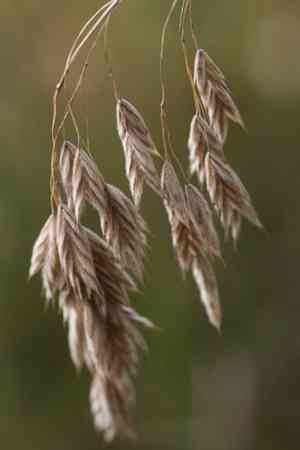
Arctic brome (Bromus kalmii)
Also known as: Kalm's Brome, Prairie Brome
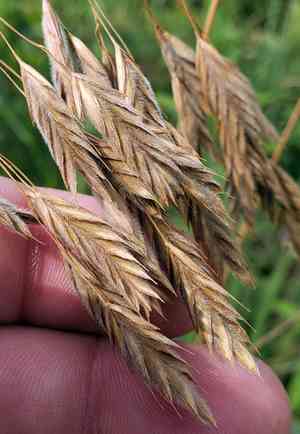
Arctic brome (Bromus pumpellianus) can be identified by its distinctive purplish spikelets, which set it apart from other grass species. Its erect, unbranched stems reach up to 1 meter tall, and the leaves are narrow, rough-textured, and bluish-green.
**Uses**:
- **Forage**: It serves as high-quality forage for livestock due to its nutritional content and palatability.
- **Erosion Control**: The grass is effective in stabilizing soils, making it useful for erosion control on vulnerable lands.
- **Habitat Restoration**: It is beneficial in land reclamation projects to restore disturbed areas, providing ground cover and reducing erosion.
- **Wildlife Support**: The seeds offer a food source for birds and other wildlife.
These characteristics and applications make Arctic brome a valuable species in northern climates and conservation efforts.
Attributes of Arctic brome
Images of Arctic brome
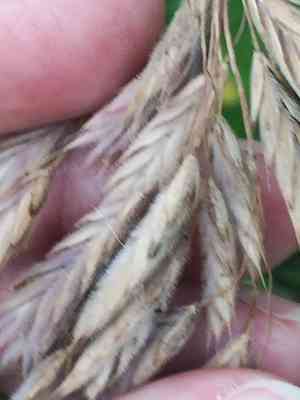
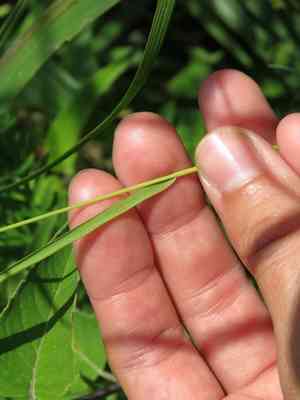
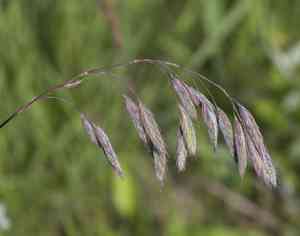
Quickly Identify Arctic brome
Scientific Classification of Arctic brome
Planting and Growing of Arctic brome
 How to Water Arctic brome?
 What Are the Sunlight Requirements for Arctic brome?
 What Is the Ideal Temperature Range for Arctic brome?
 What Soil is Best for Arctic brome?
 How to Fertilize Arctic brome?
 How to Prune Arctic brome?
 How to Propagate Arctic brome plant?
 How to Repot Arctic brome plant?
Toxicity
ingestion



