How to Prune Ramose false brome?
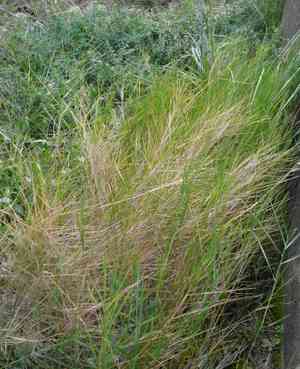
Ramose false brome is a hardy perennial grass featuring robust clumping habits and delicate, verdant leaves. Trim in early spring or winter to control its form and avert excessive expansion. Concentrate on excising lifeless, injured, or ailing stalks and reducing crowded sections to boost air movement and light exposure. Trimming during these intervals corresponds with ramose false brome's developmental rhythm, fostering vigorous regeneration. Consistent trimming can also lessen pest problems and elevate general well-being.
What Are the Benefits of Pruning Ramose False Brome?
What Are the Benefits of Pruning Ramose False Brome?
Trimming ramose false brome promotes vigorous development and maintains its form by eliminating dead or diseased stalks, stimulating new growth, and preventing congestion. This also enhances air circulation, lowering the chance of pests and illnesses. Regular trimming improves overall appearance and well-being.
What Is the Best Time for Pruning Ramose False Brome?
What Is the Best Time for Pruning Ramose False Brome?
Trimming ramose false brome in early spring or winter is ideal as it coincides with the plant's dormant period. During this time, ramose false brome is not actively growing, minimizing the risk of stress and harm. Furthermore, pruning before the new growth cycle begins ensures the plant can recover properly and direct its energy towards robust new growth. Pruning in these seasons also avoids disrupting the plant's blooming or fruiting phases, thereby preserving its health and decorative value.
What Tools Do I Need to Prune Ramose False Brome?
Hand Pruners
Perfect for small, precise cuts on ramose false brome, ensuring clean, healthy cuts on slender stems. Low maintenance and user-friendly.
Hedge Shears
Useful for trimming larger clusters of ramose false brome to maintain its shape and control its spread. Effective for cutting multiple stems simultaneously.
Pruning Saw
Necessary for any thicker or older stems of ramose false brome that cannot be easily cut with hand pruners or shears.
Gloves
Crucial for protecting hands from potential cuts or scratches while handling ramose false brome.
Sanitizing Solution
Important for cleaning tools before and after trimming ramose false brome to prevent the spread of diseases.
How to Prune Ramose False Brome
Identify and prepare
Examine ramose false brome to pinpoint diseased and withered leaves requiring pruning. Ensure your pruning tools are clean and sharp to prevent infection.
Target diseased leaves
Start by removing any diseased leaves. Cut at the base of the leaf stalk, making sure to eliminate the entire affected area to prevent disease spread.
Remove withered leaves
Next, trim away the withered leaves. Cut them back to the nearest healthy part of the plant to encourage new growth.
Clean up
Gather all trimmed plant material and dispose of it properly to avoid any potential spread of disease. Do not compost diseased plant parts.
Observe and maintain
Regularly monitor ramose false brome for any new signs of disease or wilting. Repeat the pruning process as needed to maintain plant health.
Common Pruning Mistakes with Ramose False Brome
Over-pruning
Removing too much foliage at once can stress ramose false brome, reducing its vigor and hindering growth.
Improper tools
Using dull or unsuitable tools can cause jagged cuts, increasing the risk of infection or disease.
Pruning at the wrong angles
Cutting stems at incorrect angles may lead to poor regrowth and increase susceptibility to environmental stressors.
Ignoring damaged parts
Failing to remove dead or diseased parts could spread infection to healthy areas of ramose false brome.
Uniform pruning
Applying a uniform pruning approach disregards the natural shape and growth patterns of ramose false brome, potentially causing aesthetic and growth issues.
Common Pruning Tips for Ramose False Brome
Use sharp, sterile tools
Always use clean, sharp pruning shears to make precise cuts and avoid the spread of disease.
Focus on damaged or diseased branches
Begin by removing any dead, damaged, or diseased sections to promote healthy growth and prevent the spread of pathogens.
Cut at a 45-degree angle
Make cuts at a 45-degree angle to facilitate water runoff and reduce the risk of rot and infection.
Thin selectively
Thin out the plant by cutting one-third of the oldest, weakest stems to the ground level to encourage new, robust growth.
Consider natural form
Prune in a manner that respects and enhances the natural shape of ramose false brome, ensuring it remains aesthetically pleasing and well-balanced.



