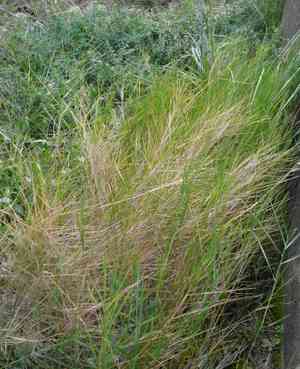
Ramose false brome (Brachypodium retusum)
Also known as: Purple False Brome, Serrated False Brome
Bromus ramosus, a perennial herbaceous bunchgrass, generally grows to a height of 1 to 2 meters. The leaves are elongated and often droop, measuring between 20 to 50 centimeters in length and 1 to 1.5 centimeters in width, with a fine hairy texture. The flower spike features an elegant arch, with hanging spikelets on long, slender stems arranged in pairs along the main stem.
In This Article
Attributes of Ramose false brome
Lifespan
Perennial
Plant Type
Grass
Plant Height
30-60 cm
Spread
20-40 cm
Leaf Color
Green
Flower Size
0.5-1 cm
Flower Color
Pale green to purple
Images of Ramose false brome
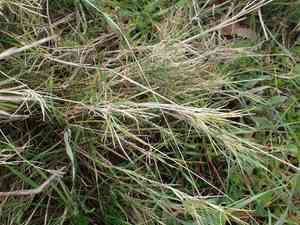
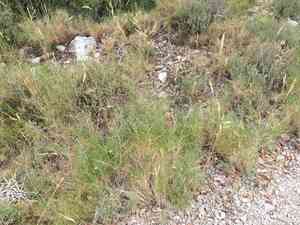
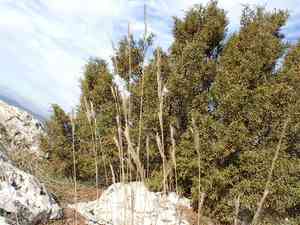
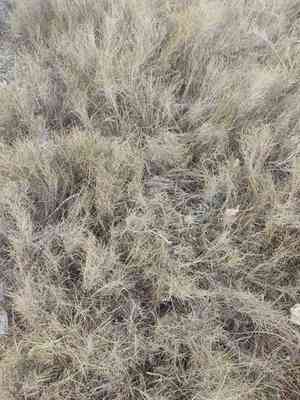
Quickly Identify Ramose false brome
1
To identify Brachypodium retusum, look for its stiff, wiry leaves and dense tufts. The leaves are typically serrated and the plant forms a compact, mat-like ground cover.
Scientific Classification of Ramose false brome
Phylum
Vascular plants
Class
Monocotyledons
Order
Poales
Family
Grass
Genus
False bromes
Species
Ramose false brome
Planting and Growing of Ramose false brome
Care Difficulty
Moderate
Watering Schedule
Every 2 days
Sunlight Requirements
Full sun
Sunshine Duration
6-10 hours
Ideal Temperature
59-77℉
Soil Type
Potting Mix, Peat Mix
Soil pH
6.5-7.5
Fertilizer Type
Balanced
Pruning Season
Spring, Summer
Pruning Area
Branches, Leaves
Pruning Frequency
2 times a year
Repotting Season
Spring
Pot Type
Plastic, Ceramic
 How to Water Ramose false brome?
For Brachypodium retusum, aim to water it so that the soil is moist but not soggy. This typically requires around 300 milliliters of water during each session. Always ensure that the top 2-3 cm of the soil is dry before watering again, as this plant is accustomed to slightly arid conditions.
What are the symptoms of an underwatered Ramose false brome?
›
What should I do if my Ramose false brome is not getting enough water?
›
What are the symptoms of an overwatered Ramose false brome?
›
How to save an overwatered Ramose false brome?
›
 What Are the Sunlight Requirements for Ramose false brome?
Brachypodium retusum thrives in partial to full sun, benefiting from about 5 to 7 hours of sunlight daily. This light range supports healthy foliage and robust growth, optimizing its photosynthetic capabilities.
What is the best lighting setup for Brachypodium retusum?
›
How can I adapt my garden to provide ideal lighting?
›
Why is ideal lighting important for Brachypodium retusum?
›
 What Is the Ideal Temperature Range for Ramose false brome?
The ideal temperature range for Brachypodium retusum is between 59°F and 77°F. Within this range, the plant can efficiently perform photosynthesis and maintain healthy growth. Maintaining temperatures within this range ensures robust development, reduced stress factors, and optimal physiological functions, promoting vibrant foliage and steady growth.
 What Soil is Best for Ramose false brome?
Brachypodium retusum thrives in well-drained soils that prevent waterlogging. This requirement ensures adequate aeration for roots, promoting healthier growth and preventing root rot. This plant prefers soils with low organic matter, typical of its natural sandy habitat. Minimal organic content helps mimic native conditions and supports the plant's natural growth processes. Brachypodium retusum requires moderate levels of nutrients, neither too rich nor too poor. Maintaining this balance helps sustain its robust growth and establishes a self-sufficient plant.
 How to Fertilize Ramose false brome?
For Brachypodium retusum, the recommended amount of fertilizer is generally moderate. A balanced liquid fertilizer diluted to half its strength is usually suitable. When using slow-release fertilizers, ensure that you spread them evenly across the soil surface. Excessive fertilizer can harm the plant, so always follow the manufacturer's instructions strictly regarding dosage and application.
 How to Prune Ramose false brome?
Start by cleaning your pruning tools to prevent the spread of disease. Gently untangle any intertwined stems to clearly see the base structure of Brachypodium retusum. Trim back dead or diseased stems to improve overall plant health. Target stems that look weak or are crossing over others, cutting them back to their base. Leave the more robust and upright stems to promote an attractive growth pattern. Always cut at a slight angle to encourage rainwater runoff.
More About Pruning Techniques→
 How to Propagate Ramose false brome plant?
1
Begin by collecting mature seeds from the plant. Clean the seeds to remove any debris and ensure they are free of disease. Seeds can be stratified if necessary to mimic natural winter conditions and improve germination rates.
2
Fill a prepared seed tray with a well-draining potting mix, and sow the seeds on the surface, covering them lightly with soil. Maintain consistent moisture and place the tray in a warm, well-lit area to promote germination.
3
Select healthy shoots from a mature plant, making a clean cut below a node using pruning shears. Ensure the cutting is at least 4-6 inches long and remove any excess leaves to reduce water loss during the rooting process.
 How to Repot Ramose false brome plant?
1
The ideal time to repot Brachypodium retusum is when you notice roots emerging from drainage holes or the plant has slowed its growth significantly. Additionally, if the soil has compacted or drains too slowly, it's time to consider repotting.
2
Select a pot that is slightly larger than the current one, with ample drainage holes to prevent water retention. A pot that is too large can lead to overwatering, while one that's too small can stunt the plant's growth due to limited space for root expansion.
3
A well-draining loam mix is ideal, enriched with a bit of organic matter to encourage healthy root development. This soil composition ensures proper moisture retention while allowing excess water to escape easily, preventing root rot.



