How to Propagate Ramose false brome?
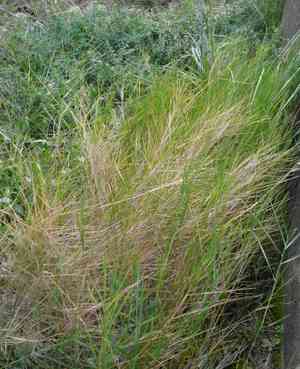
Originating from Mediterranean areas, ramose false brome flourishes in arid, stony ground and exhibits significant resistance to drought. For propagation, contemplate splitting, making sure to gently divide clusters and immediately re-establish them in soil that drains effectively. Sufficient irrigation after division aids in root formation. Due to its hardiness and versatility, ramose false brome is perfect for water-wise landscaping and preventing soil erosion. Comprehending its cultivation requirements and propagation methods guarantees robust plant growth.
Optimal Time for Ramose False Brome Propagation
Propagation Method
Division
Propagation Period
Spring,Autumn
Tools Utilized in Ramose False Brome Propagation
Sharp Spade
A keen-edged spade is vital for dividing ramose false brome. It enables precise cuts through the root system, minimizing harm and ensuring robust divisions. The tool's sharp blade guarantees accurate separation and lessens plant stress.
Garden Fork
A garden fork serves to gently lift and separate ramose false brome clumps from the earth. Employing a fork instead of a spade reduces root damage, facilitating the extraction of intact root systems for successful transplanting.
Pruning Shears
Pruning shears are essential for trimming any damaged or dead foliage from ramose false brome post-division. This prevents illness and promotes vigorous growth by allowing the plant to direct energy towards new growth rather than repairing old or compromised parts.
Root Knife
A root knife is advantageous for more intricate cuts and separations within dense root masses. This specialized instrument offers enhanced control and precision, which is crucial for the successful division of ramose false brome.
Compost or Organic Fertilizer
Applying compost or organic fertilizer to the newly divided ramose false brome helps enrich the soil, supplying vital nutrients that support root establishment and overall plant health during the critical initial stages after division.
Watering Can with Fine Rose
Utilizing a watering can with a fine rose ensures a gentle, uniform distribution of water to the newly propagated ramose false brome. This prevents soil displacement and safeguards delicate roots, maintaining optimal moisture levels for successful establishment.
Plant Labels
Plant labels are important for tracking the various divisions of ramose false brome. Labeling aids in maintaining organization and allows for monitoring the progress of each new plant, ensuring proper care and management.
Protective Gloves
Protective gloves shield the gardener's hands while handling ramose false brome. They prevent cuts and offer a better grip, ensuring safety and accuracy during the division process.
How to Propagate Ramose False Brome?
Propagation Type
Easy
Post-Propagation Care for Ramose False Brome
Post-Propagation Care for Ramose False Brome
Following propagation, ramose false brome needs consistent watering to maintain soil moisture during its establishment phase, with frequency decreasing as plants mature. Ensure planting in well-draining soil to prevent waterlogging. Mulching around the base can help retain moisture and suppress weeds. Periodically check for pests and remove any dead or damaged foliage to encourage healthy growth. Fertilization is generally not required, as ramose false brome thrives in low-nutrient soils.
Common Errors to Avoid When Propagating Ramose False Brome
Overwatering
Excessive moisture can lead to root decay and fungal infections, hindering the plant's ability to establish and flourish.
Incorrect Soil Selection
Using dense or clay-rich soils can impede drainage and aeration, which are vital for root development.
Deep Planting
Planting seeds or cuttings too deeply can prevent proper germination and establishment.
Neglecting Sunlight
Insufficient sunlight can hinder growth and diminish the plant's overall vitality.
Lack of Maintenance
Failing to regularly check for pests or diseases can result in infestations that may impede growth and increase mortality.
Tips For Propagating Ramose False Brome
Adequate Watering
Ensure the soil remains moist but not saturated to prevent root diseases.
Proper Soil Mix
Use well-draining, sandy or loamy soils to facilitate good root establishment and growth.
Correct Planting Depth
Plant seeds or cuttings just beneath the soil surface, lightly covered to promote successful germination.
Light Exposure
Provide ample sunlight, ideally full sun, to ensure robust growth and development.
Regular Monitoring
Regularly inspect ramose false brome for signs of pests or diseases and address issues promptly to maintain plant health.



