How to Prune Para grass?
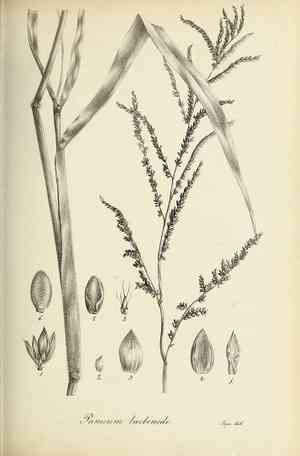
Para grass, a perennial tropical grass, flourishes in moist conditions and quickly establishes thick coverings. Trim by severing stalks to several inches above the soil surface, which stimulates new development and curbs its invasive tendencies. This task is ideally performed in early spring or during winter dormancy. Trimming helps prevent diseases by enhancing air movement and diminishes areas where pests can reside. Regular cutting controls its dimensions, fosters tillering, and elevates the nutritional value of fodder for grazing animals.
What Are the Benefits of Pruning Para Grass?
What Are the Benefits of Pruning Para Grass?
Trimming para grass promotes robust development and maintains its desired form, crucial for both visual appeal and the plant's well-being, facilitating light penetration and improved air movement.
What Is the Best Time for Pruning Para Grass?
What Is the Best Time for Pruning Para Grass?
Pruning in early spring is ideal for para grass as it's about to enter its rapid growth phase following winter dormancy. Trimming at this time encourages healthy new shoots and helps maintain the plant's desired shape and size, contributing to its vigor and productivity. Winter pruning, while the plant is dormant, is also beneficial as it minimizes stress on para grass. This timing allows for the removal of any dead or diseased material, thus optimizing plant health and preparing it for robust spring growth. These seasons are chosen to prevent interrupting the growth cycle during peak growing months and to capitalize on the plant's natural dormancy for recovery.
What Tools Do I Need to Prune Para Grass?
Grass Shears
These cutting implements are designed for precise trimming and shaping of turf and delicate plants. Para grass is a variety of grass that can become thick, hence the need for shears that can provide a clean cut without harming adjacent growth.
String Trimmer
Also known as a weed wacker, a string trimmer is effective for quickly cutting back large areas of para grass. Its ability to cover a wide area rapidly makes it ideal for maintaining the overall length and health of the grass.
Pruning Saw
For more mature and thicker parts of para grass that have developed woody stems, a pruning saw allows for the cutting of these tougher sections with more control compared to powered trimmers.
Hedge Clippers
Manual hedge clippers can be used for detailed shaping or to tackle smaller patches of para grass, offering more precision than a string trimmer for refining the grass's appearance.
Lawn Mower
If para grass is being used in a lawn setting, a lawn mower might be necessary to keep it at a desired, uniform height. The mower can manage larger spaces efficiently.
How to Prune Para Grass
Identify
Examine para grass thoroughly to detect the presence of diseased and withered leaves. Look for any discoloration, spots, or signs of decay that indicate dead or unhealthy tissue in need of removal.
Disinfect
Before cutting, sanitize your pruning tools with a solution of 1 part bleach to 9 parts water to prevent the spread of disease. Ensure tools are sharp to make clean cuts without tearing para grass's leaves.
Remove Diseased
Trim all diseased leaves from para grass by cutting at the base of the leaf stem, close to the main plant. Take care not to damage new growth or neighboring healthy leaves.
Remove Withered
Cut away withered leaves from para grass using the same approach, cutting at the base of the leaf stem. This helps to promote healthy growth and improves airflow, which can prevent fungal diseases.
Clean Up
After pruning, clear away all removed plant material from around para grass to prevent the potential spread of disease. Dispose of or compost the diseased and withered leaves appropriately.
Common Pruning Mistakes with Para Grass
Over-Pruning
Removing too much foliage from para grass can shock the plant, inhibit growth, and reduce its vigor. Aim to only remove what's necessary.
Pruning Too Close
Cutting too close to the main stems or 'crown' of para grass can damage the plant. Leave a small buffer to prevent harming the plant's central growing point.
Tearing Stems
Using dull or inappropriate tools can result in jagged cuts that tear the stems of para grass, making the plant susceptible to pests and diseases.
Pruning Diseased Areas Last
Pruning healthy parts of para grass after cutting through diseased sections can spread pathogens. It's essential to disinfect tools between cuts if disease is present.
Ignoring Plant Structure
Random cuts without considering the natural shape and growth pattern of para grass can lead to uneven growth and weaken the plant structure.
Common Pruning Tips for Para Grass
Clean Cuts
Use sharp, clean tools to make precise cuts on para grass, which helps promote faster healing and reduces the risk of disease.
Thinning Out
Thin out dense areas to improve air circulation within para grass, reducing the likelihood of fungal infections and encouraging more robust growth.
Promoting New Growth
Encourage bushier growth by judiciously snipping the tips of para grass, which stimulates new shoots to form.
Removing Dead Material
Regularly remove dead or yellowing leaves and stems from para grass to redirect the plant's energy towards producing healthy growth.
Consistent Maintenance
Perform light, regular pruning on para grass rather than drastic, infrequent cuts to maintain plant health and appearance.



