How to Propagate Para grass?
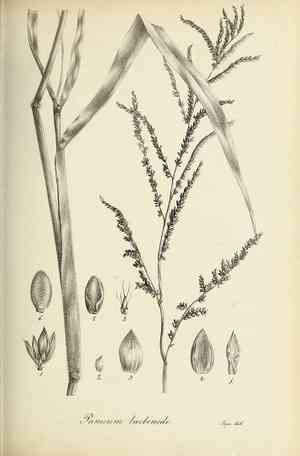
Para grass flourishes in temperate regions and is recognized for its vigorous development and capacity to adjust to humid surroundings. Individuals aiming to multiply para grass will achieve positive results through separation, an uncomplicated technique highly suitable for this variety. For propagation, merely separate the root masses during the phase of active development, making certain each segment possesses a part of the root system and emerging shoots. Promptly re-establish these sections in damp, nutrient-rich earth, supplying them with sufficient hydration to become rooted. Given proper attention, the separated portions will rapidly establish, facilitating the effective spread of para grass.
Optimal Time for Para Grass Propagation
Propagation Method
Division
Propagation Period
Spring,Autumn
Tools for Para Grass Propagation
Garden Spade
A sturdy garden spade is vital for dividing para grass. Its sharp, flat blade helps dig around the plant cleanly and efficiently, allowing for easier removal from the ground with minimal root damage. This tool is essential for splitting the root mass into smaller sections, ensuring each division has sufficient roots to thrive when replanted.
Pruning Shears
Sharp pruning shears aid in preparing para grass for division by trimming excess foliage and roots. This facilitates easier handling and reduces the energy the plant expends on maintaining unnecessary parts, directing more resources to root and shoot development after transplant. Clean cuts help prevent infection and promote quicker healing and recovery.
Rooting Hormone
Though not a traditional tool, rooting hormone powder can significantly boost the success rate of para grass propagation. Applying this hormone to the cut root areas during division stimulates root growth and helps the divided sections of para grass establish more quickly in new environments.
Watering Can with Fine Rose
A watering can with a fine rose attachment provides gentle irrigation that does not disturb the soil or newly planted para grass divisions. Consistent and delicate watering is crucial for the initial stages of root establishment, ensuring the soil remains evenly moist without causing erosion or displacing tender roots.
Gardening Gloves
Wearing gardening gloves during the para grass propagation process protects hands from soil, sharp edges, and potential irritants. They also provide a more secure grip on tools and plants, enhancing safety and efficiency during the division process.
How to Propagate Para Grass?
Propagation Type
Easy
Caring for Newly Propagated Para Grass
Caring for Newly Propagated Para Grass
After propagating para grass, consistent watering is essential, especially during hot and dry periods, as the plant thrives in moist conditions. Lightly fertilize with a balanced fertilizer during the growing season to encourage healthy growth. Regularly check the area for standing water to prevent rot and disease. Routine trimming will control its vigorous growth and help maintain your desired landscape aesthetics.
Common Mistakes to Avoid When Propagating Para Grass
Overwatering during establishment
Excessive moisture can lead to root rot and fungal infections, which can severely impact para grass growth. While para grass thrives in moist conditions, it's crucial to regulate water levels to prevent excessive saturation of the root zone.
Inadequate sun exposure
Para grass requires ample sunlight to establish and spread effectively. Insufficient light can stunt growth, reduce vigor, and affect the plant's overall health.
Planting in inappropriate soil types
Para grass adapts to many soil types, but planting it in extremely sandy or heavy clay soils can hinder root development and nutrient uptake, compromising its growth and propagation.
Tips For Propagating Para Grass
Use healthy parent plants
Select robust and disease-free parent plants for propagation to ensure the best start for new para grass plants. Healthy parent material significantly increases the chances of successful propagation.
Proper spacing
When planting para grass, ensure adequate spacing to allow for air circulation and growth expansion. Overcrowding can lead to competition for nutrients and environmental stresses, which can impact the health and productivity of para grass.
Regular monitoring and maintenance
Regularly check para grass plants for signs of pests, diseases, or nutrient deficiencies. Early detection and treatment can prevent spread and maintain the vigor of para grass, ensuring successful establishment and growth.



