How to Prune Senegal boscia?
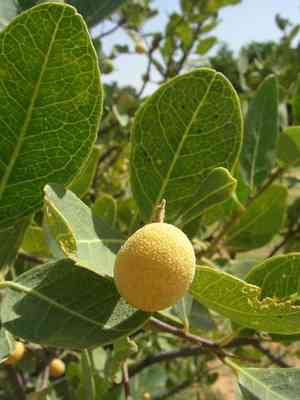
This resilient shrub, originating from dry climates, needs infrequent trimming to preserve its form and stimulate fruit production. Essential methods involve reducing older limbs and eliminating lifeless or ailing timber. The most effective time for pruning is in winter, during its inactive phase, to lessen strain and prevent sap leakage. Trimming senegal boscia enhances air movement and light exposure, which are crucial for its yield and well-being.
What Are the Benefits of Pruning Senegal Boscia?
What Are the Benefits of Pruning Senegal Boscia?
Trimming senegal boscia promotes robust development and helps maintain its desired shape, ensuring the plant's optimal health and visual appeal.
What Is the Best Time for Pruning Senegal Boscia?
What Is the Best Time for Pruning Senegal Boscia?
Trimming senegal boscia in late winter supports its natural cycle by removing dead or diseased wood when it's most inactive and least susceptible to pruning stress. This reduces the risk of infection or pest issues. Additionally, the plant's energy is preserved for strong spring growth, and cuts are more likely to heal quickly as new growth begins. It also allows for better shaping due to clearer visibility without foliage. Pruning before spring also ensures that any upcoming flowers or fruits benefit from the plant's redirected energy into producing new, healthy growth.
What Tools Do I Need to Prune Senegal Boscia?
Hand Pruners
For senegal boscia's smaller branches and general shaping, hand pruners or secateurs are appropriate. They deliver clean cuts without harming the smaller branches and young plants.
Lopping Shears
Senegal boscia may develop thicker branches as it matures. Lopping shears feature long handles and sturdy blades, ideal for cutting branches over half an inch thick, which might be too large for hand pruners.
Pruning Saw
When senegal boscia has matured and grown branches with a diameter exceeding what lopping shears can handle, a pruning saw becomes essential. A saw with coarse teeth is perfect for cleanly cutting large branches, preventing tearing and allowing the plant to heal properly.
Pole Pruner
To reach higher branches of senegal boscia without needing a ladder, a pole pruner with a saw attachment enables safe and effective trimming from the ground.
Gloves and Safety Goggles
Personal protection with durable gloves and safety goggles is crucial, especially when working with senegal boscia, to shield hands and eyes from thorns and debris.
How to Prune Senegal Boscia
Identify
Thoroughly examine senegal boscia to pinpoint dead or diseased branches. Look for broken branches, unusual growth, discoloration, or signs of pest infestation.
Disinfect
Clean and sanitize your pruning tools to prevent disease transmission. Use a solution of 1 part bleach to 9 parts water or rubbing alcohol to wipe the blades before and after use.
Cut
Make precise cuts using sharp, appropriately sized pruning tools. Cut dead branches back to their origin point or to a healthy lateral branch. For diseased branches, cut at least several inches below the affected area.
Wound care
After removing dead or diseased branches, apply wound dressing or tree sealant to large cuts to protect senegal boscia from pests and diseases.
Clean up
Dispose of all removed branches and debris away from senegal boscia to prevent the potential spread of pests or diseases. Sterilize your pruning tools again at the end of the process.
Common Pruning Mistakes with Senegal Boscia
Over-pruning
Removing too much foliage at once can stress senegal boscia, leading to poor growth and reduced vitality.
Improper cut locations
Making cuts too far from a bud or node can result in dead ends, while cutting too close can harm the bud.
Using unclean tools
Pruning senegal boscia with dirty tools can spread diseases to the plant.
Tearing bark
Ripping or tearing the bark during pruning can create entry points for pests and diseases to enter senegal boscia.
Ignoring disease signs
Failing to remove diseased or pest-infested branches can lead to further infestation in senegal boscia.
Common Pruning Tips for Senegal Boscia
Clean tools
Use sterile, sharp pruning shears to prevent disease spread and make clean cuts on senegal boscia.
Diagonal cuts
Make diagonal cuts above buds or branches to avoid water accumulation, which can lead to rot or disease in senegal boscia.
Prune dead material
Regularly remove dead or damaged branches from senegal boscia to encourage healthy growth and improve airflow.
Thin crowded areas
Thin out crowded areas to increase light penetration and airflow, which can help prevent disease in senegal boscia.
Maintain plant structure
Focus on maintaining the natural shape of senegal boscia when pruning, which supports the plant's health and aesthetic appeal.



