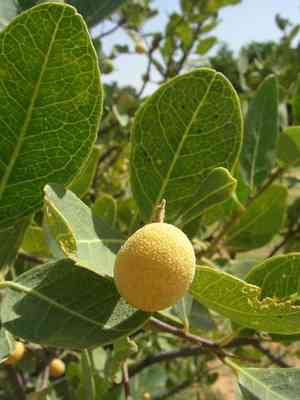
Senegal boscia(Boscia senegalensis)

Senegal boscia (Boscia senegalensis)

Also known as: Hanzo, Dungole, Yadi, Mandiaroo

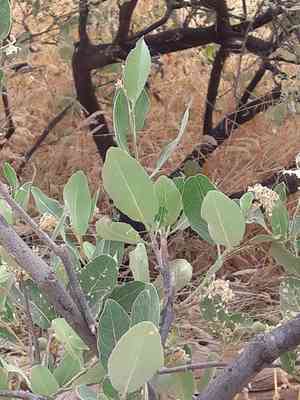
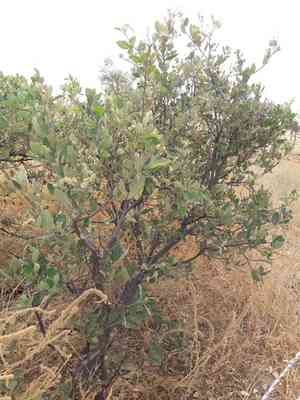
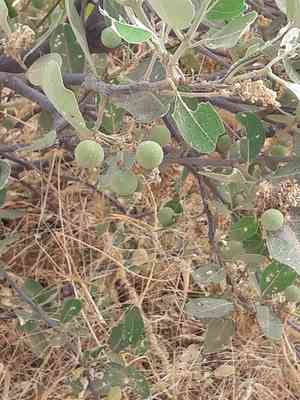
Boscia senegalensis, often referred to as hanza, is an important plant native to the Sahel region of Africa. Known for its resilience to drought, this evergreen shrub typically grows between 2 to 4 meters in height. It produces small, yellow, spherical berries that are rich in nutrients and serve as a crucial food source, especially during periods of food scarcity. Beyond its nutritional value, Boscia senegalensis is also used in traditional medicine and provides materials for various household and agricultural purposes. Its multiple uses make it essential for enhancing food security, supporting rural development, and promoting sustainable land management in the region. Local names for the plant include aizen, mukheit, and bere, among others.

Attributes of Senegal boscia

Lifespan
Perennial
Plant Type
Tree
Plant Height
2 m to 4 m
Spread
2-4 meters
Leaf Color
Green
Flower Size
0.5 centimeters
Flower Color
Green

ForwardPlant - Identify plants with a snap

Identify and diagnose plants, get toxicity alerts, and explore safety guides for all types of fungi.

Try for Free

Images of Senegal boscia

Senegal boscia(Boscia senegalensis)

Quickly Identify Senegal boscia

1
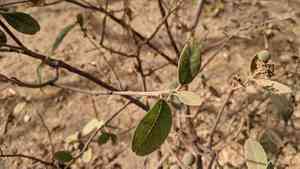
Boscia senegalensis can be identified by its small, rounded leaves that are leathery and dark green. The plant often has thorny branches and produces small, spherical yellow-green flowers.

Scientific Classification of Senegal boscia

Phylum
Vascular plants
Class
Dicotyledons
Order
Brassicales
Family
Capers
Genus
Boscia
Species
Senegal boscia

Planting and Growing of Senegal boscia

Care Difficulty
Easy
Watering Schedule
Every 2 days
Sunlight Requirements
Full sun
Sunshine Duration
4-8 hours
Ideal Temperature
86-104℉
Soil Type
Potting Mix, Peat Mix
Soil pH
6.5-7.5
Fertilizer Type
Balanced
Pruning Season
Spring, Summer
Pruning Area
Branches, Leaves
Pruning Frequency
2 times a year
Repotting Season
Spring
Pot Type
Plastic, Ceramic

water icon How to Water Senegal boscia?

Boscia senegalensis, known for its resilience in arid climates, requires moderate watering. Ensure the soil is soaked to a depth of about 2 inches to reach root level, allowing excess water to drain away to prevent root rot.
What are the symptoms of an underwatered Senegal boscia? ›
What should I do if my Senegal boscia is not getting enough water? ›
What are the symptoms of an overwatered Senegal boscia? ›
How to save an overwatered Senegal boscia? ›

sunlight icon What Are the Sunlight Requirements for Senegal boscia?

Sunlight Requirements: Full sun
Duration of light: 6 to 8 hours
Full sun is ideal as it allows Boscia senegalensis to photosynthesize efficiently, increasing growth and improving resilience against environmental stressors like drought.
What is the optimal light for Boscia senegalensis? ›
How can I ensure Boscia senegalensis gets the ideal light? ›
What benefits does ideal lighting provide to Boscia senegalensis? ›

temperature icon What Is the Ideal Temperature Range for Senegal boscia?

Ideal Temperature: 86 ~ 104℉
The ideal temperature range for Boscia senegalensis is between 86°F and 104°F. These temperatures closely mimic its native environment, providing optimal conditions for its metabolic processes and growth. Conserving heat in this range ensures that the plant can efficiently photosynthesize and sustain its growth.

soil icon What Soil is Best for Senegal boscia?

Soil type: Sandy soil, Loam, Calcareous soil
Soil PH: 6.5 ~ 7.5
Boscia senegalensis thrives in well-drained soils, which prevent root rot and help keep the plant healthy. The ability to drain excess water quickly is crucial to avoid waterlogging, which can be detrimental to the plant. A soil rich in organic matter supports healthy growth by providing essential nutrients required for the vigorous development of Boscia senegalensis. It is imperative for robust leaf and stem production. Although it's drought-tolerant, Boscia senegalensis benefits from soils that retain moderate moisture, facilitating sustained growth. However, this balance should not err towards waterlogging.

fertilize icon How to Fertilize Senegal boscia?

Fertilizer type: Balanced
Typically, Boscia senegalensis requires moderate amounts of fertilizer. For liquid fertilizer, apply about 10 ml per liter of water every two weeks. For solid fertilizer, use approximately 50-100 grams per application around the base of the plant.

prune icon How to Prune Senegal boscia?

Pruning Time: Spring, Summer
Begin by identifying dead, diseased, or damaged branches. Cut these off at a 45-degree angle, just above a healthy bud. This angle encourages efficient healing and discourages water from collecting on the cut surface. After removing problem branches, shape the plant by trimming overgrown shoots. Focus on maintaining a balanced structure, ensuring that sunlight can reach the plant's interior. More About Pruning Techniques→

propagate icon How to Propagate Senegal boscia plant?

Propagate Time: Early spring, Late spring
1
Ensure you prepare a well-draining soil mix that is slightly acidic. This will create an ideal environment for seed germination and root development, ensuring the growth of healthy plants.
2
Distribute the seeds evenly across the surface of the soil in the seed tray. Gently pat the seeds into the soil and mist the surface to keep it consistently moist, which is crucial for germination.
3
Choose a healthy branch and cut a section that is about 6 inches long. Remove the lower leaves and dip the cut end into rooting hormone to encourage root development before planting in soil.

repot icon How to Repot Senegal boscia plant?

Repotting frequency: Every 2-3 years
1
Boscia senegalensis needs repotting when roots start encircling the pot or protruding out from the drainage holes. It's also critical to repot when the soil becomes overly compacted, limiting proper drainage and air circulation.
2
Select a pot that is one size larger than the current one. Ensure it has drainage holes to prevent water stagnation. This helps in reducing the risk of root rot and provides room for the roots to grow comfortably.
3
Opt for a well-draining sandy mix that mimics its natural habitat. The right soil facilitates proper drainage, reduces waterlogging risks, and provides the nutrients necessary for the plant's health.

ForwardPlant - Identify plants with a snap

Find the best spots for them to optimize their health, simply using your phone.

Try for Free