How to Overwinter Senegal boscia
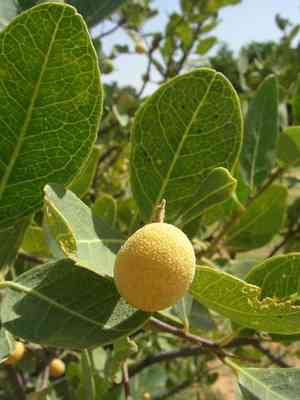
1
The Senegal boscia is susceptible to frost and will not endure freezing conditions.
2
Keep indoor temperatures between 18°C and 24°C (65°F and 75°F) in winter for best development.
3
Checking and cleaning your plant prior to moving it inside can help avoid pest issues.
Why Senegal boscia is Susceptible to Frost
Why Senegal boscia is Susceptible to Frost
Hailing from Africa's warm regions, the Senegal boscia is sensitive to cold. Its inability to endure freezing temperatures necessitates specific care when the weather cools. The plant's cell structure isn't equipped to withstand ice formation, leading to cellular damage and potential demise if exposed to frost.
Preparing Senegal boscia for Winter Storage
Examining Your Plant
Prior to the initial frost, thoroughly examine your Senegal boscia. Look for indications of pests like aphids or spider mites. Remove any affected foliage or stems and treat the plant with a suitable insecticide to prevent bringing pests indoors.
Trimming Methods
Trim back any dead or damaged leaves and stems. This not only makes the plant more manageable but also aids in energy conservation during the overwintering period. Utilize clean, sharp pruners for precise cuts, encouraging healthier new growth in spring.
Repotting Requirements
Re-pot your Senegal boscia if it has outgrown its current container. Select a pot that is slightly larger with adequate drainage holes. Employ a well-draining potting mix to avert root rot. Repotting ensures the plant has ample space to grow and minimizes the risk of root-bound problems.
Optimal Indoor Conditions for Senegal boscia
Temperature Needs
Maintain indoor temperatures between 18°C and 24°C (65°F and 75°F). Avoid positioning the plant near drafts, heaters, or cold windowsills during winter, as these conditions can stress the plant and impede its development.
Humidity Levels
The Senegal boscia prefers moderate humidity. Aim for humidity levels between 40-60%. Use a humidifier if necessary, especially in arid indoor environments. Alternatively, placing a water tray near the plant can help maintain humidity.
Lighting Conditions
Provide bright, indirect illumination for your Senegal boscia. A south-facing window is ideal, but avoid direct sunlight as it can scorch the leaves. During shorter winter days, consider using a grow light to supplement natural light and ensure the plant receives at least 6-8 hours of light daily.
Watering Schedule
Water the plant moderately, allowing the top 2.5-5 cm (1-2 inches) of soil to dry out between waterings. Excessive watering can lead to root rot, so ensure the pot has sufficient drainage. Reduce watering frequency slightly during the winter months as the plant's growth slows.
Common Overwintering Challenges and Solutions
How to Manage Pests
Even with careful inspection, pests may still appear indoors. If you observe pests, isolate the plant immediately and treat it with insecticidal soap or neem oil. Regularly check the plant to detect infestations early.
Addressing Dry Leaves
Indoor air can be dry, particularly in winter. If you notice dry or brittle leaves, increase humidity around the plant and ensure it's not positioned near heat sources. Misting the leaves with water can also help, but do this sparingly to prevent mold.
Preventing Root Rot
To prevent root rot, ensure the pot has proper drainage and avoid overwatering. Use a well-draining soil mix and let the soil dry out slightly between waterings. If you suspect root rot, inspect the roots and trim away any mushy or decayed parts before repotting.



