How to Prune Drummond's rockcress?
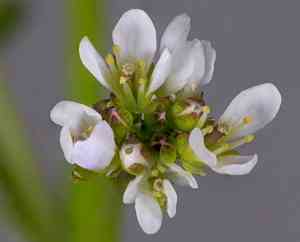
A resilient perennial known for its vigorous development in stony habitats, drummond's rockcress greatly benefits from deliberate trimming. Perform pruning in spring subsequent to blooming to foster thicker leaves and in autumn to preserve its form and well-being. Summer trimming guarantees peak growth by eliminating any frail or lifeless stalks. Consistent pruning improves air movement and light exposure, crucial for drummond's rockcress's strength. Concentrate on shaping, managing its dimensions, and revitalizing mature specimens to stimulate fresh development, ensuring its prosperity throughout its tough environments.
What Are the Benefits of Pruning Drummond's Rockcress?
What Are the Benefits of Pruning Drummond's Rockcress?
Trimming drummond's rockcress promotes robust development and maintains a compact, attractive form. Regular cutting helps stimulate new growth, ensuring the plant stays healthy and appealing.
What Is the Best Time for Pruning Drummond's Rockcress?
What Is the Best Time for Pruning Drummond's Rockcress?
Pruning drummond's rockcress in spring coincides with its post-dormancy growth surge, allowing the plant to recover quickly and produce new growth effectively. Summer pruning is advantageous as it aids in reshaping the plant and managing its size during active growth. Additionally, removing faded flowers in summer can foster a healthier plant structure and potentially encourage more blooms. Autumn pruning should be restricted to eliminating dead or diseased branches, preparing drummond's rockcress for winter by lessening the strain on its structural integrity and minimizing disease spread.
What Tools Do I Need to Prune Drummond's Rockcress?
Hand Pruners
Perfect for making clean cuts on drummond's rockcress's thinner stems or for deadheading. Since drummond's rockcress typically lacks very thick or tough stems, a standard pair of bypass pruners is sufficient. These pruners create a precise cut that aids in rapid healing of the trimmed areas.
Gardening Scissors
Useful for precise trimming of drummond's rockcress. They offer greater control when thinning or shaping the plant without harming surrounding foliage. Gardening scissors are especially good for reaching tight spots within the clusters.
Pruning Saw
Suitable for removing any old, thick stems that might develop over several seasons, though drummond's rockcress's growth habit usually doesn't require a heavy tool. If there are older, woodier stems, a small pruning saw can simplify the task without causing undue stress to the plant.
How to Prune Drummond's Rockcress
Sanitation
Start by sterilizing all pruning tools. Use a solution of 1 part bleach to 9 parts water or rubbing alcohol to ensure the tools are clean. This prevents the spread of disease to healthy parts of drummond's rockcress.
Identification
Carefully examine drummond's rockcress for the specific parts that require removal. Identify all diseased leaves, withered leaves, dead branches, and diseased branches.
Removal of leaves
Using your sanitized pruning shears, gently snip off the diseased and withered leaves. Make sure to cut at the base of each leaf, close to the stem, to encourage healthier growth and prevent further damage.
Removal of branches
Prune dead and diseased branches by making clean cuts at the base of each branch, close to the main stem or to the next healthy branch node. Avoid leaving stubs as they can lead to pest infestation or disease.
Cleanup
Dispose of all removed material (diseased leaves, withered leaves, dead branches, diseased branches) away from drummond's rockcress to prevent the spread of any pathogens. Do not compost as diseases might spread in the compost.
Common Pruning Mistakes with Drummond's Rockcress
Overpruning
Removing too much foliage from drummond's rockcress can significantly reduce its vitality. This practice often weakens the plant, making it less able to thrive and more susceptible to diseases. It's essential not to remove more than one-third of the plant's total foliage during a single pruning session.
Improper cut locations
Cuts made on the wrong part of drummond's rockcress's stem can hinder proper healing and growth. Cutting too far from a bud, or into the old, woody growth that doesn't produce new shoots, can prevent drummond's rockcress from flourishing optimally.
Inadequate tool maintenance
Using dull or unclean pruning tools can damage drummond's rockcress's stems, leaving jagged cuts that invite pests and diseases. Properly maintained, sharp, and clean tools are crucial for making clean cuts that heal quickly.
Ignoring plant shape
Failing to consider the natural shape and growth habit of drummond's rockcress when pruning can result in a less aesthetically pleasing appearance and can negatively impact its overall health and bloom production.
Common Pruning Tips for Drummond's Rockcress
Selective pruning
Focus on removing only the dead, diseased, or damaged stems to maintain the health and aesthetic of drummond's rockcress. This selective approach helps in preserving the plantâs natural shape and vigor.
Cutting technique
Make cuts at a 45-degree angle about 1/4 inch above an outward-facing bud. This technique encourages outward growth, improving air circulation and light penetration within drummond's rockcress, which is crucial for its development and bloom.
Timing of cuts
While the exact timing has been excluded, it's crucial to understand that the timing should align closely with the plantâs life cycle. Pruning at the wrong stage in its growth cycle can impede its flowering and growth.
Aftercare following pruning
Post-pruning, ensure drummond's rockcress is well-watered and, if necessary, apply a balanced, slow-release fertilizer to support its recovery and vigor. Adequate aftercare boosts the resilience and health of drummond's rockcress significantly.



