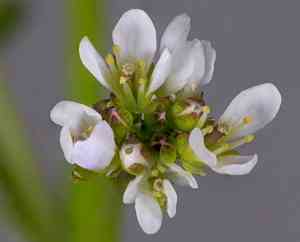
Drummond's rockcress (Boechera stricta)
Also known as: Rockcress
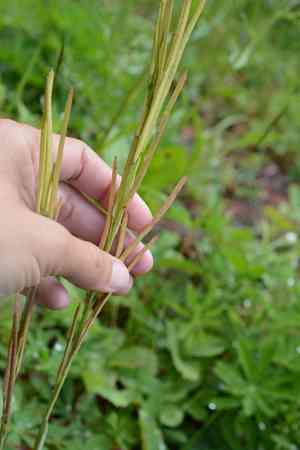
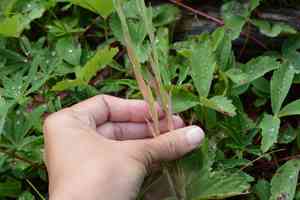
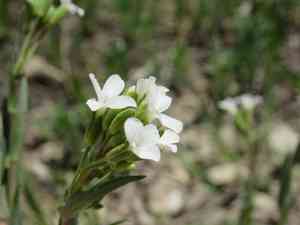
The plant features a basal rosette of broadly lanceolate leaves, each reaching up to 8 centimeters in length. Additionally, the stem bears widely spaced leaves. At the apex of the stem, there is a slender cluster of flowers, typically white but occasionally light pink. The plant produces a straight, upright seed pod, or silique, that can grow up to 10 centimeters long and contains two rows of winged seeds.
In This Article
Attributes of Drummond's rockcress
Lifespan
Biennial, Perennial
Plant Type
Herb
Plant Height
10 cm to 89 cm
Spread
Varies, generally narrow and not forming a broad crown
Leaf Color
Green
Flower Size
0.5-1 cm
Flower Color
White Pink Purple
Images of Drummond's rockcress
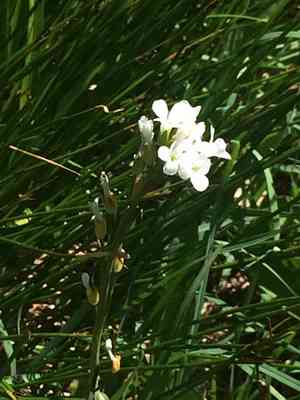
Quickly Identify Drummond's rockcress
1
Identify Boechera stricta by its erect growth habit, slender basal leaves, and small, four-petaled white to light pinkish flowers that form in a terminal raceme.
Scientific Classification of Drummond's rockcress
Phylum
Vascular plants
Class
Dicotyledons
Order
Brassicales
Family
Cruciferae
Genus
rockcress
Species
Drummond's rockcress
Planting and Growing of Drummond's rockcress
Care Difficulty
Easy
Watering Schedule
Every 2 days
Sunlight Requirements
Full sun
Sunshine Duration
6-10 hours
Ideal Temperature
60-75℉
Soil Type
Potting Mix, Peat Mix
Soil pH
6.5-7.5
Fertilizer Type
Balanced
Pruning Season
Spring, Summer
Pruning Area
Branches, Leaves
Pruning Frequency
2 times a year
Repotting Season
Spring
Pot Type
Plastic, Ceramic
 How to Water Drummond's rockcress?
Boechera stricta typically requires a moderate approach to watering. A good rule of thumb is to water until the soil is evenly moist but not soggy, about 200 milliliters at a time. Ensure excess water can drain away easily to prevent root rot.
What are the symptoms of an underwatered Drummond's rockcress?
›
What should I do if my Drummond's rockcress is not getting enough water?
›
What are the symptoms of an overwatered Drummond's rockcress?
›
How to save an overwatered Drummond's rockcress?
›
 What Are the Sunlight Requirements for Drummond's rockcress?
For optimum growth, provide Boechera stricta with a minimum of 4 to 6 hours of direct sunlight daily. This ensures energy accumulation for growth and strengthens the plant’s resilience to environmental changes.
What is the Best Lighting Condition for Boechera stricta?
›
How to Achieve Ideal Lighting for Boechera stricta?
›
Benefits of Providing Ideal Light to Boechera stricta
›
 What Is the Ideal Temperature Range for Drummond's rockcress?
Boechera stricta thrives in a temperature range between 60°F and 75°F. This range provides the optimal conditions for growth and ensures the plant can photosynthesize efficiently. Ensuring that temperatures remain within this range helps to maintain the plant's metabolic processes and prevents stress.
 What Soil is Best for Drummond's rockcress?
Boechera stricta thrives in well-drained soil, which prevents waterlogging and root rot. This quality allows for better air circulation around the roots and provides the plant with essential oxygen, enhancing growth and health. This plant does not require highly fertile soil. Moderately fertile soil provides sufficient nutrients for Boechera stricta without overwhelming it. This balance aids in robust growth by allowing the plant to develop a vigorous root system. Boechera stricta prefers soil with a pH of 6.5 to 7.5. This pH range helps in the proper absorption of nutrients and ensures that the plant remains healthy and vibrant, minimizing the risk of nutrient lockout.
 How to Fertilize Drummond's rockcress?
For Boechera stricta, it's advisable to use a balanced fertilizer with an N-P-K ratio like 10-10-10. Apply approximately 1 teaspoon of liquid fertilizer diluted in a gallon of water per plant every two weeks. For slow-release fertilizers, use about 2 tablespoons per plant, evenly sprinkled around the soil, ensuring not to contact the plant stem directly.
 How to Prune Drummond's rockcress?
First, examine the plant to identify any dead or damaged stems. Removing these is crucial as they can harbor pests or diseases. Make cuts at a 45-degree angle just above a healthy bud or at the base of dead stems. This encourages new growth and prevents water damage. Trim back overgrown or spindly stems to shape the plant and enhance air circulation, which reduces the risk of fungal infections.
More About Pruning Techniques→
 How to Propagate Drummond's rockcress plant?
1
Collect seeds from mature Boechera stricta plants after flowering. Clean and dry the seeds carefully, and store them in a dry, cool place until ready to plant.
2
Fill seed trays with potting mix and lightly press seeds into the surface. Cover lightly with soil, water gently but thoroughly, and place in a warm area with indirect sunlight.
3
When seedlings develop a set of true leaves, transplant them to individual pots or directly into the garden, ensuring careful handling to avoid root damage.
 How to Repot Drummond's rockcress plant?
1
Boechera stricta shows signs that it's time to repot when the roots start to circle the pot or become visible through drainage holes. It's best to repot during the growth periods of spring or autumn when the plant is most resilient to changes in its environment. Avoid repotting during its dormancy in winter.
2
Select a pot that is slightly larger than the current one, with sufficient drainage holes. This allows for proper air circulation around the roots and prevents waterlogging, which could lead to root rot. A pot made of terracotta can be beneficial as it allows for air exchange.
3
Opt for a well-drained, gritty soil mix to mimic the plant's natural rocky, mountainous habitat. This type of soil ensures that excess water drains away, preventing root rot while providing the plant with the essential minerals it thrives on.
Learn More About Drummond's rockcress Diseases
Anthracnose
Bacterial Leaf Spot
Bacterial Soft Rot
Bacterial Wilt
Clubroot
Crown Gall
Cyst Nematode
Damping-off
Downy Mildew
Drought Stress
Fusarium Wilt
Gray Mold
Leaf Spot
Mosaic
Nutrient Deficiency
Nutrient Toxicity
Powdery Mildew
Root Rot
Root-knot Nematode
Rusts
Sooty Mold
Spider Mites
Temperature Stress
Thrips Damage
White Mold



