How to Prune Strawberry Spinach?
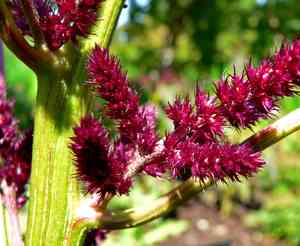
A member of the Amaranthaceae family, strawberry Spinach is recognized for its palatable leaves, which resemble spinach, and its fruit, which looks like strawberries. Effective trimming entails routinely eliminating deceased or discolored leaves to stimulate robust development. Snipping off the ends can foster denser foliage. Perform pruning in the springtime to sculpt the plant and boost leaf output. Gentle trimming during summer preserves plant well-being, whereas targeted pruning in autumn readies strawberry Spinach for its winter resting phase. Pruning not only revitalizes strawberry Spinach but also discourages insect problems and encourages a greater harvest of its unique berries and leaves.
What Are the Benefits of Pruning Strawberry Spinach?
What Are the Benefits of Pruning Strawberry Spinach?
Trimming strawberry Spinach promotes more robust development and helps maintain its desired form. It directs the plant's energy towards producing richer foliage and a greater abundance of berries, ensuring a compact and appealing structure.
What Is the Best Time for Pruning Strawberry Spinach?
What Is the Best Time for Pruning Strawberry Spinach?
Pruning in Spring is optimal as it coincides with the beginning of strawberry Spinach's growth cycle, preparing it for vigorous development by removing any dead or damaged stems remaining from winter, and shaping the plant before it expends energy on new growth. Early Summer trimming is advantageous for preserving plant structure and stimulating fruit production since strawberry Spinach typically bears fruit in late summer. Pruning at this time can also help manage plant size and eliminate non-productive or excessively dense foliage, which can enhance air circulation and decrease disease occurrence. Fall pruning is generally light, focused on removing any spent stems after fruiting and tidying up the plant before winter dormancy. It's crucial not to prune too late in the season to avoid new growth that might not harden off before frost.
What Tools Do I Need to Prune Strawberry Spinach?
Bypass Pruners
Perfect for making clean cuts on strawberry Spinach's delicate stems without harming the plant tissue. These pruners operate like scissors, with two blades passing each other to create a precise cut.
Micro-Tip Snips
Excellent for strawberry Spinach due to their accuracy in snipping small and hard-to-reach areas. The fine tips allow for detailed pruning, especially for thinning and harvesting its small, edible leaves and berries.
Gardening Shears
Useful for shaping strawberry Spinach and controlling its growth. The larger blades can manage multiple stems simultaneously, which is efficient for quick trimming.
Gloves
While not a cutting tool, gloves are vital for protecting hands during the pruning process, as strawberry Spinach may have delicate stems or foliage that could cause irritation.
How to Prune Strawberry Spinach
Identify
Examine strawberry Spinach to locate withered leaves, which are typically discolored, dry, or falling off. Inspect the plant thoroughly to ensure no healthy foliage is mistakenly trimmed during the process.
Sanitize
Before pruning, clean and disinfect the pruning tools with isopropyl alcohol or a bleach solution to prevent the spread of disease to strawberry Spinach.
Cut
Using sharp and sanitized scissors or pruning shears, carefully snip the withered leaves at the base of their stems without damaging the nearby healthy leaves and shoots of strawberry Spinach.
Dispose
Safely discard the withered leaves of strawberry Spinach to prevent potential fungal growth or pest attraction around the healthy plant.
Review
After trimming, review strawberry Spinach to ensure no diseased or unwanted growths remain. Repeat the process as necessary to maintain the health and aesthetic appearance of the plant.
Common Pruning Mistakes with Strawberry Spinach
Overpruning
Removing too much foliage from strawberry Spinach can weaken the plant, decrease its productivity, and delay berry and leaf production.
Removing productive stems
Cutting back stems that are actively producing flowers and berries can reduce the yield of strawberry Spinach.
Ignoring dead or diseased material
Failing to remove dead or diseased leaves and stems can hinder the health and vibrancy of strawberry Spinach, leading to potential spread of disease.
Inconsistent pruning
Pruning strawberry Spinach too sporadically or irregularly can lead to uneven growth and reduce the overall aesthetic appeal of the plant.
Inadequate tool maintenance
Using dull or dirty pruning tools can cause damage to the stems of strawberry Spinach, making them more susceptible to pests and diseases.
Common Pruning Tips for Strawberry Spinach
Sanitize tools
Before pruning strawberry Spinach, always begin with clean, sharp pruning tools to prevent the spread of disease and ensure clean cuts.
Selective thinning
Carefully thin out crowded areas of strawberry Spinach to improve air circulation and light penetration, which is crucial for healthy growth and development.
Cut at the base
When removing stems or leaves of strawberry Spinach, make cuts at the base of the stem to encourage new growth and maintain a tidy appearance.
Prune for shape
Gently shape strawberry Spinach by pruning errant stems to maintain the desired aesthetic and encourage bushier growth.
Post-harvest pruning
After berry harvest, prune strawberry Spinach to remove stems that have fruited to make room for fresh growth and future production.



