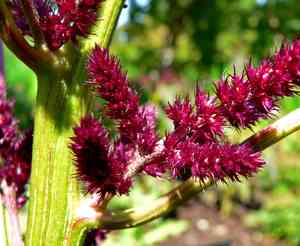
Strawberry Spinach (Blitum capitatum)
Also known as: Strawberry Blite, Indian Paint
Strawberry Spinach (Blitum capitatum) is an annual plant thriving in North American wet valleys. It bears clusters of small, bright red fruits that look like strawberries from afar. Native North Americans historically used the juice from these fruits to make red dye.
In This Article
Attributes of Strawberry Spinach
Lifespan
Annual, Biennial
Plant Type
Herb
Plant Height
60 cm
Spread
40 cm
Leaf Color
Green
Flower Size
Small, <1 cm
Flower Color
Green Purple Red
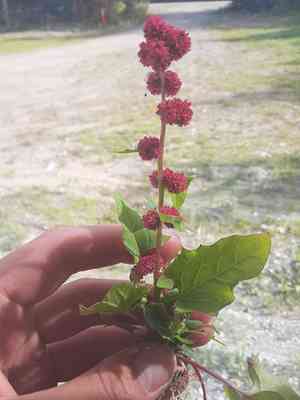
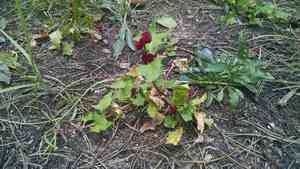
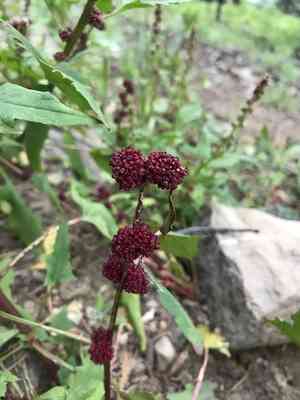
Images of Strawberry Spinach

Quickly Identify Strawberry Spinach
1
Look for a herbaceous plant with bright red, berry-like clusters and triangular to diamond-shaped leaves. The flowers are small and green, situated in dense clusters.
Scientific Classification of Strawberry Spinach
Phylum
Vascular plants
Class
Dicotyledons
Order
Caryophyllales
Family
Amaranth
Genus
Blitum
Species
Strawberry Spinach
Planting and Growing of Strawberry Spinach
Care Difficulty
Easy
Watering Schedule
Every 8 days
Sunlight Requirements
Partial sun
Sunshine Duration
4-6 hours
Ideal Temperature
60-70℉
Soil Type
Potting Mix, Peat Mix
Soil pH
6.5-7.5
Fertilizer Type
Balanced
Pruning Season
Spring, Summer
Pruning Area
Branches, Leaves
Pruning Frequency
2 times a year
Repotting Season
Spring
Pot Type
Ceramic, Plastic
 How to Water Strawberry Spinach?
When watering Blitum capitatum, aim for 500ml at a time, ensuring the soil is evenly moist but not soggy. Use the finger test by inserting your finger into the soil; if the top inch is dry, it is time to water.
What are the symptoms of an underwatered Strawberry Spinach?
›
What should I do if my Strawberry Spinach is not getting enough water?
›
What are the symptoms of an overwatered Strawberry Spinach?
›
How to save an overwatered Strawberry Spinach?
›
 What Are the Sunlight Requirements for Strawberry Spinach?
Partial sunlight with dappled shade enhances the plant's photosynthesis efficiently, leading to robust growth and vibrant foliage, ensuring a healthy development cycle.
More About Sunlight Requirements Techniques→
What is the best location?
›
How to optimize lighting indoors?
›
What are the benefits of ideal lighting?
›
 What Is the Ideal Temperature Range for Strawberry Spinach?
The ideal temperature range for growing Blitum capitatum is between 60°F and 70°F. This range provides optimal conditions for photosynthesis, ensuring healthy foliage and robust growth. Maintaining this range helps prevent stress-related plant issues, resulting in a vibrant and productive plant.
 What Soil is Best for Strawberry Spinach?
Blitum capitatum thrives in nutrient-rich soil, ensuring robust growth and vibrant foliage. A rich soil provides essential nutrients, supporting healthy plant development and increasing resistance to diseases. This plant requires well-draining soil to prevent waterlogging, which can lead to root rot. Well-draining soil helps maintain the right moisture levels, promoting healthy root systems and ensuring overall plant vitality. Blitum capitatum benefits from soil that retains moderate moisture without getting soggy. This helps the plant maintain consistent hydration, supporting steady growth and avoiding stress from drought conditions.
 How to Fertilize Strawberry Spinach?
For Blitum capitatum, it is essential to apply a balanced liquid fertilizer at half the recommended strength to avoid overwhelming the plant. Approximately 1/2 teaspoon per gallon of water is suitable when using a 20-20-20 NPK fertilizer.
 How to Prune Strawberry Spinach?
Locate any flowers that have wilted or discolored. These are the ones you should aim to remove first as they can divert energy from producing new blooms. Make your cuts at a 45-degree angle, just above a leaf node or bud. This encourages new growth in the right direction and prevents water from pooling on the cut surface. Trim the plant to maintain its shape and prevent it from becoming too leggy. This will ensure it remains both healthy and visually appealing.
More About Pruning Techniques→
 How to Propagate Strawberry Spinach plant?
1
Harvest seeds from mature Blitum capitatum plants when the seed heads are fully dry. Ensure seeds are completely dry before storing them in a cool, dry place until you are ready to plant.
2
Fill seed trays with a well-draining potting mix; sow the Blitum capitatum seeds evenly spaced. Cover lightly with soil, avoiding deep planting, as seeds require light to germinate.
3
Water the seeds gently to ensure moisture without waterlogging. Cover the trays with a clear plastic lid to maintain humidity and warmth, facilitating germination.
 How to Repot Strawberry Spinach plant?
1
Knowing when to repot Blitum capitatum is vital for its healthy growth. Look for signs like slow growth, roots poking out of drainage holes, or water sitting on the soil for too long. These indicate that the plant needs more space for roots to explore.
2
Choose a pot that is 1-2 inches larger in diameter than the current one. This gives the roots ample space to expand without overwhelming them. A pot with drainage holes promotes healthy root breathing and prevents waterlogging, ensuring your plant thrives.
3
Opting for a well-draining, loamy soil mix is crucial for Blitum capitatum. This soil type retains essential moisture while preventing excess water accumulation, reducing root rot risk and providing the nutrients needed for vigorous growth.



