How to Prune Hammock fern?
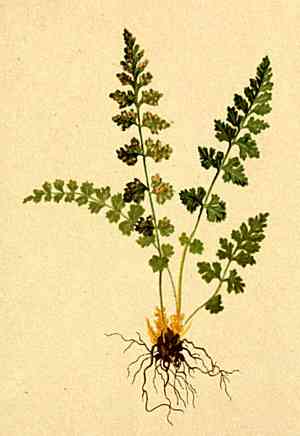
A perennial fern, hammock fern displays unique foliage that enhances its decorative charm. Trimming should concentrate on eliminating withered or compromised fronds in early spring or summer to preserve its well-being and appearance. This period coincides with hammock fern's vigorous growth stages, facilitating recuperation and development. Pruning not only neatens the plant but also deters ailments by boosting air movement. Cultivators will observe that consistent trimming fosters a more resilient and aesthetically appealing plant.
Advantages of Trimming Hammock Fern
Advantages of Trimming Hammock Fern
Trimming hammock fern stimulates robust development and preserves its attractive form. Consistent removal of older fronds fosters healthier, denser foliage, boosting the plant's overall vitality and look.
Optimal Period for Trimming Hammock Fern
Optimal Period for Trimming Hammock Fern
Trimming hammock fern during Spring and Summer is ideal due to its active growth in these warmer months. This timeframe allows hammock fern to recover swiftly from cuts and promotes denser, healthier growth as the plant's metabolic processes are at their peak. Furthermore, eliminating old or dead fronds before the onset of peak growth helps prevent the spread of diseases and pests, which are more common in warmer climates. Pruning in the recommended seasons ensures minimal stress on hammock fern, fostering vigor and resilience.
Necessary Tools for Trimming Hammock Fern
Hand Pruners
Perfect for cutting small to medium-sized fronds of hammock fern. Precise cuts help maintain the plant's shape and health without causing undue harm to the delicate fronds.
Hand Shears
Suitable for shaping and managing the size of hammock fern, particularly useful for trimming multiple small fronds simultaneously with minimal effort.
Pruning Saw
Essential for removing thicker, older fronds that hand pruners cannot manage. Ensures clean cuts that encourage healthy regrowth.
How to Trim Hammock Fern
Identify
Locate and inspect hammock fern for any diseased or withered leaves and any affected stems. Observe the color and texture of the leaves and stems closely for any signs of discoloration or deformity.
Sterilize
Sanitize pruning tools before making cuts. Use alcohol or a bleach solution to disinfect the blades to prevent the transmission of disease between plants.
Prune leaves
Carefully trim the diseased and withered leaves of hammock fern. Use sharp scissors or pruning shears, making clean cuts at the base of the unwanted leaves without harming healthy tissue.
Prune stems
Trim any diseased stems on hammock fern. Make cuts at least an inch below the affected area into healthy, green growth to ensure complete removal of any diseased tissue.
Cleanup
Properly dispose of all removed leaves and stems. Do not compost as this might spread disease. Clear all debris from around the plant base to encourage good air circulation and reduce the risk of further disease.
Common Trimming Errors with Hammock Fern
Over-trimming
Inexperienced gardeners might cut back too much of hammock fern's foliage, mistakenly believing it will stimulate new growth. Over-trimming can stress the plant and result in reduced vigor and sparse foliage.
Incorrect cut placement
Cutting too close to the main stem or too far from the dead or damaged leaf can harm the plant. Improper cutting locations can introduce disease or hinder proper regrowth.
Removing healthy fronds
Mistakenly removing green, healthy fronds along with the damaged or diseased ones can unnecessarily weaken hammock fern.
Using unsanitized trimming tools
Not sterilizing tools before use can spread disease between plants. Dirty tools are a common vector for fungal and bacterial infections.
General Trimming Advice for Hammock Fern
Sanitize tools
Always sterilize pruning tools before and after use to prevent the spread of disease. Use diluted bleach or rubbing alcohol for effective sterilization.
Trim damaged fronds
Focus on removing only the brown, dead, or damaged fronds to maintain plant health and aesthetics. This helps to redirect hammock fern's energy to healthier growth.
Cut at correct spot
Make cuts on fronds about 1-2 inches from the base near the stem. Properly placed cuts encourage healthier and faster regrowth.
Dispose of trimmings
Properly dispose of all removed fronds and debris to prevent decay and possible fungal growth near hammock fern. This is crucial for maintaining a clean and disease-free growing environment.



