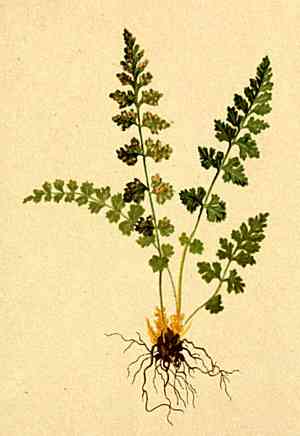
Hammock fern (Blechnum occidentale)
Also known as: Water Fern, Red Blechnum
Hammock fern, native to western North America, can be successfully grown in gardens with the right care. It dislikes dry conditions and requires soil that remains consistently moist. Regular watering is crucial to keep the soil damp but not saturated. The scientific name, Blechnum occidentale, reflects its origins, with "Blechnum" meaning fern and "occidentale" indicating its western habitat.
In This Article
Attributes of Hammock fern
Lifespan
Perennial
Plant Type
Herb
Plant Height
30-50 cm
Spread
Spreading, about 30-60 cm
Leaf Color
Green to reddish
Flower Size
Not applicable
Flower Color
Not applicable
Images of Hammock fern
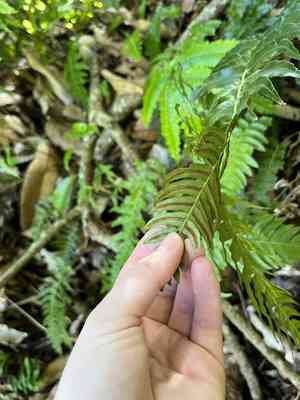
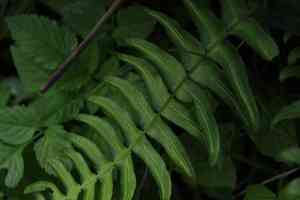
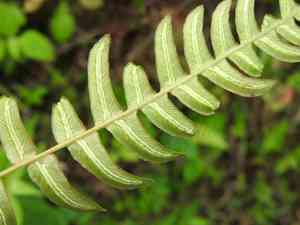
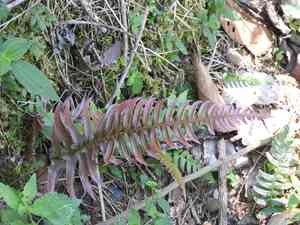
Quickly Identify Hammock fern
1
Creeping rhizomes with 12-18 inches (30-45 cm) tall growth.
2
Initial bronzy-pink to salmon-pink fronds maturing into robust green.
3
Leathery, glossy fronds with 3 inches (7.6 cm) width and 18 inches (45.7 cm) length.
4
Fronds have 12-28 leaf segments flanking the midrib.
5
Texture becomes more leatherlike as fronds age.
Scientific Classification of Hammock fern
Phylum
Vascular plants
Class
Ferns
Order
Polypodiales
Family
Chain fern
Genus
Hard fern
Species
Hammock fern
Planting and Growing of Hammock fern
Care Difficulty
Moderate
Watering Schedule
Every 2 days
Sunlight Requirements
Partial sun
Sunshine Duration
6-10 hours
Ideal Temperature
65-75℉
Soil Type
Potting Mix, Peat Mix
Soil pH
6-7.5
Fertilizer Type
Balanced
Pruning Season
Spring, Summer
Pruning Area
Branches, Leaves
Pruning Frequency
2 times a year
Repotting Season
Spring
Pot Type
Plastic, Ceramic
 How to Water Hammock fern?
For Blechnum occidentale, the amount of water should be enough to moisten the soil but not leave it soggy. This fern thrives in consistently moist environments, so 300 ml per session is generally suitable. It's important to ensure the soil is well-draining to prevent waterlogging, which can be detrimental.
What are the symptoms of an underwatered Hammock fern?
›
What should I do if my Hammock fern is not getting enough water?
›
What are the symptoms of an overwatered Hammock fern?
›
How to save an overwatered Hammock fern?
›
 What Are the Sunlight Requirements for Hammock fern?
Blechnum occidentale does best with partial sun to full shade conditions. Within this range, light helps in robust growth, allowing the plant's natural beauty to shine.
What is the best lighting condition for Blechnum occidentale?
›
How to ensure Blechnum occidentale receives ideal light?
›
Benefits of providing ideal light to Blechnum occidentale?
›
 What Is the Ideal Temperature Range for Hammock fern?
The ideal temperature range for Blechnum occidentale is between 65°F and 75°F. Within this range, the plant thrives, allowing for optimal physiological processes such as photosynthesis and nutrient uptake. Maintaining these temperatures ensures that the plant stays healthy, grows effectively, and achieves its full aesthetic potential.
 What Soil is Best for Hammock fern?
Blechnum occidentale requires soil with excellent drainage to prevent root rot. This helps the plant thrive, maintaining healthy growth and lush foliage. Ensuring good drainage mimics their natural habitat and supports overall plant health. The presence of rich organic matter in the soil is vital for Blechnum occidentale as it provides essential nutrients. This organic richness promotes vigorous growth and enhances the fern's ability to flourish in various conditions. Maintaining a consistently moist soil environment is essential for Blechnum occidentale. It helps in retaining sufficient moisture, crucial for the plant's growth, mimicking the humid conditions of its native habitat.
 How to Fertilize Hammock fern?
Blechnum occidentale, commonly known as the Western Blechnum, typically requires a balanced approach to fertilization. When using liquid fertilizer, a solution with a strength of half the recommended dose for general houseplants is suitable. This fern benefits from a light hand, as too much can cause more harm than good. A balanced 10-10-10 or 20-20-20 NPK ratio works well, ensuring adequate supply without overwhelming the plant.
 How to Prune Hammock fern?
To begin pruning Blechnum occidentale, ensure you have clean, sharp pruning shears or scissors. A sanitized tool reduces the risk of introducing harmful pathogens to the plant. Wear gloves to protect your hands from the sharp edges of the fronds. Start by identifying the older, browning fronds near the base of the plant. Carefully snip them off close to the base without damaging new growth. Trim any dead or damaged fronds to improve the plant's aesthetics and health. After removing old growth, step back and assess your work. Trim any fronds that are growing erratically to maintain the desired shape. This not only enhances its visual appeal but also allows better air circulation through the plant. Post-pruning, water the plant adequately and monitor for any signs of stress. Fertilize if necessary to promote vigorous growth, especially if it's early in the growing season. Observing the plant will prevent any setbacks from the pruning shock.
More About Pruning Techniques→
 How to Propagate Hammock fern plant?
1
Choose a healthy section of the plant with robust growth and no signs of disease. This improves the success rate of propagation significantly.
2
Use a sharp knife to carefully divide the rhizomes or roots. Each section should have at least one growing point and sufficient roots to sustain growth.
3
Plant the new divisions into prepared containers with appropriate soil mix. Water them thoroughly but avoid waterlogging to prevent root rot.
 How to Repot Hammock fern plant?
1
Blechnum occidentale should be repotted when it shows signs of becoming root-bound, such as roots growing out of the drainage holes, or a noticeable slowdown in growth. These indicators suggest that the plant has outgrown its current pot and needs more space to thrive.
2
Choose a pot that is only slightly larger than the current one, about 1-2 inches wider in diameter. This allows for gradual growth without overwhelming the plant. A pot with good drainage is essential to prevent waterlogging, which can lead to root rot.
3
Opt for a rich, well-draining soil mix containing peat, pine bark, and perlite. This composition ensures adequate moisture retention while allowing excess water to escape, mimicking the fern's natural forest floor habitat and promoting healthy root development.



