How to Propagate Hammock fern?
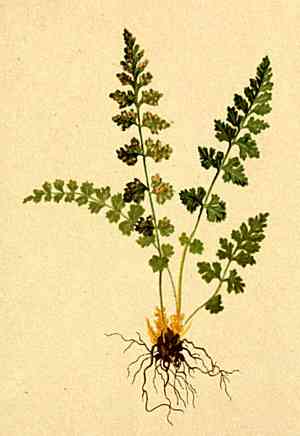
The most effective way to propagate the hammock fern is by sowing its spores. This technique mirrors its inherent developmental patterns, guaranteeing adaptability and robustness. To achieve successful propagation, ensure the growing medium remains uniformly damp and offers good drainage. Employing a sterilized substrate is advisable to avert fungal diseases. Mild warmth can facilitate germination, but direct solar exposure must be prevented to safeguard the fragile spores.
Optimal Time for Hammock Fern Propagation
Propagation Method
Seeding
Propagation Period
Spring
Tools for Hammock Fern Propagation
Seed trays
Seed trays are crucial for initiating hammock fern's seeds, offering a controlled setting for sprouting. These trays should drain well and be shallow, perfectly suiting hammock fern's small seed size, aiding uniform sowing and lowering the risk of fungal issues.
Fine vermiculite or perlite
These substances serve as a seed-starting substrate. They provide excellent drainage and retain just enough moisture to meet hammock fern's germination needs without becoming waterlogged. This ensures that hammock fern's delicate roots are not harmed by excess water.
Misting bottle
A misting bottle assists in gently watering the seeds without dislodging them. For hammock fern, which may have fragile seeds, gentle misting ensures they stay intact and correctly positioned for optimal development.
Heat mat
A heat mat can be positioned beneath the seed trays to maintain a consistent soil temperature, vital for hammock fern's germination. Given hammock fern's tropical origins, the heat mat mimics a warm environment, boosting germination rates.
Grow lights
Grow lights deliver consistent light exposure, important for hammock fern after germination when seedlings require sufficient light for growth. They ensure that seedlings develop healthily and robustly, especially in environments where natural light is insufficient.
How to Propagate Hammock Fern?
Propagation Type
Simple
Caring for Your Newly Propagated Hammock Fern
Caring for Your Newly Propagated Hammock Fern
Post-germination, gradually lower humidity by removing any plastic cover. Keep the soil consistently moist, and shield hammock fern from direct sun. Ensure young ferns are not overtaken by weeds. Slowly acclimating them to less humid conditions can strengthen hammock fern for eventual transplanting.
Common Errors to Avoid When Propagating Hammock Fern
Overwatering
Excessive water can lead to root rot, as hammock fern are vulnerable to too much moisture around their roots, hindering their growth and overall vitality.
Direct sunlight exposure
Hammock fern thrives in shaded or partially shaded locations. Exposing it to direct sunlight can cause leaf scorch and stress the plant, impeding its growth and vigor.
Using dense soil
Employing compact or heavy soils when planting hammock fern can restrict root development and water drainage, which is crucial for this fern's health. Poor soil conditions can prevent successful rooting and growth.
Tips For Propagating Hammock Fern
Use well-draining medium
Propagate hammock fern in a light, airy, and well-draining soil mix to encourage healthy root growth and prevent waterlogging, improving the survival rate of new plants.
Maintain high humidity
Hammock fern requires a humid environment for optimal growth, particularly during the propagation phase. Utilizing a humidity dome or regularly misting the plants can help meet these conditions.
Indirect lighting
Place hammock fern in indirect or filtered light to replicate its natural habitat under forest canopies. This lighting condition supports vigorous growth without the risk of sun damage.



