How to Prune Agarita?
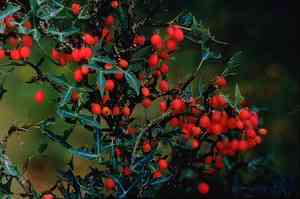
Agarita, a spiny bush featuring leaves resembling holly, yields yellow blossoms and crimson fruit. Trimming efforts should concentrate on excising deceased or ailing branches, sculpting for visual appeal or spatial considerations, and fostering greater fruit development. The ideal time for pruning is from late spring to early summer, following the collection of berries. Exercise restraint in pruning to preserve its inherent shape. This practice can stimulate fresh development and enhance the berry harvest. Refrain from severe cutting to avert harm to the plant's framework.
What Are the Benefits of Pruning Agarita?
What Are the Benefits of Pruning Agarita?
Trimming agarita is crucial for fostering abundant blooms and strengthening its resistance to pests and diseases, thereby sustaining vigorous health and ensuring a vivid display of its distinct yellow flowers and red berries.
What Is the Best Time for Pruning Agarita?
What Is the Best Time for Pruning Agarita?
These periods are ideal for agarita pruning because late spring and early summer follow the plant's primary flowering and fruiting cycle, typically from late winter to early spring. Pruning at this time minimizes disruption to the plant's natural growth and maximizes future flower and fruit production. Trimming in late spring allows for the removal of winter frost damage and shaping the shrub before summer growth. Early summer pruning helps maintain the plant's desired size and form, encouraging new growth that will mature through summer and fall. It is essential to avoid pruning agarita in late fall or winter, as cuts may not heal before cold weather, and new growth could suffer frost damage.
What Tools Do I Need to Prune Agarita?
Hand Pruners
Perfect for making precise cuts on agarita's smaller branches and stems. Opt for bypass pruners for a clean cut that encourages healthy regrowth.
Loppers
Useful for cutting thicker branches that hand pruners cannot manage. The extended handles provide leverage to easily cut through agarita's denser growth.
Pruning Saws
Necessary for cutting through agarita's mature or very thick branches that are too large for hand pruners or loppers.
Gloves
Heavy-duty gloves are required to shield hands from agarita's thorny branches during the pruning process.
How to Prune Agarita
Sterilize
Before pruning agarita, ensure all tools are sterilized to prevent disease transmission. Use a solution of one part bleach to nine parts water to clean pruning shears and saws.
Remove Diseased Parts
Carefully trim away any diseased leaves and branches from agarita. Make cuts at a slight angle, away from healthy tissue, to prevent water accumulation that could lead to further disease.
Eliminate Dead Material
Cut off all dead branches and withered leaves from agarita. To identify deadwood, look for brittle branches that snap easily and brown, crumbly leaves. Snip these close to the main branch or leaf stem to promote healthy growth.
Prune Withered Flowers
Remove faded flowers from agarita by snipping them at the base of the bloom. This redirects the plant's energy toward new growth and fruit development, if applicable.
Control Growth
To manage excessive growth and maintain agarita's shape, selectively trim overgrown branches. Focus on branches that are sprawling beyond the desired form or those that are crossing and rubbing, which can create wounds and expose the plant to pests and disease.
Common Pruning Mistakes with Agarita
Overzealous Pruning
Cutting back too much of agarita at once can stress the plant, potentially leading to reduced flowering or vigor. It's crucial to prune conservatively, removing no more than one-third of the plant's volume in a single session.
Improper Cut Location
Not cutting at the correct spot can harm agarita. Ideally, cuts should be made just above a leaf node or bud to encourage proper growth and faster plant healing.
Using Dull Tools
Employing dull pruning tools can result in jagged cuts that are more vulnerable to disease and pest infestation. Sharp, clean pruning shears make precise cuts that promote quicker healing.
Ignoring Diseased Wood
During pruning, failing to remove diseased or dead branches can leave agarita susceptible to further disease spread. Diseased wood should be pruned off to maintain plant health.
Neglecting Shape And Structure
A lack of attention to agarita's natural form when pruning can lead to an unattractive, unbalanced appearance. It's important to consider the plant's overall shape and structure for aesthetically pleasing results.
Common Pruning Tips for Agarita
Sanitize Tools
Keeping pruning tools sanitized will prevent the spread of disease between plants. Clean the shears with a solution of bleach and water or rubbing alcohol before and after pruning agarita.
Selective Thinning
Thinning out crowded branches by selectively pruning can help improve air circulation and light penetration, which is vital for agarita's health and flowering.
Identify Healthy Growth
Knowing which branches to prune comes from recognizing healthy versus unhealthy growth. For agarita, remove any weak, damaged, or crossing branches to promote a robust framework.
Encourage Flowering
To enhance flowering, focus on pruning older branches of agarita since flowers tend to appear on newer growth. This will stimulate the plant to produce fresh, flowering shoots.
Maintain Tools
Well-maintained tools ensure effective pruning. Keep the blades sharp and oil the hinges regularly to make the task of pruning agarita more efficient and less stressful for the plant.



