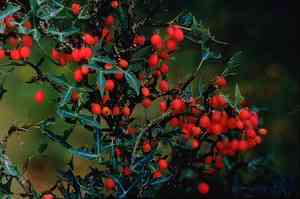
Agarita (Berberis trifoliolata)
Also known as: Algerita, Chaparral Berry, Laredo Oregon-Grape, Wild Currant
The shrub you're referring to is Mahonia (Berberis aquifolium). This evergreen perennial features small blue-black berries that serve as food for woodland wildlife. Its spiky leaves offer nesting sites for birds. In late winter to spring, it blooms with fragrant yellow flowers that attract butterflies and bees.
In This Article
Attributes of Agarita
Lifespan
Perennial
Plant Type
Shrub
Plant Height
61 cm to 1.8 m
Spread
90 cm to 1.5 m
Leaf Color
Green Blue Bronze
Flower Size
1.3 cm
Flower Color
Yellow Green Red
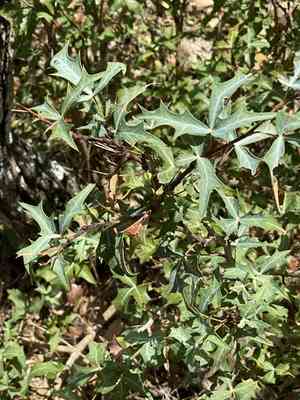
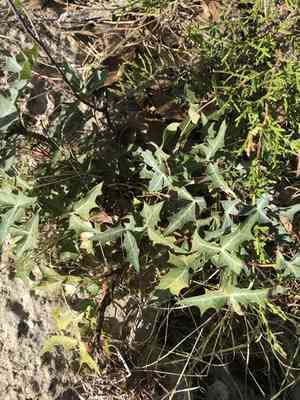
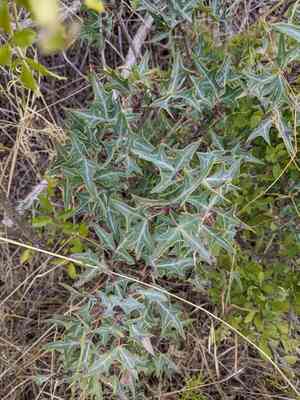
Images of Agarita
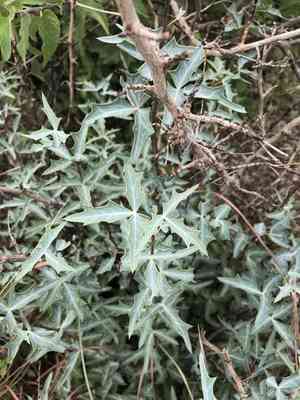
Quickly Identify Agarita
1
Identification skills include looking for the trifoliate leaf arrangement, sharp spines, and distinctive yellow flowers followed by red berries. The shrub is evergreen, with tough, leathery leaves that have a bluish-green tint.
Scientific Classification of Agarita
Phylum
Vascular plants
Class
Dicotyledons
Order
Ranunculales
Family
Barberry
Genus
salmon barberry
Species
Agarita
Planting and Growing of Agarita
Care Difficulty
Easy
Watering Schedule
Every 2 days
Sunlight Requirements
Full sun
Sunshine Duration
4-8 hours
Ideal Temperature
60-75℉
Soil Type
Potting Mix, Peat Mix
Soil pH
6.5-7.5
Fertilizer Type
Balanced
Pruning Season
Spring, Summer
Pruning Area
Branches, Leaves
Pruning Frequency
2 times a year
Repotting Season
Spring
Pot Type
Plastic, Terracotta
 How to Water Agarita?
Water Berberis trifoliolata until the soil feels thoroughly moist but not soggy. Ensure the water seeps down to the root level to ensure proper hydration. Wait for the top inch of soil to dry before the next watering. This helps prevent root rot and ensures the plant gets the right amount of nutrients.
What are the symptoms of an underwatered Agarita?
›
What should I do if my Agarita is not getting enough water?
›
What are the symptoms of an overwatered Agarita?
›
How to save an overwatered Agarita?
›
 What Are the Sunlight Requirements for Agarita?
Berberis trifoliolata thrives in full to partial sun, benefiting from 4 to 6 hours of sunlight. Ideal light exposure enhances its vivid foliage color and promotes dense growth.
More About Sunlight Requirements Techniques→
How to ensure optimal light exposure?
›
What are the benefits of proper light exposure?
›
Is artificial lighting a viable substitute?
›
 What Is the Ideal Temperature Range for Agarita?
Berberis trifoliolata thrives best in temperatures ranging from 60°F to 75°F. This range provides the ideal conditions for photosynthesis and metabolic activities, allowing the plant to maintain healthy growth and development.
 What Soil is Best for Agarita?
Berberis trifoliolata thrives best in well-draining soil conditions, which ensure that the roots do not become waterlogged. This prevents root rot and supports healthy plant growth by allowing roots to access necessary oxygen. A soil with moderate fertility is ideal for Berberis trifoliolata, providing essential nutrients without overwhelming the plant. This balances the growth rate and enhances the shrub's ability to produce vibrant foliage and berries. Consistent texture in soil helps in uniform root expansion, essential for the stable anchorage of Berberis trifoliolata. A mix of loam and sandy loam provides the right balance of moisture retention and aeration.
 How to Fertilize Agarita?
For Berberis trifoliolata, the application of liquid fertilizers should adhere to a moderate dosage, typically around 1/2 teaspoon per gallon of water. When using slow-release granules, approximately 1/4 cup should be spread evenly around the base of the plant every four months to ensure steady nutrient supply.
 How to Prune Agarita?
Begin by removing dead or damaged branches. Next, trim the plant to maintain a balanced, natural shape while encouraging denser growth. Cut back branches to a healthy bud or lateral shoot. To stimulate new growth, thin out congested branches to improve light penetration and air flow throughout the shrub, which supports a lush appearance and reduces pest issues.
More About Pruning Techniques→
 How to Propagate Agarita plant?
1
For seed propagation, prepare a seed-starting mix that is light and well-draining. It's crucial to provide an environment that mimics the natural growing conditions to promote germination.
2
Cut 4-6 inch sections of the stem with a few leaves attached during early spring. Make sure the cuttings are from healthy, living parts of the plant to maximize the chance of successful rooting.
3
Plant the seeds or cuttings in the prepared soil. Place them in a location with indirect sunlight and keep the soil consistently moist but not waterlogged. This balance is crucial to prevent both drying out and root rot.
 How to Repot Agarita plant?
1
Berberis trifoliolata shows signs of needing repotting when you notice roots emerging from the drainage holes, or when its growth appears stunted despite regular care. The best time to repot is in early spring or autumn when the plant is not actively blooming. Repotting during these seasons minimizes stress and encourages healthy root development.
2
Select a pot that’s one size larger than the current one and has good drainage holes. Ceramic or clay pots are ideal as they offer stability and breathe well, preventing waterlogging. This choice helps maintain an optimal moisture balance, which is crucial for the plant's root health and overall vigor.
3
A well-draining sandy loam is perfect for Berberis trifoliolata. This type of soil provides the needed aeration while retaining essential nutrients, facilitating robust root growth. Its drainage properties prevent root rot and create an environment where the plant can thrive without excess moisture pressure.
Toxicity
Ingestion of leaves or berries.
WARNING
The judgment on toxicity and danger is for reference only. We DO NOT GUARANTEE any accuracy of such judgment. Therefore, you SHALL NOT rely on such judgment. It is IMPORTANT TO SEEK PROFESSIONAL ADVICE in advance when necessary.



