Enhancing Your Garden Design with the Agarita Plant: A Landscaping Guide
1
Agarita is a adaptable plant suitable for diverse landscape environments.
2
Selecting an appropriate site for Agarita improves its development and visual charm.
3
Agarita benefits native fauna and encourages environmentally sound gardening methods.
Introducing Agarita to Your Landscape
Understanding Agarita's visual contribution to outdoor areas
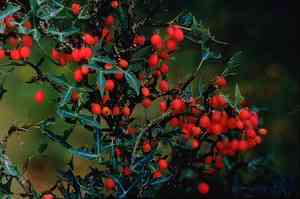
For enhancing your landscape's visual charm, Agarita stands out. Its distinct leaves and vivid fruits can introduce both texture and color to any garden. The plant's inherent beauty allows it to be a central feature or part of a larger, harmonious design. Whether utilized as a hedge, a solitary shrub, or integrated into a mixed border, Agarita brings sophistication and calm to outdoor environments. Due to its adaptable look, Agarita can suit various design styles, from rustic to contemporary.
Brief overview of Agarita's natural hardiness and adaptability
A key attractive quality of Agarita is its remarkable toughness. Known for its flexible nature, Agarita can flourish in diverse soil types and climates, making it a suitable option for many gardeners. Its drought-resistant characteristics mean it needs less frequent watering, which is excellent for eco-friendly gardening practices. Furthermore, this plant is quite pest-resistant and can endure harsh weather, ensuring it remains a stable and dependable element of your landscape for years.
Designing with Agarita: Key Considerations
Selecting the optimal planting site for Agarita's best growth
Choosing the ideal spot for Agarita in your landscape is vital for maximizing its development and aesthetic impact. The plant prefers well-drained soil and thrives best in sunny to partially shaded locations. While it's flexible enough to adjust to less-than-ideal conditions, planting Agarita where it receives direct sunlight for several hours daily will promote more vibrant foliage and abundant berry production. Also, consider Agarita's mature size and shape when deciding its placement to ensure it has ample room to grow and won't overcrowd other plants.
Pairing Agarita with other plants: Compatible species and design advice
To create a unified and visually pleasing landscape, it's crucial to combine Agarita with complementary plants. Consider pairing it with native grasses, flowering perennials, or other shrubs that have similar light and water requirements. Plants like lavender, rosemary, or sage can enrich the color palette and offer additional textures. The goal is to select species that will complement Agarita's unique appearance while fostering a balanced and sustainable ecosystem. Mixing these plants will not only beautify your garden but also encourage biodiversity.
Agarita's Seasonal Influence on Your Garden
Highlighting Agarita's year-round visual appeal
A prominent feature of Agarita is its capacity to provide visual interest throughout the entire year. In spring and summer, its lush green leaves and delicate blossoms lend a fresh, lively look to your garden. As seasons shift, so does Agarita; during autumn, the plant produces bright, decorative berries that attract birds and other wildlife. In winter, the resilient green of its foliage offers color and structure in an otherwise barren landscape. This consistent appeal makes Agarita a valuable addition to any garden.
Specific seasonal characteristics of Agarita that enhance landscape beauty
Each season reveals different aspects of Agarita's charm. In spring, you can anticipate its tiny, fragrant yellow flowers that add a touch of grace. These blooms are followed by the emergence of small red berries in summer, creating a striking contrast against the green foliage. As autumn approaches, the foliage might develop a reddish tint, adding warm hues to your garden. Even in winter, Agarita's sturdy branches and persistent leaves provide much-needed greenery and structure, making it a plant that shines in every season.



