How to Prune Begonia?
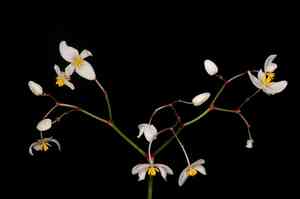
Distinguished by its uneven foliage and vivid blossoms, begonia flourishes with consistent trimming. Essential methods involve nipping off the ends to foster denser development and eliminating any withered or compromised leaves and stalks. The most effective time for pruning is in spring and summer, coinciding with its vigorous growth phase. Trimming prior to autumn aids in healthy dormancy. Advantages of pruning encompass improved air circulation, protection against ailments, and more abundant flowering, guaranteeing a strong and appealing presentation.
What Are the Benefits of Pruning Begonia?
What Are the Benefits of Pruning Begonia?
Trimming begonia promotes robust development and assists in preserving its desired form. Regular cutting eliminates old or overgrown foliage, allowing light to reach inner leaves, thereby fostering a denser and healthier plant.
What Is the Best Time for Pruning Begonia?
What Is the Best Time for Pruning Begonia?
Pruning during Spring is optimal for begonia as the plant exits its dormant winter phase and the increase in temperature stimulates new growth. This timing allows the gardener to shape the plant and remove dead or diseased stems before the plant directs energy into new growth, which can result in a healthier, bushier appearance. Additionally, Spring pruning can help to prevent overcrowding and improve air circulation. Summer pruning can be used for maintenance to remove any spent flowers or additional shaping as the plant continues to grow actively. Pruning in Fall is not recommended due to the approach of cooler temperatures; cutting back begonia during this time can make the plant more vulnerable to damage or disease during its dormant period.
What Tools Do I Need to Prune Begonia?
Micro-Tip Pruning Snips
Perfect for precise cuts on begonia, these snips enable careful removal of old flowers or leaves without harming the delicate stems.
Soft-Grip Floral Pruners
Designed for thinner, soft stems like those of begonia, this tool provides a clean cut and reduces hand fatigue during extended use.
Fine-Pruning Shears
Their sharp blades are ideal for shaping begonia by snipping away excess growth and help maintain the plant's aesthetics.
Leaf Trimmers
These are used for trimming minor overgrowths and removing dead or yellowing leaves from begonia, helping in keeping the plants tidy.
Gardening Gloves
Protects hands when pruning begonia and provides a better grip on the pruning tools.
How to Prune Begonia
Disinfect Tools
Before starting, disinfect all pruning tools by wiping them with alcohol or a bleach solution to prevent the spread of disease to begonia.
Remove Diseased Parts
Carefully remove any diseased leaves or branches, cutting them at their base without damaging healthy tissue to prevent further infection in begonia.
Eliminate Withered Parts
Trim off withered leaves by cutting them at the base of the stem, ensuring begonia retains its shape and encourages new growth.
Prune Dead Branches
Locate and cleanly cut any dead branches from begonia, making the cuts at an angle just above a healthy leaf node to promote regrowth.
Shape Plant
After removing damaged parts, lightly shape begonia as desired by selectively pruning to maintain a balanced structure, taking care not to remove more than one-third of the plant at one time.
Common Pruning Mistakes with Begonia
Overpruning
Removing too much foliage at once can stress begonia, leading to poor plant health or growth. It's important to prune no more than one-third of the plant at a time.
Improper Cuts
Making cuts that are too close to the main stem, or leaving stubs, can increase the risk of disease and pests in begonia. Clean cuts that heal quickly are essential.
Ignoring Dying Foliage
Failing to remove dead or yellowing leaves can hinder begonia's growth as the plant may waste energy trying to revive them. It's important to regularly remove dead parts.
Pruning New Shoots
Cutting the new shoots too early may limit begonia's blooming potential. Let the young growth develop sufficiently before trimming.
Dull Tools
Using dull or unclean pruning tools can damage begonia's stems and leaves, increasing the risk of disease, and creating jagged cuts that take longer to heal.
Neglecting Plant Shape
Not considering the natural shape of begonia during pruning can lead to an unbalanced and aesthetically displeasing plant. Maintain the natural form for optimal growth and display.
Common Pruning Tips for Begonia
Sanitize Tools
Before pruning, always sanitize the tools to prevent the spread of disease to or within begonia. Use a solution of 1 part bleach to 9 parts water or rubbing alcohol.
Angled Cuts
Make cuts at a 45-degree angle to prevent water from sitting on the surface, which could lead to rot or disease in begonia.
Pinching Tips
For begonia, pinching off the tips of new growth can encourage bushier plants with more flowers. Pinch just above a node where leaves emerge.
Focus On Old Flowers
Once the flowers begin to fade, prune them to redirect begonia's energy towards new growth and blooms.
Thinning
Thin out begonia by removing some of the central stems to increase air circulation and light penetration, which can improve overall plant health.
Aesthetic Pruning
Prune begonia to maintain its size and shape. Seasonal pruning can help keep the plant compact and aesthetically pleasing within the garden space.



