Enhancing Your Garden Design with the Begonia Plant: A Landscaping Guide
1
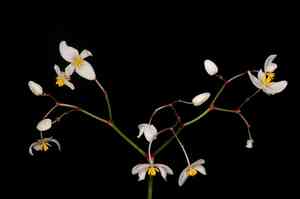
Begonia introduces vivid hues and diverse textures to any garden space.
2
Begonia is adaptable, suitable for numerous landscape designs, from contemporary to classic.
3
Correct positioning and care for Begonia are crucial for optimizing its aesthetic appeal and vitality.
Introducing Begonia into Garden Design
Appreciating Begonia's Visual Impact in Garden Layouts
When aiming to elevate your garden's visual appeal, few plants rival Begonia's allure. Renowned for its striking leaves and vivid flowers, Begonia serves as a captivating element that can add depth and intrigue to any landscape plan. Its intricate leaf patterns and bright hues make it a favorite among gardeners seeking to craft a visually stimulating outdoor space. Whether planted in borders, containers, or in large groupings, Begonia offers a dramatic touch that enlivens and characterizes your garden.
Begonia's Adaptability Across Diverse Landscape Styles
A key characteristic of Begonia is its adaptability. It integrates seamlessly into various landscaping aesthetics, whether you're aiming for a contemporary garden or a classic English design. For instance, in a modern garden, Begonia can be arranged in sleek, geometric patterns, enhancing the minimalist look with a burst of color. Conversely, in more traditional settings, it can be used to create lush, romantic garden scenes with a dense, layered appearance. This flexibility makes Begonia a preferred choice for both professional landscapers and gardening enthusiasts.
Brief Overview of Begonia's Current Popularity in Landscaping
In recent years, Begonia has experienced a surge in demand among modern landscape designers. This trend can be attributed to its distinctive appearance, which aligns well with current gardening trends favoring bold, unique plant selections. Many contemporary designs emphasize plants with year-round appeal, and Begonia fits this criterion perfectly, thanks to its vibrant foliage and extended flowering period. It's not just the aesthetics, but also Begonia's relatively easy care and adaptability that make it a cherished choice for gardens globally.
Optimal Placement of Begonia in Your Garden
Selecting Ideal Locations for Visual Enhancement
The positioning of Begonia in your garden can significantly influence the overall aesthetic of your landscape design. For the best visual outcome, consider placing Begonia in areas where its vibrant colors can stand out and serve as a focal point. For example, arranging them along garden paths or borders can guide the eye and establish a visually coherent flow throughout the space. Grouping Begonia in clusters can also amplify its effect, transforming ordinary garden areas into extraordinary visual displays.
Considerations for Sunlight and Shading
Understanding Begonia's light requirements is vital for its healthy growth and vibrant appearance. While Begonia generally thrives in partial to full shade, some varieties can tolerate filtered sunlight. It's crucial to observe your garden's light conditions throughout the day and position Begonia where it can receive the optimal amount of indirect sunlight. Too much direct sun can scorch its leaves, while insufficient light may hinder its blooming capacity. A well-lit, shaded spot often provides the best conditions for Begonia to flourish.
Creating Focal Points with Begonia
An effective strategy to enhance your garden's design is by utilizing Begonia to establish stunning focal points. These focal points can attract attention and add a sense of structure to your garden layout. For instance, planting Begonia around a garden bench or a water feature can highlight these elements and create a picturesque setting. Additionally, you can use Begonia as a centerpiece in a mixed planting bed, allowing its vibrant leaves to stand out among other foliage and flowers, making it a prominent feature in your garden.
Combining Begonia with Other Plants
Companion Plants that Enhance Begonia's Beauty
Pairing Begonia with complementary plants can significantly boost your garden's overall beauty. Consider combining Begonia with plants that offer contrasting textures or colors, such as ferns, hostas, or ornamental grasses. These combinations create a harmonious balance that accentuates the unique qualities of each plant. For instance, the soft, feathery fronds of ferns can provide an excellent backdrop for Begonia's bold, colorful leaves, resulting in a visually captivating arrangement.
Understanding Color and Texture Pairings
The art of landscape design involves comprehending how various colors and textures interact. With Begonia, you have numerous options to create striking combinations. Its rich foliage can be complemented by plants with lighter or contrasting colors, such as white flowers or silver-leaved plants, to form a vibrant composition. Moreover, experimenting with different texturesâpairing Begonia's smooth leaves with the rough, textured leaves of other plantsâcan add dynamic visual interest, making your garden more engaging and aesthetically pleasing.
Seasonal Considerations for Planting Around Begonia
Seasonality plays a crucial role in maintaining a beautiful garden year-round. While Begonia is known for its vibrant presence during warmer months, it's important to consider how your garden will appear in other seasons. Pairing Begonia with plants that offer year-round interest, such as evergreens or winter-blooming flowers, can ensure your garden remains attractive even when Begonia is not at its peak. Planning your garden with a seasonal perspective guarantees a continuous display of beauty and minimizes periods when Begonia might be less vibrant.
Maintaining Begonia in Your Landscape
Basic Care Tips for Healthy Growth
To ensure Begonia thrives in your garden, consistent maintenance is essential. Basic care includes regular watering, especially during dry spells, ensuring the soil stays moist but not waterlogged. Fertilizing Begonia with a balanced, slow-release fertilizer can also encourage healthy growth and vibrant foliage. Additionally, routine deadheadingâremoving spent bloomsâpromotes continuous flowering and keeps the plant looking tidy and appealing. Proper pruning techniques can help manage the plant's shape and size, contributing to a well-kept garden.
Seasonal Care Adjustments for Begonia
Maintaining Begonia requires attention to seasonal shifts. During spring and summer, focus on providing ample water and nutrients to support blooming. In autumn, reduce watering as the plant prepares for dormancy, and apply a layer of mulch to protect roots from cold temperatures. If you reside in an area with harsh winters, consider bringing container-grown Begonia indoors or providing frost protection, such as row covers, to prevent frost damage. Adapting your care routine to changing seasons ensures Begonia remains healthy and robust throughout the year.
Addressing Common Pests and Problems
Like any plant, Begonia can be susceptible to pests and diseases. Common pests include aphids, spider mites, and mealybugs, which can be managed with regular inspection and appropriate treatments, such as insecticidal soap or neem oil. Fungal issues, like powdery mildew, can be reduced by ensuring proper air circulation around the plants and avoiding overhead watering. Early detection and prompt action are crucial for keeping Begonia healthy. Regularly check your plants for signs of trouble and address issues immediately to prevent widespread problems.



