How to Prune Lily-pad begonia?
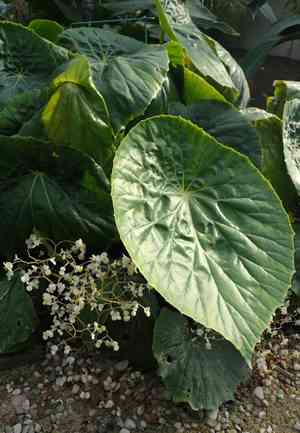
Begonia nelumbiifolia, recognized for its unique lily-pad-like foliage, thrives with consistent trimming to foster robust development and a pleasing form. Perform pruning in late winter or early spring, prior to the emergence of new shoots. Concentrate on excising withered or compromised leaves and alleviating crowded sections to enhance air movement. Periodically pinching back the stalks stimulates a more compact growth habit. Trimming Begonia nelumbiifolia not only boosts its visual charm but also diminishes the likelihood of fungal infections by improving ventilation.
What Are the Benefits of Pruning Lily-pad Begonia?
What Are the Benefits of Pruning Lily-pad Begonia?
Trimming lily-pad begonia encourages robust development, maintains desired form, prevents elongation, and boosts overall plant vitality by eliminating dead or ailing foliage. Consistent trimming also fosters dense, bushy growth and improves light penetration, leading to a more resilient plant.
What Is the Best Time for Pruning Lily-pad Begonia?
What Is the Best Time for Pruning Lily-pad Begonia?
Pruning lily-pad begonia in late winter or early spring is optimal as the plant is typically dormant or growing slowly. This timing allows cuts to heal quickly as the active growth season commences. Pruning during these periods also stimulates healthier and more vigorous new growth, enhancing the plant's health and structure. Furthermore, lily-pad begonia usually experiences a growth surge in spring, making it an ideal time to shape the plant and remove any dead or diseased sections without disrupting its blooming cycle.
What Tools Do I Need to Prune Lily-pad Begonia?
Bypass pruners
Bypass pruners are perfect for making clean cuts on living stems and branches, which is crucial for maintaining the health of lily-pad begonia.
Snipping scissors
Snipping scissors are excellent for precise trimming and deadheading flowers or removing dead leaves without harming other parts of lily-pad begonia.
Pruning knife
A pruning knife is useful for accurate cuts on smaller branches or to make clean incisions for removing unhealthy sections of lily-pad begonia.
How to Prune Lily-pad Begonia
Inspection
Carefully examine lily-pad begonia to identify any diseased or withered leaves. This helps in knowing precisely where to focus your pruning efforts.
Sterilize tools
Before cutting, sanitize your pruning shears with rubbing alcohol to prevent the spread of pathogens.
Remove diseased leaves
Cut off any diseased leaves at their base where they connect to the main stem. Make a clean cut to avoid damaging the healthy parts of the plant.
Remove withered leaves
Trim any withered leaves in the same manner, cutting them off where they attach to the stem to encourage new growth and prevent potential disease.
Dispose
Properly discard the trimmed diseased and withered leaves away from lily-pad begonia to prevent any potential disease transmission.
Common Pruning Mistakes with Lily-pad Begonia
Over-pruning
Removing too much foliage at once can stress lily-pad begonia and hinder its development. This shock can lead to reduced blooming and overall vitality.
Incorrect cutting technique
Using dull or dirty pruning tools can cause jagged cuts that invite disease and pests. Clean, sharp tools are essential for making precise cuts that heal quickly.
Pruning at the wrong nodes
Cutting above the incorrect node can prevent new growth from appearing at desired locations. Always identify the right node before making a cut.
Ignoring dead or diseased parts
Overlooking dead or diseased stems and leaves allows problems to persist and spread throughout lily-pad begonia. Regular inspection and removal of these parts are crucial.
Improper disposal of clippings
Leaving pruned material around the plant can promote disease and pest issues. Clippings should be disposed of appropriately, either by composting or discarding them away from healthy plants.
Common Pruning Tips for Lily-pad Begonia
Use Clean, Sharp Tools
Ensure that all tools are sanitized and sharp to make clean cuts. This practice helps prevent the spread of diseases and promotes faster healing.
Understand Growth Patterns
Familiarize yourself with lily-pad begonia's growth habits to make informed cuts. Prune just above a node to encourage new growth in the right areas.
Remove Dead and Dying Parts
Regularly inspect lily-pad begonia for any dead, diseased, or damaged parts. Removing these ensures the plant's energy is directed toward healthy growth.
Light Pruning for Shape
Engage in light pruning to maintain the shape and size of lily-pad begonia. This helps in promoting better air circulation and light penetration, which are vital for healthy growth.
Monitor and Adjust
Pruning is a continuous process. Monitor the plant's response to your pruning efforts and adjust as necessary. Each plant can react differently, so staying observant is key.



