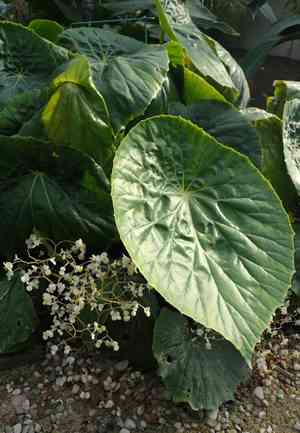
Lily-pad begonia (Begonia nelumbiifolia)
Also known as: Lotus-leaved begonia
The lily-pad begonia, with its distinctive, lotus-like leaves, flourishes in environments that mimic its tropical origins. It prefers bright, indirect light and thrives in consistently moist, but well-draining soil. This plant does best in warm, humid conditions, reflecting the moist habitats it naturally adapts to.
In This Article
Attributes of Lily-pad begonia
Lifespan
Perennial
Plant Type
Herb
Plant Height
30-60 cm
Spread
25-40 cm
Leaf Color
Glossy Green
Flower Size
1-2 cm
Flower Color
White
Images of Lily-pad begonia
Quickly Identify Lily-pad begonia
1
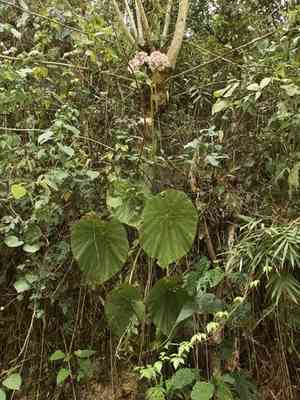
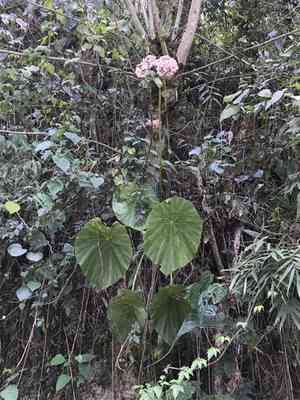
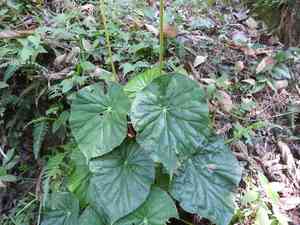
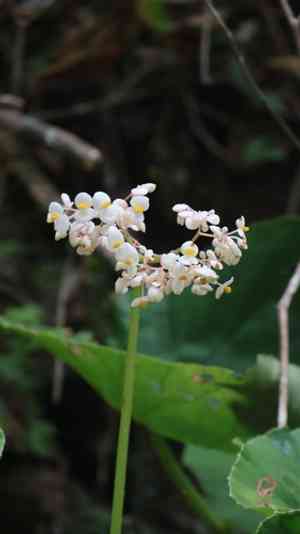
Look for round, peltate leaves that are glossy green with pronounced veins. The plant also has erect, hairy stems and blooms with small, white flowers.
Scientific Classification of Lily-pad begonia
Phylum
Vascular plants
Class
Dicotyledons
Order
Cucurbitales
Family
Begonia
Genus
Begonias
Species
Lily-pad begonia
Planting and Growing of Lily-pad begonia
Care Difficulty
Moderate
Watering Schedule
Every 4 days
Sunlight Requirements
Partial sun
Sunshine Duration
4-8 hours
Ideal Temperature
65-75℉
Soil Type
Potting Mix, Peat Mix
Soil pH
6.5-7.5
Fertilizer Type
Balanced
Pruning Season
Spring, Summer
Pruning Area
Branches, Leaves
Pruning Frequency
2 times a year
Repotting Season
Spring
Pot Type
Plastic, Ceramic
 How to Water Lily-pad begonia?
For Begonia nelumbiifolia, it is crucial to ensure the soil remains consistently damp but not waterlogged. Water until about 200 ml seeps through the drainage holes, ensuring humidity is maintained without excess moisture build-up.
What are the symptoms of an underwatered Lily-pad begonia?
›
What should I do if my Lily-pad begonia is not getting enough water?
›
What are the symptoms of an overwatered Lily-pad begonia?
›
How to save an overwatered Lily-pad begonia?
›
 What Are the Sunlight Requirements for Lily-pad begonia?
Thriving in partial sun, Begonia nelumbiifolia benefits from morning or late afternoon light, enhancing growth and leaf vibrancy while preventing damage from direct midday sunlight.
What is the ideal light condition?
›
How can you achieve ideal lighting?
›
What are the benefits of ideal lighting?
›
 What Is the Ideal Temperature Range for Lily-pad begonia?
The ideal temperature range for Begonia nelumbiifolia growth and maintenance is between 65°F and 75°F. This range ensures that the plant can thrive in conditions similar to its native tropical environment. At this temperature, the plant can efficiently photosynthesize and maintain proper metabolic functions. Humidity combined with these temperatures creates an optimal setting for the plant's growth and flowering potential.
 What Soil is Best for Lily-pad begonia?
Begonia nelumbiifolia thrives in well-drained soil that prevents waterlogging. Good drainage allows roots to breathe, avoiding root rot and promoting healthy growth. This plant prefers consistently moist soil that doesn't become waterlogged. Maintaining moisture helps support its lush foliage and overall vitality. Opt for a nutrient-rich loam soil to support the Begonia's growth. Providing essential nutrients enhances flowering and leaf development.
 How to Fertilize Lily-pad begonia?
For Begonia nelumbiifolia, it is crucial to provide a balanced fertilizer amounting to half the recommended strength on the product label. This ensures that the plant receives essential nutrients without the risk of over-fertilization, which can harm delicate root systems.
 How to Prune Lily-pad begonia?
Begin by inspecting the Begonia nelumbiifolia for any dead, diseased, or damaged leaves or stems. Use sharp, clean pruning shears to cut these away at their base. Next, trim any overcrowded stems to enhance air circulation. Shape the plant by selectively cutting back leggy growth to maintain a compact and bushy form. Every couple of years, consider rejuvenation pruning by cutting back about a third of the plant's oldest stems. This encourages new, vigorous growth and prevents the plant from becoming too woody or leggy over time. Ensure you leave enough foliage to sustain photosynthesis for the plant's health.
More About Pruning Techniques→
 How to Propagate Lily-pad begonia plant?
1
Choose a healthy parent plant with no signs of disease. Ensure it has robust growth, as this increases the likelihood of successful propagation.
2
Cut a 4-6 inch long section of stem just below a leaf node using sharp, sterilized scissors or knife, to ensure minimal damage.
3
Dip the cut end of the stem in rooting hormone, and plant it in a small container filled with a well-draining potting mix.
 How to Repot Lily-pad begonia plant?
1
Repot your Begonia nelumbiifolia when you notice signs like roots growing out of the pot's drainage holes, reduced growth vigor, or soil compactness. Early spring or early summer is the ideal time, as it coincides with the plant's active growth phase, allowing it to adjust quickly to the new pot.
2
Select a pot that is one size larger than the current one and has adequate drainage holes. A pot 1-2 inches larger in diameter ensures enough room for root growth while preventing excessive moisture retention. The material should allow breathability, like terra cotta, which helps to prevent fungal overgrowth by allowing the soil to dry out more quickly.
3
Opt for a rich, well-draining soil mix, like one composed of peat, perlite, and orchid bark. This blend offers a balance of moisture retention and drainage, providing aeration for the roots and preventing waterlogging. The mixture should be slightly acidic, mimicking the plant's natural habitat, supporting vigorous growth and healthy foliage.
Toxicity
Ingestion
WARNING
The judgment on toxicity and danger is for reference only. We DO NOT GUARANTEE any accuracy of such judgment. Therefore, you SHALL NOT rely on such judgment. It is IMPORTANT TO SEEK PROFESSIONAL ADVICE in advance when necessary.
Learn More About Lily-pad begonia Diseases
Anthracnose
Bacterial Leaf Spot
Bacterial Soft Rot
Bacterial Wilt
Crown Gall
Damping-off
Downy Mildew
Drought Stress
Fusarium Wilt
Gray Mold
Leaf Spot
Mosaic
Nutrient Deficiency
Nutrient Toxicity
Powdery Mildew
Root Rot
Root-knot Nematode
Sooty Mold
Spider Mites
Temperature Stress
Thrips Damage
White Mold



