How to Prune Windham's scaly cloakfern?
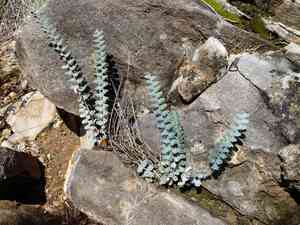
Windham's scaly cloakfern is characterized by its scaled foliage and flourishes in stony, adequately drained substrates. Essential trimming methods involve excising deceased or injured fronds to preserve the plant's well-being. The most suitable periods for pruning are late winter or early spring, precisely before fresh development commences. This schedule enables the plant to recover and concentrate its energy on generating vigorous new fronds. Furthermore, pruning deters ailments and enhances air movement, fostering a more robust plant in general.
What Are the Benefits of Pruning Windham's Scaly Cloakfern?
What Are the Benefits of Pruning Windham's Scaly Cloakfern?
Trimming windham's scaly cloakfern encourages robust development, helping it keep a defined, pleasing form. It also eliminates dead or sick fronds, decreasing pest infestations and illnesses. Consistent trimming ensures windham's scaly cloakfern flourishes and supports healthier, more vigorous foliage.
What Is the Best Time for Pruning Windham's Scaly Cloakfern?
What Is the Best Time for Pruning Windham's Scaly Cloakfern?
Trimming or cutting windham's scaly cloakfern during early spring or late winter aligns with its growth cycle, ensuring the plant is dormant or semi-dormant. This timing minimizes plant stress, allowing it to recover and grow vigorously once the active season begins. Additionally, pruning then helps shape the plant before new growth, ensuring better health and appearance year-round.
What Tools Do I Need to Prune Windham's Scaly Cloakfern?
Precision Pruners
Fine-tipped pruners are perfect for making clean cuts on delicate growths, crucial for maintaining the plant's look and vitality.
Bypass Pruners
Sharp and accurate, they are suitable for cutting thinner stems and preventing plant tissue damage, promoting healthy regrowth.
Hand Shears
Useful for trimming and shaping the plant without causing significant damage to its foliage, ensuring the fern maintains its form.
Disinfectant Wipes
Essential for sterilizing tools before and after pruning to prevent the spread of diseases.
How to Prune Windham's Scaly Cloakfern
Assessment
Examine windham's scaly cloakfern to identify diseased and withered leaves. This step ensures that only the necessary parts are pruned.
Sanitization
Sterilize pruning tools with rubbing alcohol or a bleach solution to prevent the spread of disease.
Removal diseased leaves
Cut off diseased leaves close to the base of windham's scaly cloakfern. Ensure the cut is clean to avoid damaging healthy tissue.
Removal withered leaves
Gently trim away withered leaves, avoiding damage to nearby healthy fronds. Focus on removing leaves that are completely dry.
Disposal
Immediately dispose of all pruned plant material to prevent disease spread or pest attraction. Do not compost diseased leaves.
Common Pruning Mistakes with Windham's Scaly Cloakfern
Over-pruning
Removing too much foliage at once can stress the plant and hinder its growth. This can lead to a weakened plant that is more susceptible to disease and pest infestations.
Improper technique
Using dull or inappropriate tools can cause ragged cuts that damage the plant’s tissues, leading to disease entry points and slower healing. Additionally, making cuts too close to the base can damage emerging fronds.
Timing errors
Pruning at the wrong time can disrupt the plant’s natural growth cycle, leading to weaker and fewer new fronds. Knowing the proper time to prune is vital for maintaining healthy growth.
Neglecting old fronds
Failing to remove dead or diseased fronds can cause them to become a breeding ground for pests and diseases, potentially spreading to healthy parts of the plant.
Pruning bottom-up
Starting from the top when pruning can increase the risk of damaging remaining healthy fronds. Always approach pruning from the bottom-up to avoid this issue.
Common Pruning Tips for Windham's Scaly Cloakfern
Use sharp tools
Utilize sharp, clean pruning tools to make smooth cuts and prevent tearing the plant tissue. This ensures quicker healing and reduces the risk of infections.
Target dead and damaged fronds
Focus initially on removing any dead, damaged, or diseased fronds to maintain overall plant health. Make clean cuts close to the base of the infected fronds without damaging the crown.
Light pruning regularly
Instead of heavy pruning sessions, consider light, regular pruning. This approach allows the plant to recover between sessions and encourages steady, healthy growth.
Cut at the base
When removing fronds, make your cuts at the base of the plant. However, be careful not to cut too close to the crown to avoid damaging the emerging fronds.
Clean tools between cuts
Regularly disinfect your pruning tools in between cuts, especially if you are removing diseased fronds. This prevents the spread of disease to healthy parts of the plant.



