How to Propagate Windham's scaly cloakfern?
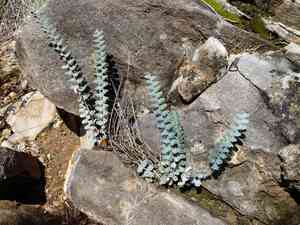
Windham's scaly cloakfern flourishes in porous, sandy substrates, frequently encountered in stony environments. To propagate, scatter spores on the surface of sterilized, damp earth; avoid covering them. Sustain elevated humidity and diffused illumination until sprouting occurs, a process that might span multiple weeks. Adequate air circulation minimizes fungal problems. After establishment, progressively lower the humidity, making certain the soil stays hydrated but not oversaturated. Relocate only when the juvenile ferns have attained sufficient strength.
Optimal Time for Windham's Scaly Cloakfern Propagation
Propagation Method
Seeding
Propagation Period
Spring
Equipment for Windham's Scaly Cloakfern Propagation
Spores
The primary material for initiating windham's scaly cloakfern propagation involves gathering and correctly handling spores. These are the reproductive components necessary for cultivating new plants.
Sterile Glassine Envelopes
Utilized for collecting and storing spores in a dry, aseptic environment to prevent contamination and moisture damage.
Sterile Growing Medium
A specialized substrate, such as sterilized peat moss or a peat-perlite blend, offering a clean, nutrient-rich base for spore germination and development.
Propagation Trays with Humidity Domes
Crucial for maintaining high humidity and consistent moisture levels, which are vital for spore germination and growth, mimicking windham's scaly cloakfern's natural moist environments.
Misting Bottle
A fine misting bottle allows for regulated watering, ensuring the growing medium stays moist without becoming saturated, which is essential for delicate spores and young ferns.
Heat Mat
Employing a heat mat ensures the growing medium maintains an optimal and steady temperature, encouraging quicker and more successful germination of windham's scaly cloakfern spores.
Fine Sieve
Used to sift the growing medium to create a smooth, even surface before sowing spores, enhancing seed-to-soil contact crucial for germination.
Magnifying Glass
Useful for closely examining spores and seedlings, ensuring healthy development and early detection of any potential issues.
Fungicide
Applying an appropriate fungicide can prevent fungal infections, a common problem in the high-humidity conditions required for spore germination.
How to Propagate Windham's Scaly Cloakfern?
Propagation Type
Simple
Caring for Your Newly Propagated Windham's Scaly Cloakfern
Caring for Your Newly Propagated Windham's Scaly Cloakfern
Windham's scaly cloakfern needs indirect light and consistently moist soil, but not waterlogged. Ensure good air circulation around the plants and fertilize with a balanced, diluted liquid fertilizer during the growing season. Regularly check for pests and diseases, and adjust watering to maintain optimal moisture levels.
Common Errors to Avoid When Propagating Windham's Scaly Cloakfern
Excessive Watering
Watering windham's scaly cloakfern too often can lead to root rot and fungal issues, as windham's scaly cloakfern prefers dry or well-drained conditions.
Insufficient Light
Providing inadequate light can hinder growth. Windham's scaly cloakfern thrives in bright, indirect illumination.
Using Standard Soil
Employing typical garden soil, which retains too much moisture, can harm windham's scaly cloakfern. Well-draining, sandy soil is preferred.
Incorrect Cutting Techniques
Improperly taking cuttings or collecting spores can damage the plant and reduce the likelihood of successful propagation.
Advice for Propagating Windham's Scaly Cloakfern
Well-Draining Soil
Utilize a mix that includes sand or gravel to ensure proper soil drainage and prevent root rot.
Indirect Light
Position the plant in a spot where it receives bright, diffused sunlight to encourage healthy growth.
Proper Watering
Allow the soil to dry out between waterings to mimic windham's scaly cloakfern's natural arid habitat and prevent fungal problems.
Clean Tools
Use sterilized tools when taking cuttings to minimize infection risk and promote successful propagation.
Spore Propagation
For spore propagation, gather spores from mature fronds and sow them on a suitable substrate under controlled conditions to enhance success rates.



