How to Prune Balloon milkvetch?
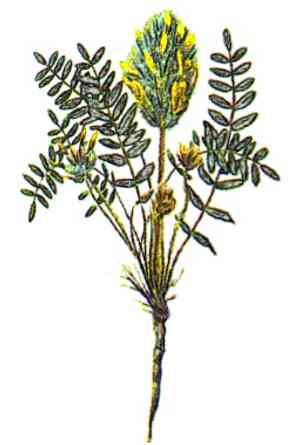
Astragalus cicer, known for its inflated seed vessels and appealing blossoms, thrives with trimming in late winter or early spring. Eliminate compromised, lifeless, or ailing branches to preserve the plant's well-being and stimulate fresh development. Cutting back excessively long stems aids in boosting air movement and light exposure, thereby lowering the chance of illness. Consistent trimming fosters a denser, more robust specimen, elevating its aesthetic value. Always employ sanitized, keen implements to prevent the introduction of harmful agents.
What Are the Benefits of Pruning Balloon Milkvetch?
What Are the Benefits of Pruning Balloon Milkvetch?
Trimming balloon milkvetch encourages robust development by eliminating dead or weak branches, maintains its form for improved balance, boosts air circulation, and reduces pest and disease problems. Managing plant size and enhancing overall appearance are key advantages of maintaining balloon milkvetch.
What Is the Best Time for Pruning Balloon Milkvetch?
What Is the Best Time for Pruning Balloon Milkvetch?
Pruning balloon milkvetch in early spring or late winter is optimal as it aligns with the plant's dormant phase. Trimming during these periods allows for better control of its growth as it prepares to enter its active development stage. Furthermore, pruning during dormancy lowers the risk of disease and pest infestations, and the plant can quickly recover and produce new growth once the growing season begins. This timing also avoids interfering with the plant's flowering or fruiting cycles, ensuring balloon milkvetch maintains both its vitality and bloom quality.
What Tools Do I Need to Prune Balloon Milkvetch?
Hand Pruners (Bypass Pruners)
Ideal for making precise cuts on young, tender stems of balloon milkvetch. Bypass pruners are perfect because they provide a clean cut that promotes healthy growth.
Anvil Pruners
Useful for cutting through older, thicker stems. They can handle tougher wood without crushing the plant tissue.
Pruning Shears
A versatile tool for routine upkeep, allowing you to easily trim multiple stems at once. Perfect for shaping and maintaining balloon milkvetch.
Lopping Shears
Essential for reaching and cutting larger stems that are too thick for hand pruners. These offer greater leverage and are good for shaping the plant.
Pruning Saw
Best suited for removing thicker, mature stems or branches. This ensures clean cuts on larger sections without damaging the overall plant structure.
How to Prune Balloon Milkvetch
Inspection
Start by thoroughly examining balloon milkvetch to identify diseased and withered leaves that require removal. Carefully check the entire plant, focusing on areas where leaves appear discolored, wilted, or show signs of illness.
Sterilize
Sanitize your pruning tools using rubbing alcohol or a bleach solution (1 part bleach to 9 parts water) to prevent disease transmission. Ensuring clean tools helps maintain the health of balloon milkvetch.
Trim diseased leaves
Carefully cut away all diseased leaves using sharp, sanitized scissors or pruning shears. Make your cuts just below the affected area, ensuring all diseased tissue is removed to prevent further infection.
Trim withered leaves
Remove all withered leaves by cutting them close to the stem. Dispose of these leaves away from the plant to reduce the risk of pests and diseases.
Dispose properly
Properly dispose of the removed diseased and withered leaves, ideally by sealing them in a bag and placing them in the trash. Do not compost diseased plant material as it can spread pathogens.
Common Pruning Mistakes with Balloon Milkvetch
Improper technique
Using incorrect tools or making jagged cuts can harm balloon milkvetch's stems, making it vulnerable to disease and pests.
Over-pruning
Removing too much foliage at once can shock balloon milkvetch, potentially stunting its growth or negatively affecting its blooming.
Timing
Pruning too often or at inappropriate times can hinder balloon milkvetch's natural growth cycle and flowering.
Common Pruning Tips for Balloon Milkvetch
Use clean tools
Always use clean, sharp pruning shears to make precise cuts. This minimizes infection risk and helps the plant heal faster.
Cut at angle
Make cuts at a slight angle just above a bud or leaf node to encourage new growth and prevent water from collecting on the cut surface.
Focus on health
First, remove any dead, diseased, or damaged stems to maintain plant health. This helps direct the plant's energy towards healthy growth and blooming.
Spacing
Ensure the plant is adequately thinned to allow light and air to reach inner branches, which promotes overall plant health and reduces the risk of mildew or other fungi.



