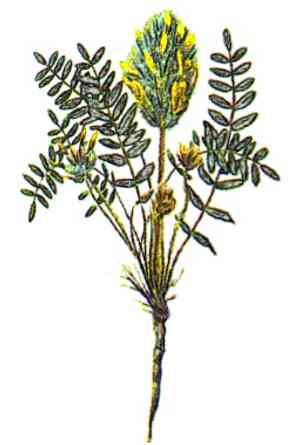
Balloon milkvetch (Astragalus whitneyi)
Also known as: Cone-like milkvetch, Woolly-leaved milkvetch
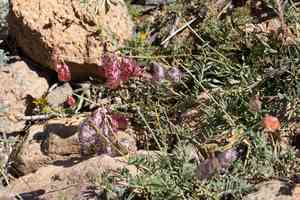
Balloon milkvetch is a tough perennial characterized by its feathery, pinnate leaves with many small leaflets. It features striking pink to purple flowers clustered in dense, round formations. This plant flourishes in its native alpine and subalpine regions, well-suited to rocky soils and high altitudes. It thrives in sunny, challenging conditions, with a deep taproot that provides stability against harsh elements.
In This Article
Attributes of Balloon milkvetch
Lifespan
Perennial
Plant Type
Herb
Plant Height
5 cm to 25 cm
Spread
Not specifically characterized
Leaf Color
Green
Flower Size
2-3 cm
Flower Color
Purple to lavender
Images of Balloon milkvetch
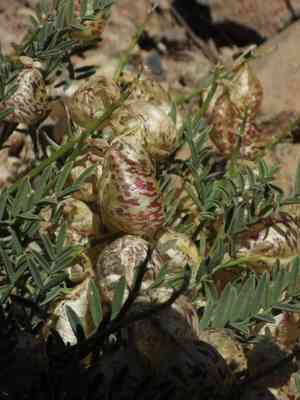
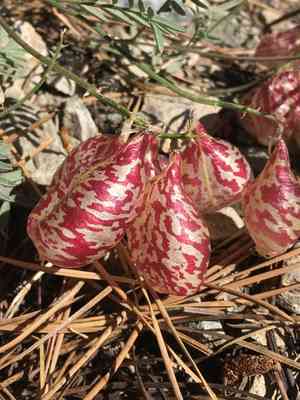
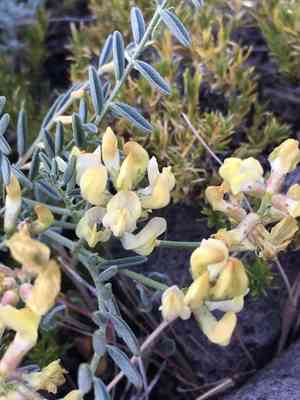
Quickly Identify Balloon milkvetch
1
Identify Astragalus whitneyi by its small, cluster-forming stems and hairy, pinnate leaves. The flowers are usually purple to lavender, and the pods are inflated, hair-covered, and often curved.
Scientific Classification of Balloon milkvetch
Phylum
Vascular plants
Class
Dicotyledons
Order
Fabales
Family
Legume
Genus
Milkvetch
Species
Balloon milkvetch
Planting and Growing of Balloon milkvetch
Care Difficulty
Hard
Watering Schedule
Every 2 days
Sunlight Requirements
Full sun
Sunshine Duration
4-10 hours
Ideal Temperature
60-75℉
Soil Type
Potting Mix, Peat Mix
Soil pH
6.5-7.5
Fertilizer Type
Balanced
Pruning Season
Spring, Summer
Pruning Area
Branches, Leaves
Pruning Frequency
2 times a year
Repotting Season
Spring
Pot Type
Plastic, Ceramic
 How to Water Balloon milkvetch?
Astragalus whitneyi should be watered thoroughly to ensure the soil is evenly moist but not waterlogged. Approximately 250 ml per watering session is ideal, depending on pot size and drainage capabilities. Ensure water drains out to prevent root rot.
What are the symptoms of an underwatered Balloon milkvetch?
›
What should I do if my Balloon milkvetch is not getting enough water?
›
What are the symptoms of an overwatered Balloon milkvetch?
›
How to save an overwatered Balloon milkvetch?
›
 What Are the Sunlight Requirements for Balloon milkvetch?
Astragalus whitneyi's ideal light range is full sun to partial sun. Proper light ensures robust growth, vibrant foliage, and optimal flowering, enhancing its visual and ecological role in its environment.
Question: How much direct sunlight does Astragalus whitneyi need?
›
Question: Can Astragalus whitneyi tolerate partial shade?
›
Question: Is it necessary to adjust its position seasonally for ideal light conditions?
›
 What Is the Ideal Temperature Range for Balloon milkvetch?
Astragalus whitneyi prefers an ideal temperature range between 60°F and 75°F. In this range, the plant experiences optimal growth conditions, with sufficient warmth for metabolic processes without the stress of excessive heat.
 What Soil is Best for Balloon milkvetch?
Astragalus whitneyi thrives in well-draining soils which help prevent root rot by allowing excess water to flow away. Ensuring rapid water drainage mimics its natural rocky hillside habitats. Maintaining a pH between 6.5 and 7.5 ensures optimal nutrient availability, aligning with its preference for environments that are less acidic. Such pH conditions support robust plant growth. This plant is adapted to low-fertility soils, typical of its native rocky regions. Thus, low nutrient levels discourage excessive growth, thereby improving survival rates and stress tolerance.
 How to Fertilize Balloon milkvetch?
For Astragalus whitneyi, it is important to avoid over-fertilization as this plant typically thrives in nutrient-poor soils. Use a balanced liquid fertilizer at half the recommended strength for most houseplants, applying no more than once every two weeks. This ensures that the plant receives the necessary nutrients without overwhelming it.
 How to Prune Balloon milkvetch?
Start by identifying any brown, discolored, or wilting foliage. Carefully cut these dead or diseased parts back to a healthy part of the plant. This step is crucial to prevent any disease from spreading to healthy tissue. After removing unhealthy growth, focus on shaping Astragalus whitneyi. Trim excess growth from the top and sides, focusing on areas that disrupt the plant's natural shape. Aim to maintain a bushy, yet airy structure that allows light penetration. Prune just above a leaf node where you want new branches to emerge. This strategic cut can promote the development of new shoots and fuller growth. Be mindful not to over-prune, as excessive removal of material can stress the plant.
More About Pruning Techniques→
 How to Propagate Balloon milkvetch plant?
1
Collect mature seeds directly from the Astragalus whitneyi plant once they have dried on the flower. Handle carefully to avoid damaging the seeds.
2
Scatter seeds evenly on the seed tray filled with sterile potting mix, lightly cover them with a thin layer of soil, and gently water to keep moist.
3
Place the seed tray in a warm, well-lit area, keeping the soil consistently moist but not waterlogged, to encourage germination.
 How to Repot Balloon milkvetch plant?
1
Repot your Astragalus whitneyi when you notice stunted growth or roots emerging through drainage holes. This usually indicates that the plant has outgrown its current pot and requires additional space to thrive.
2
Opt for a pot that is 1-2 inches larger in diameter than the current one. This size allows room for growth without overwhelming the plant, ensuring healthier root development and better moisture control, thus preventing root rot.
3
Select a well-draining sandy soil mix that resembles its natural habitat. This type of soil promotes healthy drainage, preventing waterlogged roots and encouraging robust growth and nutrient absorption for Astragalus whitneyi.
Toxicity
Ingestion
WARNING
The judgment on toxicity and danger is for reference only. We DO NOT GUARANTEE any accuracy of such judgment. Therefore, you SHALL NOT rely on such judgment. It is IMPORTANT TO SEEK PROFESSIONAL ADVICE in advance when necessary.
Learn More About Balloon milkvetch Diseases
Anthracnose
Bacterial Leaf Spot
Bacterial Wilt
Chemical Injury
Crown Gall
Cyst Nematode
Damping-off
Downy Mildew
Drought Stress
Fusarium Wilt
Gray Mold
Leaf Curl
Leaf Spot
Mosaic
Nutrient Deficiency
Nutrient Toxicity
Powdery Mildew
Root Rot
Root-knot Nematode
Rusts
Sooty Mold
Spider Mites
Temperature Stress
Thrips Damage
White Mold



