How to Propagate Balloon milkvetch?
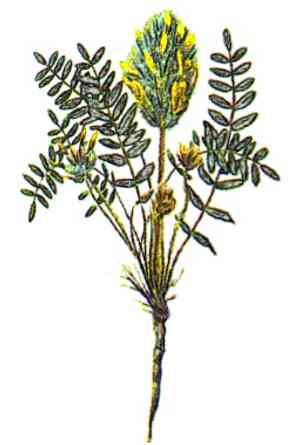
Astragalus cicer, a perennial herbaceous plant, frequently inhabits elevated terrains across North America. Reproduction is achieved by directly planting seeds into adequately drained soil that receives ample sunlight. Gently abrade the seed coats and immerse them prior to sowing to enhance sprouting success. Maintain steady hydration until the young plants are firmly rooted. The growing medium ought to be alkaline to neutral. Refrain from overwatering to avert the decay of roots. Apply a thin layer of mulch to suppress unwanted vegetation while permitting proper soil aeration.
When Is the Best Time to Propagate Balloon Milkvetch?
Propagation Method
Seeding
Propagation Period
Spring
What Equipment Is Used in Balloon Milkvetch Propagation?
Seed Trays
Perfect for germinating balloon milkvetch seeds, offering a controlled setting for sprouting. Ensure adequate drainage to prevent waterlogging, which can harm seed viability.
Seedling Heat Mat
Maintains a steady temperature around seed trays, vital for balloon milkvetch germination. Optimal soil warmth promotes faster and more consistent seed sprouting.
Seed Starting Mix
A sterile, free-draining medium is crucial for sowing balloon milkvetch seeds to prevent disease and encourage robust root growth. Avoid dense garden soil, which can compact and impede seedling emergence.
Misting Bottle
Delivers gentle hydration, ensuring delicate balloon milkvetch seeds receive sufficient moisture without being dislodged or harmed. Misting helps maintain the high humidity needed for successful seed germination.
Labels and Markers
Essential for tracking balloon milkvetch plantings to avoid confusion and monitor germination progress. Weatherproof labels and permanent markers are recommended for durability.
Humidity Dome
Creates a miniature greenhouse effect, trapping moisture and warmth to encourage the germination of balloon milkvetch seeds. It helps maintain the necessary humid environment during the early stages of growth.
Small Hand Trowel
Useful for transplanting germinated seedlings from trays to larger containers or garden beds. Ensures minimal root disturbance, which is crucial for the healthy establishment of balloon milkvetch seedlings.
How to Propagate Balloon Milkvetch?
Propagation Difficulty
Simple
How to Care for Your Newly Propagated Balloon Milkvetch?
How to Care for Your Newly Propagated Balloon Milkvetch?
Post-propagation, balloon milkvetch needs ample sunlight and well-drained soil. Keep the soil moderately moist but avoid overwatering, as balloon milkvetch is prone to root rot. Apply mulch around the base to retain moisture and suppress weed growth. Regularly check for pests and diseases and address any issues promptly to ensure healthy development.
Common Mistakes to Avoid When Propagating Balloon Milkvetch
Overwatering
Excessive moisture can lead to root rot, which is detrimental to balloon milkvetch's growth. This condition diminishes the plant's health, making successful propagation harder.
Improper Soil Conditions
Using soil that retains too much water or lacks proper drainage can prevent successful root development. Balloon milkvetch thrives in well-draining soil.
Inadequate Light
Placing balloon milkvetch in overly shaded areas compromises the plant's ability to photosynthesize effectively, hindering its growth and propagation.
Incorrect Use of Fertilizers
Applying too much fertilizer can cause nutrient burn, damaging balloon milkvetch's roots and impeding healthy growth.
Tips For Propagating Balloon Milkvetch
Proper Watering Schedule
Maintain a balanced watering routine ensuring the soil is moist but not waterlogged, promoting healthy root development in balloon milkvetch.
Optimal Soil Mix
Use a well-draining soil mix with appropriate organic matter to provide the right growing environment for balloon milkvetch.
Adequate Light Exposure
Ensure balloon milkvetch receives sufficient sunlight by placing it in a location with ample natural light, but protect it from intense afternoon sun.
Controlled Fertilization
Apply a balanced, slow-release fertilizer sparingly to support balloon milkvetch's growth without causing nutrient overload.



