How to Prune Pomona milkvetch?
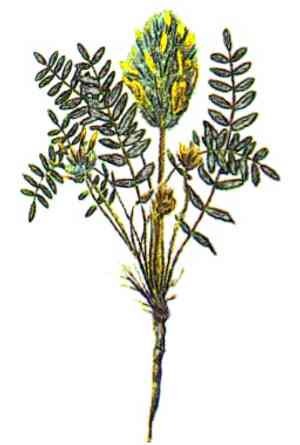
Pomona milkvetch, known for its fragile, grouped flowers, thrives with trimming in early spring or late winter. Essential methods involve eliminating deceased or injured stalks, reducing dense sections to boost air movement, and shortening excessively long branches for form management. Performing this maintenance during these periods aligns with its developmental phase, fostering vigorous spring development. Consistent trimming improves the plant's general well-being and bloom capacity, providing both aesthetic and environmental advantages. Always make precise cuts with disinfected implements to avert illness.
Advantages of Trimming Pomona Milkvetch
Advantages of Trimming Pomona Milkvetch
Trimming pomona milkvetch encourages robust development, helps maintain its form, improves overall look, and can lessen vulnerability to pests and illnesses. Regular cutting fosters healthy new shoots, ensuring pomona milkvetch stays strong and visually appealing.
Optimal Time for Pruning Pomona Milkvetch
Optimal Time for Pruning Pomona Milkvetch
Pruning pomona milkvetch during early spring or late winter aligns with its dormant phase, minimizing plant stress and fostering healthier growth cycles. This timing ensures the plant is trimmed before new growth starts, reducing disease risk and allowing for abundant flowering and fruiting in the subsequent growing season.
Tools Required for Pruning Pomona Milkvetch
Hand Pruners (Bypass Pruners)
Perfect for making clean cuts on stems and branches up to ¾ inch thick, suitable for the typical small branches of pomona milkvetch. Bypass pruners offer precision without crushing plant tissue.
Pruning Shears
Crucial for cutting smaller stems and light trimming, enabling detailed pruning that won't harm delicate parts of pomona milkvetch.
Loppers
Useful for trimming medium-sized branches too thick for hand pruners, typically between 1-2 inches in diameter. They provide extra leverage, aiding in reaching deeper branches of pomona milkvetch.
Sterilized Knife or Scissors
For precise, fine pruning near the base or removing spent flowers, ensuring clean cuts to prevent plant diseases.
Pruning Saw
For larger branches that exceed the cutting capacity of loppers but are necessary to maintain the overall shape and health of pomona milkvetch.
How to Prune Pomona Milkvetch
Inspect
Carefully examine pomona milkvetch for any diseased or withered leaves, identifying those that require removal.
Disinfect
Sanitize your pruning tools with a solution of one part bleach to ten parts water to prevent disease transmission.
Remove diseased
Use sharp, clean shears to cut away any diseased leaves. Make cuts close to the base of each leaf to prevent further infection.
Trim withered
Trim withered leaves by cutting them off just above a healthy leaf node to encourage new growth and maintain plant health.
Dispose
Discard all trimmed plant material away from the garden area to avoid spreading disease. Clean your tools after use.
Common Pruning Errors with Pomona Milkvetch
Incorrect Technique
A frequent error is making improper cuts that harm the plant's structure. Using dull or unsuitable tools can crush or tear plant tissue instead of making clean cuts.
Excessive Pruning
Removing too much foliage at once can stress pomona milkvetch, reducing its ability to photosynthesize effectively and recover. This can hinder growth and flowering.
Insufficient Pruning
Conversely, failing to prune enough can lead to a dense, overcrowded structure, which can decrease air circulation and light penetration, making the plant vulnerable to pests and diseases.
Neglecting Dead or Diseased Wood
Not removing dead or diseased branches can compromise the health of pomona milkvetch and allow diseases to spread throughout the plant.
General Pruning Advice for Pomona Milkvetch
Utilize Clean, Sharp Tools
Always use clean, sharp pruning shears or scissors for cuts. This ensures precise, clean cuts that promote faster healing.
Follow Natural Growth Patterns
Prune in a manner that preserves the natural shape and growth pattern of pomona milkvetch. Avoid cutting branches at awkward angles or shapes that distort the plant's natural form.
Remove Dead and Diseased Wood First
Begin by cutting away any dead, damaged, or diseased branches. This prevents further spread of disease and encourages healthy growth.
Thin Out Dense Areas
If the plant becomes too dense, selectively prune branches to improve air circulation and light penetration. This helps reduce pest and disease issues and promotes vigorous growth.
Make Cuts Above a Node
When cutting branches, make your cuts just above a bud or node to encourage new growth. This can result in a fuller and more aesthetically pleasing plant.



