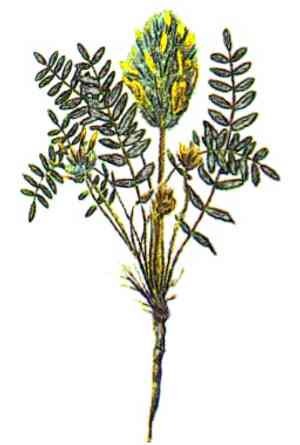
Pomona milkvetch (Astragalus pomonensis)
Also known as: Pomon's milkvetch
The perennial herb in question could be similar to the Pomona milkvetch, noted for its delicate, pea-like blossoms and pinnately compound foliage. Typically thriving in grasslands and open woodlands, this herb features deep taproots, making it well-suited to rocky or sandy soils. Its purple or violet flowers form clusters at the tips of the stems, contrasting beautifully with the green, lance-shaped leaflets. This plant is well-adapted to environments with seasonal changes and often exhibits drought resistance.
In This Article
Attributes of Pomona milkvetch
Lifespan
Perennial
Plant Type
Herb
Plant Height
30-60 cm (12-24 inches)
Spread
N/A
Leaf Color
Green
Flower Size
Approximately 1-2 cm (0.4-0.8 inches)
Flower Color
White to pale yellow
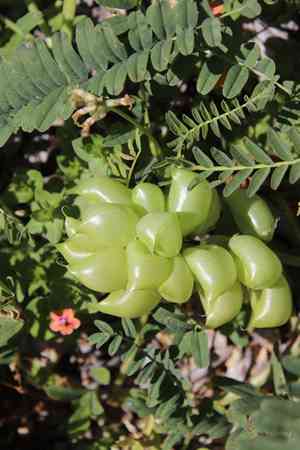
Images of Pomona milkvetch
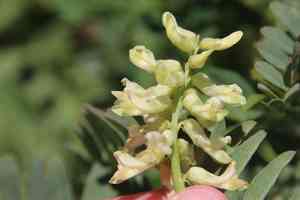
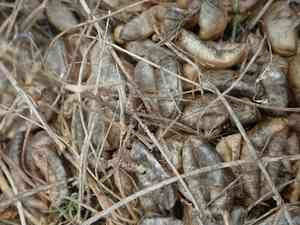
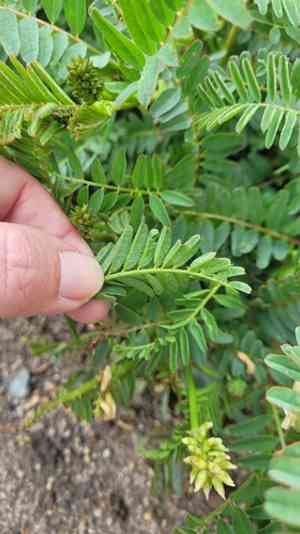
Quickly Identify Pomona milkvetch
1
To identify Astragalus pomonensis, look for its characteristic compound leaves with multiple small leaflets, and its upright, branching stems that typically produce clusters of small, pea-like flowers. The hairs on the plant are another distinguishing feature to check.
Scientific Classification of Pomona milkvetch
Phylum
Vascular plants
Class
Dicotyledons
Order
Fabales
Family
Legume
Genus
Milkvetch
Species
Pomona milkvetch
Planting and Growing of Pomona milkvetch
Care Difficulty
Moderate
Watering Schedule
Every 2 days
Sunlight Requirements
Full sun
Sunshine Duration
10-12 hours
Ideal Temperature
60-75℉
Soil Type
Potting Mix, Peat Mix
Soil pH
6.5-7.5
Fertilizer Type
Balanced
Pruning Season
Spring, Summer
Pruning Area
Branches, Leaves
Pruning Frequency
2 times a year
Repotting Season
Spring
Pot Type
Plastic, Ceramic
 How to Water Pomona milkvetch?
For Astragalus pomonensis, maintain a balance between soft, moist soil and the drying upper layer. When watering, aim for about 500ml per plant, ensuring the water seeps deeply to reach root zones without drowning the plant.
What are the symptoms of an underwatered Pomona milkvetch?
›
What should I do if my Pomona milkvetch is not getting enough water?
›
What are the symptoms of an overwatered Pomona milkvetch?
›
How to save an overwatered Pomona milkvetch?
›
 What Are the Sunlight Requirements for Pomona milkvetch?
Astragalus pomonensis thrives in full sun conditions. This allows for the strongest photosynthesis, ensuring rich growth and abundant flowering, essential for a healthy growth cycle.
Optimal Light Duration
›
Solutions for Ideal Light
›
Benefits of Ideal Light
›
 What Is the Ideal Temperature Range for Pomona milkvetch?
The ideal temperature range for Astragalus pomonensis lies between 60°F and 75°F. This range provides optimal conditions for growth, ensuring that the plant can photosynthesize efficiently and maintain a robust metabolic process. At these temperatures, the physiological functions of the plant are in balance, promoting health and vigor.
 What Soil is Best for Pomona milkvetch?
Astragalus pomonensis thrives in nutrient-rich soils that provide essential minerals and elements crucial for its growth. This requirement ensures that the plant receives adequate nutrition, supporting robust growth and vibrant foliage. Excellent drainage is vital to prevent root rot and encourage healthy root development. Well-drained soil helps ensure that water doesn't pool around the roots, promoting optimal plant health and reducing the risk of fungal diseases. While well-drained, the soil should still retain enough moisture to sustain the plant between watering. This balance helps maintain consistent hydration, promoting lush growth and preventing stress from drought conditions.
 How to Fertilize Pomona milkvetch?
For Astragalus pomonensis, it is important to use a balanced fertilizer. A diluted liquid fertilizer at half-strength is ideal, ensuring not to exceed one cup per plant during each application. This amount supports healthy growth while preventing nutrient burn.
 How to Prune Pomona milkvetch?
Start by removing any dead or damaged branches. Use sharp, clean pruning shears and cut at a 45-degree angle. Removing these parts encourages new healthy growth. After addressing any dead sections, shape the plant by trimming overgrown areas. Focus on maintaining a balanced form while ensuring sunlight can reach all parts of Astragalus pomonensis.
More About Pruning Techniques→
 How to Propagate Pomona milkvetch plant?
1
Collect mature seeds from the plant after flowering. Soak them in water overnight to enhance germination rates by softening the seed coat.
2
Select healthy, non-flowering stems and cut a 4-6 inch segment. Remove lower leaves and dip in rooting hormone to stimulate root growth.
3
Divide the mature plant by carefully separating the root ball into smaller sections, ensuring each section has roots attached. Plant them immediately in prepared soil.
 How to Repot Pomona milkvetch plant?
1
You should look out for signals such as roots protruding from the drainage holes or the plant becoming top-heavy and difficult to water properly. These are clear signs that the plant has outgrown its current pot. Ideally, repotting should be done in early spring or autumn when the plant is not in its active growth phase.
2
Select a pot that is just one size larger than the current one to ensure healthy root development without too much room that could encourage rot. The pot should have good drainage to prevent water accumulation, which suits Astragalus pomonensis' natural preference for dry conditions.
3
Astragalus pomonensis thrives in well-draining soil with a sandy texture. This type of soil allows excess water to drain quickly, preventing root rot and mimicking the plant’s native environment. A well-draining mix improves root health and supports overall plant vigor.
Toxicity
Ingestion
WARNING
The judgment on toxicity and danger is for reference only. We DO NOT GUARANTEE any accuracy of such judgment. Therefore, you SHALL NOT rely on such judgment. It is IMPORTANT TO SEEK PROFESSIONAL ADVICE in advance when necessary.



