How to Propagate Pomona milkvetch?
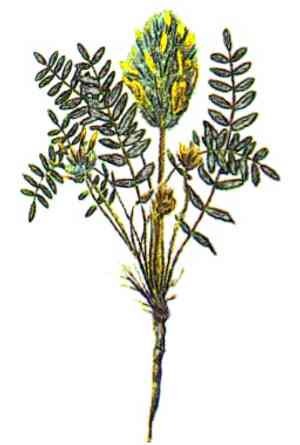
Pomona milkvetch flourishes in adequately drained ground and favors abundant sunlight. For reproduction via seeding, utilize newly harvested seeds to achieve optimal outcomes, since aged seeds might necessitate scarification to overcome dormancy. Confirm that the seeds are delicately blanketed with earth and sustained in a damp state until sprouting, which generally happens within several weeks. Preserve moderate hydration and prevent excessive watering to encourage robust development in nascent plants.
Optimal Time for Pomona Milkvetch Propagation
Propagation Method
Seeding
Propagation Period
Spring
Tools for Pomona Milkvetch Propagation
Seed Trays
Seed trays offer a controlled setting for seed germination. Their compartments help organize seeds and ensure sufficient growth space. They also facilitate easy handling and minimize cross-contamination among different seed types.
Germination Mat
A germination mat delivers steady warmth to seed trays, crucial for speeding up germination rates and ensuring successful sprouting. The consistent temperature fosters an ideal environment for pomona milkvetch, supporting its initial growth.
Seed Starting Mix
Seed starting mix is a light, sterile growing medium that encourages robust root development and healthy growth. It typically contains a blend of peat, vermiculite, and perlite, providing excellent drainage and aeration, vital for the delicate seeds of pomona milkvetch.
Spray Bottle
A spray bottle allows for gentle misting of the soil and young seedlings, preventing waterlogging and ensuring even moisture distribution. This tool is particularly useful for avoiding seed displacement during watering.
Humidity Dome
A humidity dome covers seed trays to retain moisture and warmth, creating a micro-environment conducive to seed germination. It helps maintain consistent humidity levels essential for the successful sprouting of pomona milkvetch.
Labeling Stakes
Labeling stakes assist in tracking different plant varieties and sowing dates within seed trays. Accurate labeling ensures you can monitor the progress and specific needs of pomona milkvetch throughout its growth stages.
Fine Mesh Sieve
A fine mesh sieve is used to lightly cover seeds with a thin layer of soil or vermiculite after sowing. This prevents seeds from being buried too deeply, which is important for the germination of pomona milkvetch, as some light may be necessary for its seeds to sprout.
Tweezers
Tweezers are useful for handling small seeds and seedlings without causing harm. They are especially helpful when sowing seeds of pomona milkvetch to ensure precision and minimal disturbance to the planting medium.
Transplanting Tool
A small, narrow transplanting tool or dibber aids in carefully moving seedlings from seed trays to their final growing location. It ensures minimal root disturbance, which is vital for the health and continued growth of pomona milkvetch.
Propagating Pomona Milkvetch
Propagation Difficulty
Simple
Caring for Newly Propagated Pomona Milkvetch
Caring for Newly Propagated Pomona Milkvetch
Post-transplant, provide pomona milkvetch with consistent watering, especially during dry spells, but allow the soil to dry out between waterings to prevent root rot. Apply mulch around the base to conserve moisture and suppress weeds. Monitor for pests and diseases, using organic controls as needed. Ensure full sun exposure for optimal growth. Fertilize sparingly; pomona milkvetch thrives in nutrient-poor soils due to its nitrogen-fixing ability.
Common Errors to Avoid When Propagating Pomona Milkvetch
Overwatering
Excessive moisture can lead to root rot and fungal diseases, which are harmful to pomona milkvetch's health. The plant prefers well-drained soil.
Using Inappropriate Soil
Heavy, clay-rich soils that retain too much moisture can suffocate roots, hindering growth and leading to poor propagation outcomes.
Insufficient Light
Lack of adequate light can result in weak, leggy growth that is not robust enough for successful propagation.
Incorrect Planting Depth
Planting seeds or cuttings too deep can impede their access to light and resources, slowing down germination and growth.
Tips for Propagating Pomona Milkvetch
Well-Draining Soil
Utilize a sandy or loamy soil mix to ensure proper drainage, preventing waterlogging and root rot.
Moderate Watering
Water consistently but sparingly. Keep the soil moist but not saturated to avoid excess moisture.
Proper Light Exposure
Ensure the plant receives ample indirect sunlight to promote strong and healthy growth.
Surface Sowing
When planting seeds, sow them just beneath the soil surface or use light soil coverage to allow sufficient light penetration for germination.
Root Protection
When dividing, handle roots gently to prevent damage and facilitate better establishment of new plants.



