How to Prune Widow's milkvetch?
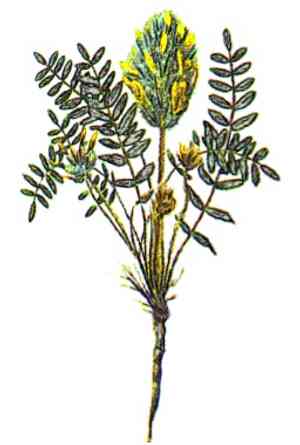
Recognized for its fragile, feather-like foliage and groupings of violet blossoms, widow's milkvetch thrives with trimming in late winter or early spring, right before fresh development commences. Snip off any lifeless or injured stalks to encourage robust growth and eliminate congested limbs to enhance air movement. Consistent trimming boosts its general strength and aids in preserving an attractive form. Exercise care to avoid excessive pruning, as this can cause distress to the plant. Utilizing sharp, sanitized implements reduces the likelihood of illness.
What Are the Benefits of Pruning Widow's Milkvetch?
What Are the Benefits of Pruning Widow's Milkvetch?
Widow's milkvetch: Trimming promotes robust development and maintains an ideal form. This action also aids in managing the size of widow's milkvetch, ensuring vigorous growth and resistance to pests. Regular trimming prevents congestion, leading to improved air circulation and reduced disease risk.
What Is the Best Time for Pruning Widow's Milkvetch?
What Is the Best Time for Pruning Widow's Milkvetch?
Trimming or cutting back widow's milkvetch in late winter or early spring is optimal as these periods align with the plant's dormant phase ending. Pruning then encourages healthy growth as the plant prepares for its active season. Additionally, these times precede the blooming period, allowing widow's milkvetch to develop new shoots and maximize its flowering potential. Avoiding pruning during active growth and flowering ensures the plant's energy is directed towards producing flowers and fruit, rather than recovering from cuts.
What Tools Do I Need to Prune Widow's Milkvetch?
Hand Pruners
Crucial for precise cuts on small stems and branches of widow's milkvetch, ensuring clean cuts that encourage healthy regrowth.
Bypass Pruners
Perfect for trimming live branches, providing a cleaner cut that minimizes harm and helps prevent illness.
Pruning Shears
Useful for shaping the plant and removing dead or unwanted growth, maintaining the aesthetic and health of widow's milkvetch.
Loppers
Suitable for cutting thicker branches that smaller tools cannot manage, ensuring effective and clean trimming.
Gloves
Essential for protecting hands from thorns or rough surfaces while pruning widow's milkvetch.
How to Prune Widow's Milkvetch
Identify
Examine widow's milkvetch to locate any diseased or shriveled leaves. These parts can be identified by discoloration, wilting, or spots.
Tools
Utilize sterilized pruning shears to prevent the spread of pathogens. Ensure the blades are sharp for clean cuts.
Diseased leaves
Remove diseased leaves by cutting them at their base where they connect to the stem. Dispose of them properly to prevent contamination.
Withered leaves
Clip off withered leaves at the base, similar to diseased leaves. Be careful not to harm healthy parts of widow's milkvetch.
Disposal
Discard all trimmed parts, including diseased and withered leaves, by burning or placing them in a sealed plastic bag to prevent disease spread.
Common Pruning Mistakes with Widow's Milkvetch
Improper technique
Using dull or unsuitable tools can harm the plant, impeding its ability to heal and grow correctly.
Over-pruning
Removing too much foliage at once can stress widow's milkvetch, leading to poor health and reduced flowering.
Pruning at the wrong time of day
Trimming during the hottest part of the day can stress the plant more than necessary.
Poor sanitation
Not cleaning pruning tools before and after use can introduce diseases to widow's milkvetch.
Random cuts
Making cuts without a clear strategy can ruin the natural shape and structure of widow's milkvetch.
Common Pruning Tips for Widow's Milkvetch
Use sharp tools
Ensure your pruning shears or scissors are sharp to make clean cuts, which help the plant heal faster.
Sanitize tools
Disinfect your pruning tools with alcohol or a bleach solution before and after use to prevent disease transmission.
Remove dead or damaged parts
Focus on cutting off any dead or damaged stems and branches to promote healthy growth.
Prune lightly
Remove only the necessary parts and avoid taking off too much foliage at once to minimize plant stress.
Cut at an angle
Make your cuts at a slight angle to prevent water accumulation on the cut surface, which can lead to rot.



