How to Prune Purple milk-vetch?
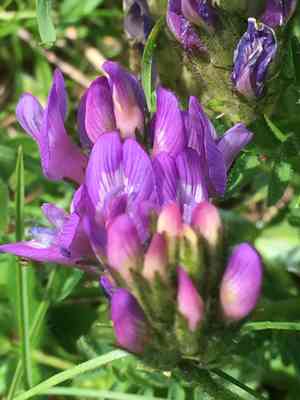
A perennial herbaceous legume, purple milk-vetch thrives in adequately drained earth and sun-drenched spots, displaying vivid violet blossoms. Trim directly following flowering to stimulate development and preserve the plant's form. The perfect time for trimming is in late spring or early summer, coinciding with the period after blooming. Removing faded flowers encourages more blooms and prevents undesired self-propagation. Cutting back to robust stems improves the plant's well-being. Consistent trimming provides the added benefit of revitalizing purple milk-vetch's general vigor.
Advantages of Trimming Purple Milk-vetch
Advantages of Trimming Purple Milk-vetch
Trimming purple milk-vetch boosts its vitality, fostering robust new development. Regular cutting aids in maintaining a compact, attractive form, essential for managing space and enhancing garden aesthetics.
Optimal Period for Trimming Purple Milk-vetch
Optimal Period for Trimming Purple Milk-vetch
Trimming or cutting purple milk-vetch in late spring and early summer aligns with its natural growth cycle after blooming, allowing it to conserve energy for the subsequent season. These periods are ideal because purple milk-vetch has just finished its flowering phase, typically in early spring. By late spring, the danger of frost has passed, minimizing plant stress and damage. Early summer pruning ensures that seed development from the flowers is not interrupted, which could otherwise impact the plant's reproductive capacity. This timing also enables gardeners to shape the plant and control its size before its peak vegetative growth in summer, thus not harming its health or vigor. Pruning during these optimal times also helps prevent diseases and pests that are more active later in the season by removing potentially affected areas early.
Tools Required for Trimming Purple Milk-vetch
Hand Pruners
Perfect for cutting stems and small branches on purple milk-vetch, hand pruners deliver clean cuts without harming the plant. Opt for bypass pruners for precision and anvil pruners for dead wood.
Pruning Shears
Best for shaping purple milk-vetch and managing its spread. Shears allow for neat trimming without damaging nearby growth.
Gloves
Though not a cutting tool, gloves safeguard your hands when trimming purple milk-vetch, which might have thorny foliage or stems.
How to Trim Purple Milk-vetch
Sanitize tools
Clean and sterilize pruning shears before use to prevent disease transmission to purple milk-vetch.
Remove diseased leaves
Carefully snip off diseased leaves at their base, ensuring no damage to new growth or healthy tissue on purple milk-vetch.
Trim withered leaves
Remove withered leaves by cutting them back to the nearest healthy stem, improving the overall health and look of purple milk-vetch.
Cut diseased stems
Identify and cut back diseased stems to a healthy section, using angled cuts to promote healing and prevent water accumulation on purple milk-vetch.
Clean up
Dispose of all removed plant material away from purple milk-vetch to reduce reinfection risk and maintain a tidy environment.
Common Trimming Errors with Purple Milk-vetch
Excessive pruning
Cutting back too much of purple milk-vetch's foliage can weaken the plant, reducing its vigor and bloom potential. Purple milk-vetch only needs light pruning to shape and remove dead or weak growth.
Incorrect cut placement
Trimming purple milk-vetch too far above a leaf node or bud can result in unsightly stubs that impede the plant's natural growth and can become entry points for pests and diseases.
Using dull tools
Employing dull or dirty pruning tools can cause damage and jagged cuts, making purple milk-vetch more vulnerable to infections.
Trimming live flowers
Removing live flowers during pruning can significantly diminish purple milk-vetch's blooming display. Only prune after flowering to avoid this error.
Shearing
Using shearing methods, rather than selective hand pruning, can lead to a less natural appearance and harm purple milk-vetch's structure and flowering prospects.
General Trimming Advice for Purple Milk-vetch
Sanitize tools
Before trimming purple milk-vetch, ensure all tools are clean and sharp to make clean cuts that heal quickly, reducing disease risk.
Selective pruning
Perform selective pruning to remove only dead, diseased, or weak stems, which helps purple milk-vetch conserve energy and encourages robust growth and flowering.
Cut angle
Make cuts at a 45-degree angle just above a leaf node or bud to promote effective healing and new growth in the desired direction.
Natural shape
Trim purple milk-vetch according to its natural shape, avoiding over-formalizing its appearance, to maintain the plant’s structural integrity and aesthetic.
Post-flowering
Since purple milk-vetch blooms on the previous year’s growth, trim it shortly after it finishes flowering to shape the plant while preserving the next season’s blooms.



