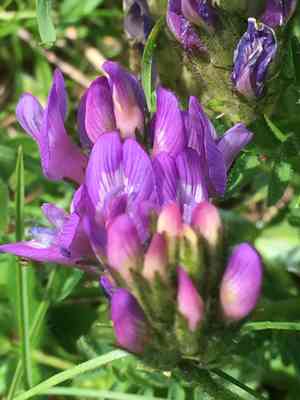
Purple milk-vetch (Astragalus danicus)
Also known as: Purple Milk-vetch, Purple Astragalus
Clover is a common plant found worldwide and often eaten by cows. According to English legend, cows that graze on clover are believed to produce more milk.
In This Article
Attributes of Purple milk-vetch
Lifespan
Perennial
Plant Type
Herb
Plant Height
30 cm
Spread
20-40 cm
Leaf Color
Green
Flower Size
1.5 cm to 1.8 cm
Flower Color
Purple Pink
Images of Purple milk-vetch
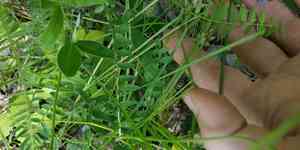

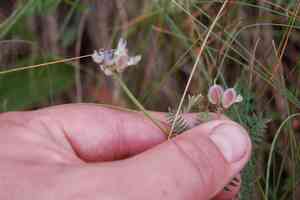
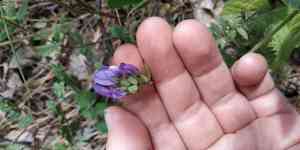
Quickly Identify Purple milk-vetch
1
Astragalus danicus can be identified by its compound leaves with multiple pairs of leaflets, its vibrant purple flowers that form in dense clusters, and its hairy, hollow stems. The flowers are typically butterfly-shaped, which is characteristic of many leguminous plants.
Scientific Classification of Purple milk-vetch
Phylum
Vascular plants
Class
Dicotyledons
Order
Fabales
Family
Legume
Genus
Milkvetch
Species
Purple milk-vetch
Planting and Growing of Purple milk-vetch
Care Difficulty
Easy
Watering Schedule
Every 2 days
Sunlight Requirements
Full sun
Sunshine Duration
6-12 hours
Ideal Temperature
60-75℉
Soil Type
Potting Mix, Peat Mix
Soil pH
6.5-7.5
Fertilizer Type
Balanced
Pruning Season
Spring, Summer
Pruning Area
Branches, Leaves
Pruning Frequency
2 times a year
Repotting Season
Spring
Pot Type
Plastic, Ceramic
 How to Water Purple milk-vetch?
For Astragalus danicus, watering should be consistent but measured. Ensure the soil is moist but not waterlogged; the plant prefers drier conditions over soggy soil. Use approximately 250 ml of water per instance, focusing on making the soil evenly moist to a depth of about an inch, allowing any excess water to drain away from the roots to prevent rot.
What are the symptoms of an underwatered Purple milk-vetch?
›
What should I do if my Purple milk-vetch is not getting enough water?
›
What are the symptoms of an overwatered Purple milk-vetch?
›
How to save an overwatered Purple milk-vetch?
›
 What Are the Sunlight Requirements for Purple milk-vetch?
Preferring full sun, Astragalus danicus benefits from consistent sunlight exposure, supporting its health and blooming ability. Adequate sunlight maximizes photosynthesis, nutrient uptake, and resilience against pests.
Optimal Sun Exposure
›
Solution for Ideal Lighting
›
Effects of Ideal Light
›
 What Is the Ideal Temperature Range for Purple milk-vetch?
The ideal temperature range for Astragalus danicus growth is between 60°F and 75°F. These conditions favor active metabolism and photosynthesis, promoting healthy development. Keeping within this range ensures the plant's physiological processes such as nutrient uptake and water transport function optimally.
 What Soil is Best for Purple milk-vetch?
Astragalus danicus prefers soil that offers excellent drainage. This prevents waterlogging, which leads to root rot, ensuring the plant's roots can access necessary oxygen and nutrients efficiently. Providing a soil rich in organic matter helps Astragalus danicus thrive by offering essential nutrients. This supports robust growth and promotes vibrant flowering. The plant favors calcareous soils which are rich in calcium carbonate. This helps maintain their structural integrity and optimizes nutrient availability.
 How to Fertilize Purple milk-vetch?
For Astragalus danicus, it is generally recommended to use a balanced fertilizer at around one-quarter to half the strength suggested on the label. This ensures the plant receives adequate nutrients without risking root burn. For liquid fertilizers, use approximately 5 ml per liter of water. For solid fertilizers, opt for a light spread of about 100-150 grams around the base of the plant.
 How to Prune Purple milk-vetch?
Before you start, ensure all pruning tools are sharp and clean to prevent any diseases from being transmitted to Astragalus danicus. This is essential for a healthy prune. Look for any stems or foliage that appear brown, wilted, or unhealthy. Removing these parts prevents the spread of disease and provides room for new growth. Trim back overgrown sections to maintain the plant's shape and ensure good air circulation. Proper airflow can prevent mildew and other problems.
More About Pruning Techniques→
 How to Propagate Purple milk-vetch plant?
1
For successful germination, soak Astragalus danicus seeds in warm water for 24 hours prior to planting. This helps to soften the seed coat, enhancing water absorption and speeding up germination.
2
Sow the seeds thinly in the prepared seed trays or pots, covering them with a thin layer of soil. Ensure they are placed in a location with consistent warm temperatures of around 20°C.
3
Keep the soil consistently moist but not waterlogged. Use a misting spray to water seeds gently. Covering with a plastic dome or bag can help maintain humidity levels suitable for germination.
 How to Repot Purple milk-vetch plant?
1
Watch for signs like outgrowing the current pot, roots growing through drainage holes, or soil that drains either too quickly or too slowly. These are strong indicators that it's time to repot Astragalus danicus for optimal growth.
2
Choose a pot that is one size larger than the current one, ideally with drainage holes to prevent waterlogging. The increased space will allow roots to expand, promoting a healthier and more robust plant.
3
Use sandy loam that drains well, avoiding heavy soils that retain too much moisture. This kind of soil mimics its natural habitat, ensuring the roots receive enough oxygen and the plant maintains its vigor.
Learn More About Purple milk-vetch Diseases
Anthracnose
Bacterial Leaf Spot
Bacterial Wilt
Crown Gall
Cyst Nematode
Damping-off
Downy Mildew
Drought Stress
Fusarium Wilt
Gray Mold
Leaf Spot
Mosaic
Nutrient Deficiency
Nutrient Toxicity
Powdery Mildew
Root Rot
Root-knot Nematode
Rusts
Sooty Mold
Spider Mites
Temperature Stress
Thrips Damage
White Mold



