How to Prune Aster diplostephioides?
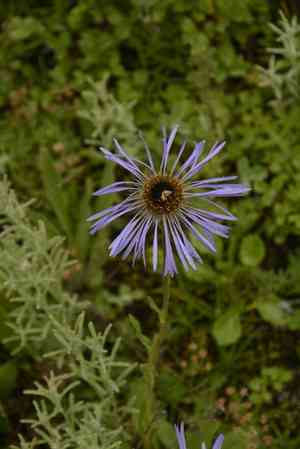
Aster diplostephioides stands out due to its vivid flowers and adaptability across diverse cultivation environments. Trimming ought to be performed in the early spring to eliminate deceased or compromised stalks and foster robust development. Undertaking minor pruning during the summer period can stimulate increased blossoming. It is crucial to employ sanitized, keen implements for making accurate incisions directly above a foliar joint. Consistent trimming improves air movement, diminishes the likelihood of ailments, and preserves the plant's form and vitality.
What Are the Benefits of Pruning Aster Diplostephioides?
What Are the Benefits of Pruning Aster Diplostephioides?
Pruning aster diplostephioides encourages robust development by eliminating dead material and fostering new shoots. It maintains desired form, prevents crowding, and boosts blooming. Regular trimming lowers pest and disease risks, ensuring healthier, attractive plants.
What Is the Best Time for Pruning Aster Diplostephioides?
What Is the Best Time for Pruning Aster Diplostephioides?
Trimming or cutting aster diplostephioides in spring is considered ideal as it aligns with the plant's active growth phase. This timing allows for rapid healing and promotes strong new growth. Additionally, early summer pruning can help manage the plant's form and size, and improve its overall health and flowering. These periods avoid the stress of extreme cold or heat, which can negatively affect the plant.
What Tools Do I Need to Prune Aster Diplostephioides?
Hand Pruners
Perfect for making clean cuts on small stems and branches up to 1/4 inch thick. They enable precise cuts, crucial for maintaining the health and shape of aster diplostephioides.
Bypass Pruners
These pruners create cleaner cuts and are better suited for the delicate stems of aster diplostephioides. Bypass pruners are less likely to crush plant tissue.
Pruning Shears
Useful for trimming dead or diseased foliage and general shaping of aster diplostephioides. They can handle thicker branches that hand pruners might struggle with.
Floral Snips
Ideal for deadheading flowers and precise trimming of the smaller growth of aster diplostephioides. Their pointed tips allow for careful cutting without harming nearby growth.
A Sharp Knife
A sharp, clean knife can be utilized for detailed tasks such as removing dead leaves or stems close to the base without damaging the plant.
Disinfectant
Crucial for sanitizing tools between cuts to prevent disease spread. This maintains the overall health of aster diplostephioides.
How to Prune Aster Diplostephioides
Assessment
Start by carefully inspecting aster diplostephioides for signs of diseased, withered leaves, and unhealthy stems. This step ensures you identify all areas needing attention.
Equipment
Ensure your pruning shears or scissors are clean and sharp. Cleaning the tools helps prevent the spread of disease.
Remove Diseased Leaves
First, trim away any diseased leaves. Cut back to healthy tissue, making clean cuts just above a leaf node or junction to promote healing.
Remove Withered Leaves
Next, remove withered leaves by cutting them off at their base. This helps the plant conserve energy and improves its overall appearance.
Remove Diseased Stems
Finally, prune any diseased stems back to healthy tissue. Make cuts at an angle just above a node or branch junction to facilitate proper healing and regrowth.
Common Pruning Mistakes with Aster Diplostephioides
Improper technique
One of the most frequent errors is using incorrect pruning methods. Wrong cutting angles and positions can harm the plant and hinder healthy development. Cuts should be made just above a bud or node, at a slight angle to prevent water from collecting on the cut surface.
Over-pruning
Another common error is excessive pruning. Removing too much foliage can stress aster diplostephioides, reducing its ability to photosynthesize and weakening the plant. It's vital to prune conservatively, removing no more than one-third of the plant's total growth at a time.
Neglecting to clean tools
Using dirty or dull pruning tools is a common oversight. This can introduce diseases and create jagged cuts that are harder for aster diplostephioides to heal. Always clean and sharpen your tools before making cuts.
Incorrect timing
Timing errors, such as pruning at the wrong growth stage, can impede flowering and overall plant health. Pruning at inappropriate times can damage new growth or remove flower buds.
Common Pruning Tips for Aster Diplostephioides
Use sharp tools
Always use sharp, clean pruning tools. This ensures precise cuts and reduces the risk of disease. Sterilize tools with alcohol or bleach solution between uses to maintain cleanliness.
Inspect the plant
Before pruning, thoroughly inspect aster diplostephioides to identify any dead, diseased, or damaged stems. Removing these first helps keep the plant healthy and directs its energy towards new growth.
Prune for shape
When pruning, aim to maintain the natural shape of aster diplostephioides. This not only keeps the plant aesthetically pleasing but also ensures good air circulation, which can prevent disease.
Remove crossing branches
Remove any crossing or rubbing branches. These can create wounds that are entry points for pests and diseases. Clear out the center of the plant to allow light and air to reach inner branches.
Pinch back growth
To promote bushier growth, pinch back the tips of new shoots. This encourages aster diplostephioides to produce more side branches and can enhance flowering.
Water after pruning
Water aster diplostephioides thoroughly after pruning. This helps it recover from the stress of being cut and supports new growth.



