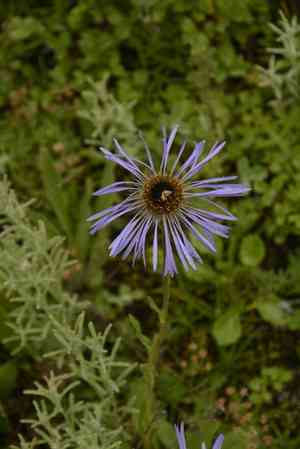
Aster diplostephioides (Aster diplostephioides)
Also known as: None
Aster diplostephioides is a hardy perennial known for its clump-forming growth. It prospers in alpine and subalpine regions, with lance-shaped leaves and a robust root system tailored to endure tough conditions. Blooming from late summer to early autumn, it showcases striking lavender to pink flowers with a yellow center, resembling daisy-like asters. These vibrant blooms attract essential pollinators, crucial for thriving in the sparse, high-altitude landscapes.
In This Article
Attributes of Aster diplostephioides
Lifespan
Perennial
Plant Type
Herb
Plant Height
10-40 cm
Spread
N/A
Leaf Color
Green
Flower Size
2-5 cm
Flower Color
Purple, White
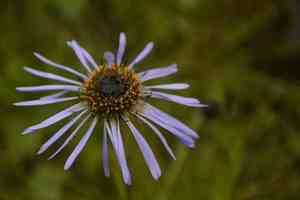
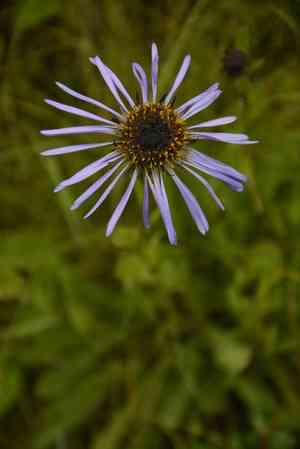
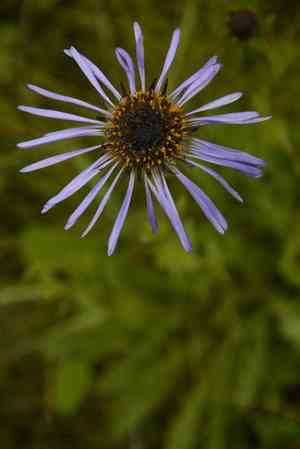
Images of Aster diplostephioides
Quickly Identify Aster diplostephioides
1
Look for daisy-like flowers with purple or white petals and a yellow center. The leaves are typically lance-shaped and alternately arranged on the stem.
Scientific Classification of Aster diplostephioides
Phylum
Vascular plants
Class
Dicotyledons
Order
Asterales
Family
Daisy
Genus
Asters
Species
Aster diplostephioides
Planting and Growing of Aster diplostephioides
Care Difficulty
Moderate
Watering Schedule
Every 2 days
Sunlight Requirements
Full sun
Sunshine Duration
6-10 hours
Ideal Temperature
60-75℉
Soil Type
Potting Mix, Peat Mix
Soil pH
6.5-7.5
Fertilizer Type
Balanced
Pruning Season
Spring, Summer
Pruning Area
Branches, Leaves
Pruning Frequency
2 times a year
Repotting Season
Spring
Pot Type
Plastic, Ceramic
 How to Water Aster diplostephioides?
Aster diplostephioides prefers moderate watering. Ensure the soil is moist but not waterlogged. Aim for about 500 ml each time, keeping the soil evenly damp without creating pools of water.
What are the symptoms of an underwatered Aster diplostephioides?
›
What should I do if my Aster diplostephioides is not getting enough water?
›
What are the symptoms of an overwatered Aster diplostephioides?
›
How to save an overwatered Aster diplostephioides?
›
 What Are the Sunlight Requirements for Aster diplostephioides?
For optimal health, place Aster diplostephioides in a position where it receives full sun exposure for approximately 5 to 7 hours daily. This setup supports its flowering cycle and overall vitality.
What is the ideal lighting setup?
›
How can one achieve optimal light exposure?
›
What benefits arise from ideal lighting?
›
 What Is the Ideal Temperature Range for Aster diplostephioides?
The optimal temperature range for Aster diplostephioides to thrive is between 60°F and 75°F. This temperature range ensures that the plant receives adequate warmth without being stressed by excessive heat.
 What Soil is Best for Aster diplostephioides?
Aster diplostephioides thrives in well-drained soils that prevent waterlogging. Adequate drainage avoids root rot and promotes healthy growth, allowing the plant to establish itself robustly in its growing environment. This plant prefers soil that is rich in organic matter. Nutrient-rich conditions support vigorous growth and blooming, ensuring that the Aster diplostephioides displays its characteristic vibrant flowers. Moderate soil fertility is ideal for Aster diplostephioides. While abundant nutrients are beneficial, overly rich soil can lead to excessive foliage at the expense of flowers, thus a balanced approach is important.
 How to Fertilize Aster diplostephioides?
Aster diplostephioides, a resilient perennial, appreciates a balanced supply of nutrients for optimal growth. Typically, liquid fertilizers should be diluted to half strength to prevent root burn. Applying approximately 100-150 ml per application ensures that the plant receives an adequate nutrient boost without overwhelming its system.
 How to Prune Aster diplostephioides?
Begin by sterilizing your pruning shears to prevent disease spread. Start pruning in early spring by removing any dead or damaged stems, cutting back to the healthy parts. Lightly shape the plant to encourage a fuller growth. In autumn, perform a light trim to remove spent flowers and maintain the plant’s shape.
More About Pruning Techniques→
 How to Propagate Aster diplostephioides plant?
1
Collect seeds from mature Aster diplostephioides flowers. Dry them adequately before sowing to enhance germination success.
2
Use sterilized pruning shears to cut healthy stems approximately 10 cm long. Remove the lower leaves to prepare the cuttings for rooting.
3
Divide the root ball by slicing through the clumps of roots. Ensure each division has sufficient roots attached to rejuvenate the plant effectively.
 How to Repot Aster diplostephioides plant?
1
Aster diplostephioides needs repotting when roots start to emerge from drainage holes, indicating root-bound conditions. Also, a decline in growth or routine watering causing water logging is a sign. Generally, spring and early summer are ideal times when the plant is actively growing.
2
Choose a pot that is 1-2 inches larger in diameter than the current one. This allows enough space for growth without overwhelming the plant. A pot with sufficient drainage holes is essential to prevent water retention and root rot in Aster diplostephioides.
3
Opt for a well-draining potting mix with a balance of organic material and perlite. This prevents soil compaction and ensures aeration, allowing roots to breathe and grow effectively, providing the ideal foundation for Aster diplostephioides.
Toxicity
None
WARNING
The judgment on toxicity and danger is for reference only. We DO NOT GUARANTEE any accuracy of such judgment. Therefore, you SHALL NOT rely on such judgment. It is IMPORTANT TO SEEK PROFESSIONAL ADVICE in advance when necessary.
Learn More About Aster diplostephioides Diseases
Anthracnose
Bacterial Leaf Spot
Bacterial Wilt
Chemical Injury
Crown Gall
Cyst Nematode
Damping-off
Downy Mildew
Drought Stress
Fusarium Wilt
Gray Mold
Leaf Spot
Mosaic
Nutrient Deficiency
Nutrient Toxicity
Powdery Mildew
Root Rot
Root-knot Nematode
Rusts
Sooty Mold
Spider Mites
Temperature Stress
Thrips Damage
White Mold



