How to Prune Pua'akuhinia?
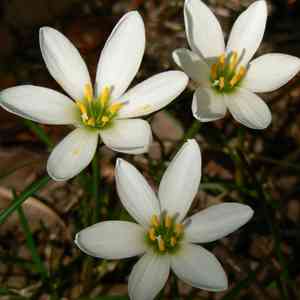
Pua'akuhinia is recognized for its impressive leaves and benefits from trimming in early spring or late winter. Concentrate on eliminating withered or compromised foliage to foster more robust development. Reduce density in congested sections to boost air movement and light exposure. Refrain from severe cutting, as this can cause strain to the plant. Consistent trimming improves its vibrant look and diminishes pest problems. Verify that instruments are sanitized to avert the spread of illness.
What Are the Benefits of Pruning Pua'akuhinia?
What Are the Benefits of Pruning Pua'akuhinia?
Pua'akuhinia thrives with trimming, which encourages strong development and preserves its form. Regular cutting helps manage its dimensions, improves its overall look, and lowers the chance of pest and disease problems.
What Is the Best Time for Pruning Pua'akuhinia?
What Is the Best Time for Pruning Pua'akuhinia?
Pua'akuhinia should be trimmed in early spring or late winter as these periods coincide with its dormant state, reducing plant stress. Pruning then fosters healthier growth as the plant enters its active cycle. It also ensures you avoid disrupting flowering or fruiting, which primarily occur later in the year. Performing pruning during these optimal seasons allows for effective removal of dead or damaged growth, enhancing pua'akuhinia's overall health and appearance. Additionally, this timing helps manage the plant's size and structure before its vigorous growth phase begins.
What Tools Do I Need to Prune Pua'akuhinia?
Hand Pruners
Perfect for snipping small, dead, or damaged leaves and stems near the base of pua'akuhinia. They offer accurate cuts, helping to maintain the plant's aesthetic appeal.
Long-reach Pruners
Useful for accessing dense foliage of pua'akuhinia without harming other plant parts. They assist in maintaining shape and ensuring uniform growth.
Pruning Shears
Suitable for cutting slightly thicker stems and for light trimming of pua'akuhinia. Ensures a clean cut that promotes healthy regrowth.
Garden Scissors
Excellent for finer tasks like trimming spent flower stalks and tidying smaller leaves. Versatile and easy to maneuver within pua'akuhinia's dense foliage.
Pruning Knife
Effective for precise cuts on thicker stems and roots if needed. Ensures minimal damage and promotes quick healing for pua'akuhinia.
How to Prune Pua'akuhinia
Inspection
Examine the foliage to identify diseased or withered leaves. Look for discoloration, spots, or shriveling.
ToolPreparation
Prepare sharp, sterilized pruning shears to prevent disease spread and ensure clean cuts.
CutDiseasedLeaves
Carefully trim off diseased leaves by cutting at the base near the stem, ensuring not to damage healthy parts of pua'akuhinia.
RemoveWitheredLeaves
Prune withered leaves by cutting them at the base. Make sure to remove any that have lost color or structure.
Disposal
Dispose of pruned leaves properly to prevent disease spread. Do not compost diseased leaves.
Common Pruning Mistakes with Pua'akuhinia
Over-pruning
Removing too many leaves or stems at once can stress pua'akuhinia, hindering its ability to photosynthesize and recover from the pruning session.
Improper technique
Using dull or dirty tools can damage plant tissues, making it susceptible to diseases. It's crucial to use sharp and clean pruning shears or scissors.
Pruning at wrong angles
Cutting stems at incorrect angles can harm pua'akuhinia by exposing more surface area to pests and diseases. Always aim for a clean, angled cut to promote healing.
Ignoring dead or diseased parts
Failing to remove dead or diseased leaves and stems can lead to the spread of infections throughout the plant.
Common Pruning Tips for Pua'akuhinia
Use sharp tools
Ensure your pruning tools are sharp and clean to make precise cuts without damaging plant tissue. This practice helps prevent infections.
Remove dead foliage
Regularly inspect pua'akuhinia for dead or yellowing leaves and remove them promptly to maintain the plant's overall health.
Prune selectively
Focus on removing weak, leggy, or crossing stems to encourage air circulation and light penetration without over-pruning.
Promote shape and structure
Prune strategically to maintain the natural shape and structure of pua'akuhinia, allowing it to grow robustly and evenly.



