How to Propagate Pua'akuhinia?
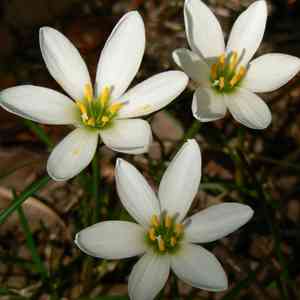
Pua'akuhinia, a tropical perennial indigenous to Hawaii, is recognized for its distinctive silver-green leaves. The most effective propagation method is division, ensuring that every segment possesses both roots and new growth. Employ a growing medium with good drainage and maintain consistent moisture for the divisions until they are well-rooted. Providing partial shade mimics its native environment, fostering development. Consistent irrigation and periodic nutrient application boost its vitality. Refrain from excessive watering to avert root decay.
When Is the Best Time to Multiply Pua'akuhinia?
Propagation Method
Division
Propagation Period
Spring,Autumn
What Tools Are Used for Pua'akuhinia Propagation?
Spade
A spade is crucial for carefully excavating and lifting the pua'akuhinia clump from the ground. A sharp, clean spade minimizes root damage during removal, vital for the plant's health and survival.
Garden Fork
A garden fork assists in gently loosening and separating roots when dividing the pua'akuhinia clump. It effectively teases apart the root mass with minimal harm, ensuring each division has healthy roots.
Pruning Shears
Pruning shears are used to trim any damaged or overly long roots before replanting pua'akuhinia divisions. Clean cuts reduce infection risk and promote healthy regrowth.
Rooting Hormone
Applying rooting hormone to cut or divided pua'akuhinia sections can boost root development and increase successful propagation. This is especially beneficial for quicker establishment of new plants.
Watering Can
Consistent and gentle watering is necessary after planting pua'akuhinia divisions. A watering can allows controlled irrigation, keeping new divisions moist without waterlogging.
Plant Label and Marker
Using plant labels and markers helps identify pua'akuhinia divisions after propagation. This is particularly useful for tracking propagation progress and ensuring correct care for each plant.
Compost or Potting Mix
High-quality compost or potting mix provides essential nutrients and proper drainage for newly divided pua'akuhinia plants. This encourages strong growth and establishment in their new location.
How to Propagate Pua'akuhinia?
Propagation Type
Easy
How to Nurture Your Newly Propagated Pua'akuhinia?
How to Nurture Your Newly Propagated Pua'akuhinia?
Once pua'akuhinia has been propagated and established, continue its care by maintaining consistent watering, ensuring it doesn't dry out, especially during initial growth. Provide adequate light, preferably partial shade to filtered sunlight, mimicking its natural environment. Use a well-draining soil mix, and consider mulching around the base to retain moisture and suppress weeds. Periodically check for pests or diseases and remove any dead or damaged foliage. Fertilize lightly during the growing season with a balanced, slow-release fertilizer to encourage robust growth.
Common Errors to Avoid When Propagating Pua'akuhinia
Overwatering
Excessive irrigation can lead to root rot, which is detrimental to pua'akuhinia's health and propagation success.
Incorrect Soil Mix
Using an unsuitable soil mix, such as one with poor drainage, can negatively impact root development.
Insufficient Light
Providing inadequate light can hinder growth and impede the rooting process.
Wrong Propagation Method
Employing inappropriate propagation techniques can result in a low success rate.
Poor Sanitation
Lack of cleanliness can introduce diseases and pests, which can be harmful to pua'akuhinia.
Advice For Propagating Pua'akuhinia
Well-Draining Soil
Ensure the use of a soil mixture that provides good drainage to prevent root rot and promote healthy growth.
Moderate Watering
Water consistently but moderately, keeping the soil moist but not saturated.
Adequate Light
Provide bright, indirect light to support photosynthesis and vigorous growth.
Proper Method
Utilize propagation techniques such as division; ensure each division has a healthy root system and shoots.
Clean Tools
Sterilize cutting tools and containers to prevent the spread of diseases and pests.



