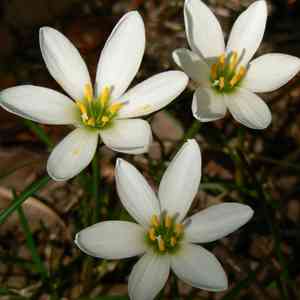
Pua'akuhinia (Astelia menziesiana)
Also known as: Mountain Astelia
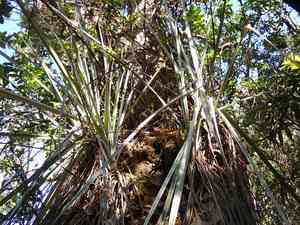
Pua'akuhinia is well-suited to understory habitats in native forests due to its clumping growth pattern and distinctive silver-green, sword-shaped leaves, which form a tufted look. Its modest yet attractive inflorescences emerge from the center, showcasing its adaptation to low-light environments. This plant's ability to flourish on moist soils and its unique foliage are primary characteristics that support its survival and success in these shaded forest areas.
In This Article
Attributes of Pua'akuhinia
Lifespan
Perennial
Plant Type
Herb, Succulent
Plant Height
50-100 cm
Spread
50-100 cm
Leaf Color
Silver-green
Flower Size
Less than 1 cm
Flower Color
Greenish
Images of Pua'akuhinia
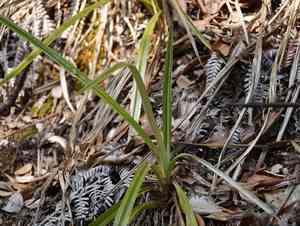
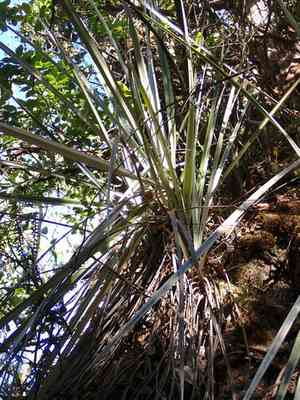
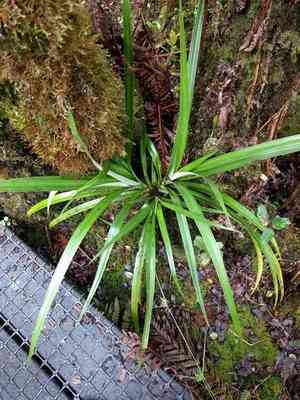
Quickly Identify Pua'akuhinia
1
Identify Astelia menziesiana by its distinctive silver-green, sword-shaped leaves that grow in dense clumps. Look for small, inconspicuous flowers and red or orange berries which are typically hidden within the foliage.
Scientific Classification of Pua'akuhinia
Phylum
Vascular plants
Class
Monocotyledons
Order
Asparagales
Family
Astelia
Genus
Astelia
Species
Pua'akuhinia
Planting and Growing of Pua'akuhinia
Care Difficulty
Moderate
Watering Schedule
Every 2 days
Sunlight Requirements
Partial sun
Sunshine Duration
4-8 hours
Ideal Temperature
60-75℉
Soil Type
Potting Mix, Peat Mix
Soil pH
6.5-7.5
Fertilizer Type
Balanced
Pruning Season
Spring, Summer
Pruning Area
Branches, Leaves
Pruning Frequency
2 times a year
Repotting Season
Spring
Pot Type
Plastic, Ceramic
 How to Water Pua'akuhinia?
The Astelia menziesiana requires approximately 250 milliliters of water per session. It's essential to water until the soil is consistently moist but not oversaturated. Check the dryness of the top 2-3 inches of soil before each watering, ensuring it feels moderately dry before adding more water.
What are the symptoms of an underwatered Pua'akuhinia?
›
What should I do if my Pua'akuhinia is not getting enough water?
›
What are the symptoms of an overwatered Pua'akuhinia?
›
How to save an overwatered Pua'akuhinia?
›
 What Are the Sunlight Requirements for Pua'akuhinia?
Astelia menziesiana thrives in partial sun. This range ensures balanced light, nurturing its growth without the risk of leaf scorch, sustaining its lush, green appearance while promoting healthy metabolic processes.
Understanding Astelia menziesiana's Light Needs
›
Solutions for Ideal Lighting
›
Benefits of Ideal Light
›
 What Is the Ideal Temperature Range for Pua'akuhinia?
Astelia menziesiana thrives in a mild climate with temperatures ranging from 60°F to 75°F. This allows the plant to maintain optimal physiological processes without stressing its systems. Temperature stability is vital for leaf development and overall health.
 What Soil is Best for Pua'akuhinia?
Astelia menziesiana thrives in well-drained soils as it prevents root rot and promotes healthy root growth. Ensuring that water doesn't pool at the roots is crucial for its health, thus sandy loam and loam are ideal. This plant benefits from nutrient-rich soils, which support its vibrant foliage and overall vigor. Adding organic matter like compost can significantly enhance soil fertility, promoting lush growth. While Astelia likes well-drained soil, it also requires some moisture retention. A soil that maintains a balance between drainage and moisture can help ensure the plant remains hydrated without being waterlogged.
 How to Fertilize Pua'akuhinia?
Astelia menziesiana thrives with moderate amounts of nutrients. For this plant, it's best to aim for a balanced fertilizer application. When using liquid fertilizer, dilute it to half-strength to prevent root burn. A suitable dosage would be approximately 200 ml of diluted solution per application. For slow-release fertilizers, follow the package instructions, typically around 20 grams per application spread evenly over the root zone.
 How to Prune Pua'akuhinia?
Begin by assessing your Astelia menziesiana to identify which leaves need removal. Look for leaves that are yellowing, damaged, or dead. Use a clean, sharp pair of scissors or pruning shears to make cuts close to the base of the affected leaves. Be careful not to damage the healthy parts of the plant. Collect all removed leaves and other debris. Dispose of them properly to prevent any potential pests or diseases from affecting your garden.
More About Pruning Techniques→
 How to Propagate Pua'akuhinia plant?
1
Collect seeds from a mature Astelia menziesiana plant when they are ripe. Clean the seeds and sow them on the surface of a seed tray filled with a well-draining seed mix. Lightly cover with a thin layer of soil and mist with water.
2
Place the seed trays in an area with indirect light and maintain a warm, humid environment. Keep the soil consistently moist but not waterlogged. Seedlings should emerge in 4-6 weeks, at which point they can be gradually exposed to more light.
3
For division propagation, carefully dig up a mature plant and use a sharp knife or spade to divide it into sections, ensuring each section has roots. Plant the divisions in pots with a well-draining potting soil and water thoroughly after planting.
 How to Repot Pua'akuhinia plant?
1
Astelia menziesiana signals the need for repotting when roots start crowding around drainage holes or growth slows noticeably. Ideally, repot during its active growth season in spring or summer when the plant more effectively establishes in new soil.
2
Select a pot that is one size larger than the current one, ensuring it has ample drainage holes. Proper drainage is crucial to avoid water stagnation, which can lead to root rot. The right pot supports healthy root expansion and stability for the towering foliage of Astelia menziesiana.
3
Opt for a well-draining loamy mix to maintain the perfect balance of moisture retention and drainage. This type of soil supports robust root health by preventing water-logged conditions, crucial for Astelia, which thrives in moderately moist conditions.
Learn More About Pua'akuhinia Diseases
Anthracnose
Bacterial Leaf Spot
Bacterial Soft Rot
Bacterial Wilt
Crown Gall
Cyst Nematode
Damping-off
Downy Mildew
Drought Stress
Fusarium Wilt
Gray Mold
Leaf Curl
Leaf Spot
Mosaic
Nutrient Deficiency
Nutrient Toxicity
Powdery Mildew
Root Rot
Root-knot Nematode
Rusts
Sooty Mold
Spider Mites
Temperature Stress
Thrips Damage
White Mold



