How to Prune Asplenium lamprophyllum?
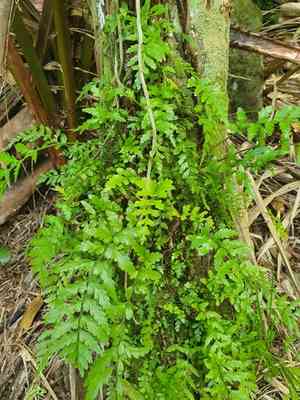
Asplenium lamprophyllum is recognized for its vibrant, perennial foliage and refined look. Trimming ought to occur in early spring or late winter while the plant is inactive. Eliminate withered or compromised fronds to stimulate fresh development and preserve its form. Utilize sanitized, keen implements to avert illness. Pruning aids in enhancing air movement, thereby diminishing the likelihood of fungal problems. Consistently refrain from excessive trimming, as this can strain asplenium lamprophyllum and impede its inherent growth trajectory.
What Are the Benefits of Pruning Asplenium Lamprophyllum?
What Are the Benefits of Pruning Asplenium Lamprophyllum?
Asplenium lamprophyllum thrives with trimming, which encourages robust development and helps maintain its form. Regular trimming enhances its overall look, boosts resistance to pests and diseases, and supports healthier, stronger foliage.
What Is the Best Time for Pruning Asplenium Lamprophyllum?
What Is the Best Time for Pruning Asplenium Lamprophyllum?
Trimming or cutting asplenium lamprophyllum is best done in early spring and late winter. These times align with the plant's dormant phase or just before new growth begins. Late winter pruning allows for quick healing as the plant enters its active growth in spring. Early spring pruning addresses any winter damage and promotes strong growth during the growing season. These timings also avoid disrupting the plant's natural growth cycle and reduce disease and pest risks.
What Tools Do I Need to Prune Asplenium Lamprophyllum?
Bypass pruners
Perfect for making clean cuts on small stems and leaves, minimizing plant harm.
Pruning scissors
Useful for precise cuts on delicate leaves and small fronds, preserving the plant's aesthetic.
Sterilizing solution
Crucial for cleaning tools before use to prevent disease transmission.
How to Prune Asplenium Lamprophyllum
Preparation
Gather sanitized pruning shears and a container for removed leaves to prevent disease spread.
Inspection
Examine asplenium lamprophyllum closely for any signs of diseased or withered leaves, such as discolored, shriveled, or spotted foliage.
Trim Diseased Leaves
Carefully cut off any diseased leaves at their base. Dispose of these leaves in a sealed bag or container to avoid contamination.
Trim Withered Leaves
Remove withered leaves by cutting them at their base or where they meet healthy tissue. Be careful not to harm surrounding healthy foliage.
Clean Up
After trimming, clean the pruning shears with disinfectant to prevent spreading potential pathogens to other plants. Properly dispose of all pruned leaves.
Common Pruning Mistakes with Asplenium Lamprophyllum
Over-pruning
Removing too many fronds at once can stress asplenium lamprophyllum, leading to weakened growth and poor overall health.
Improper technique
Using dull or dirty tools can cause jagged cuts and increase the risk of infections or pests.
Ignoring dead or damaged fronds
Failing to remove dead or damaged fronds can invite diseases and pests to the plant.
Incorrect pruning position
Cutting too close to the base of healthy fronds can damage the plant's growth points.
Common Pruning Tips for Asplenium Lamprophyllum
Use clean, sharp tools
Always use clean, sharp pruning shears to make precise cuts and minimize the risk of disease.
Remove dead or damaged fronds
Start by removing any dead, yellowing, or damaged fronds to promote healthy growth and prevent disease.
Prune selectively
Only prune fronds that are necessary, such as those that are dead or damaged, to avoid over-pruning.
Cut at the right angle
Make clean cuts at a slight angle, just above the base of the frond, ensuring you don't damage adjacent healthy tissue.
Observe plant response
After pruning, monitor asplenium lamprophyllum's response to ensure it is recovering well and adjust future pruning practices accordingly.



