How to Propagate Asplenium lamprophyllum?
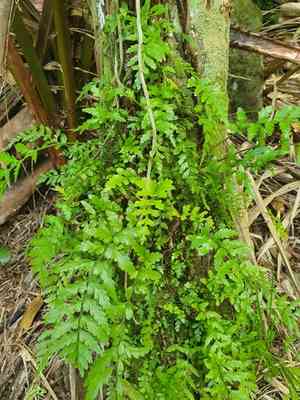
Asplenium lamprophyllum, an epiphytic fern, thrives in humid, dimly lit habitats. To achieve successful propagation, utilize the division method, making sure each section possesses sufficient rhizome and foliage for development. Uphold elevated humidity and steady dampness, avoiding excessive watering. Employ a substrate that drains effectively to aid in root development. Frequent misting assists in preserving the required moisture content.
Optimal Time for Asplenium Lamprophyllum Propagation?
Propagation Method
Division
Propagation Period
Spring,Autumn
Tools Required for Asplenium Lamprophyllum Propagation?
Sharp Knife or Garden Shears
A keen knife or quality garden shears are vital for dividing asplenium lamprophyllum without causing undue harm to the plant. They enable precise cuts through roots and rhizomes, minimizing stress and promoting rapid recovery and growth.
Potting Mix
A well-draining substrate is crucial for repotting the separated sections. For asplenium lamprophyllum, a mix formulated for ferns or tropical plants ensures the correct balance of moisture retention and air circulation.
Rooting Hormone
Applying a rooting hormone can encourage faster and stronger root development in the divided parts of asplenium lamprophyllum. This aids in establishing new plants more quickly and lessening the chance of transplant shock.
Watering Can with Fine Sprout
A watering can equipped with a fine spout allows for gentle irrigation, which is essential in the initial stages post-division. It prevents soil compaction and root disturbance, fostering better root establishment for asplenium lamprophyllum.
Plant Labels
Utilizing plant labels helps keep track of various asplenium lamprophyllum sections after division, especially with multiple separations. This assists in monitoring growth and individual plant care.
Plastic Bags or Humidity Domes
Covering newly potted divisions with plastic bags or placing them under humidity domes maintains elevated humidity levels, which benefits asplenium lamprophyllum as it adapts to its new surroundings and encourages quicker root growth.
Sterilizing Solution
A sterilizing solution for tools is indispensable to prevent disease transmission during the division process. Cleaning your knife or shears before and after cutting asplenium lamprophyllum ensures a healthy propagation procedure.
How to Propagate Asplenium Lamprophyllum?
Propagation Difficulty
Easy
Caring for Your Newly Propagated Asplenium Lamprophyllum?
Caring for Your Newly Propagated Asplenium Lamprophyllum?
After propagation, ensure high humidity and consistently moist, but not waterlogged, soil. Mist the fronds regularly if necessary to maintain moisture. Gradually introduce asplenium lamprophyllum to its new environment by slowly adjusting light and humidity levels over several weeks. Watch for signs of stress or illness, such as yellowing fronds or wilting, and modify care as needed.
Common Errors to Avoid When Propagating Asplenium Lamprophyllum
Overwatering
Excessive watering can lead to root rot, severely impacting asplenium lamprophyllum's health and hindering propagation success.
Inadequate Humidity
Insufficient humidity can cause the plant to dry out, making it difficult for new growth to take hold.
Using Heavy Soil
Dense or compacted soils can impede root growth and drainage, resulting in poor propagation outcomes.
Improper Light Conditions
Direct sunlight exposure or excessively low light can stress asplenium lamprophyllum, reducing its propagation effectiveness.
Neglecting Sanitation
Using unclean tools or containers can introduce pathogens, increasing the risk of disease during propagation.
Advice for Propagating Asplenium Lamprophyllum
Moisture Management
Maintain consistently damp but well-drained conditions to support robust root development.
Humidity Control
Employ a humidity dome or frequent misting to provide the high humidity that asplenium lamprophyllum prefers for successful propagation.
Light Conditions
Position in bright, indirect light to ensure optimal growth without risking sun damage.
Soil Choice
Utilize a light, well-aerated potting mix to encourage good air circulation and drainage.
Tool Sanitation
Sterilize all tools and containers prior to use to prevent disease transmission.



