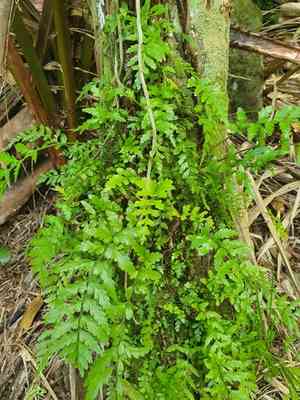
Asplenium lamprophyllum (Asplenium lamprophyllum)
Also known as: Shining Spleenwort
Asplenium lamprophyllum is a resilient fern that thrives in the dappled light of dense forests. Its fronds, a vibrant green with a glossy sheen, typically unfurl to display an elegant arch. Rhizomes anchor asplenium lamprophyllum securely, as they creep along the forest floor or climb over mossy logs, illustrating its versatile adaptation to the understory's humidity and shade.
In This Article
Attributes of Asplenium lamprophyllum
Lifespan
Perennial
Plant Type
Fern
Plant Height
30-60 cm
Spread
Not applicable
Leaf Color
Dark green
Flower Size
Not applicable
Flower Color
Not applicable
Images of Asplenium lamprophyllum
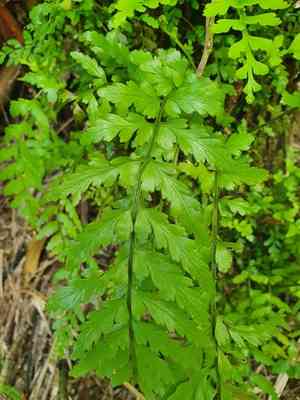
Quickly Identify Asplenium lamprophyllum
1
To identify Asplenium lamprophyllum, look for its shiny, dark green fronds which are pinnately divided and have a leathery texture. The sori on the underside of the fronds are linear and regularly spaced.
Scientific Classification of Asplenium lamprophyllum
Phylum
Vascular plants
Class
Ferns
Order
Polypodiales
Family
Spleenwort
Genus
Spleenworts
Species
Asplenium lamprophyllum
Planting and Growing of Asplenium lamprophyllum
Care Difficulty
Moderate
Watering Schedule
Every 4 days
Sunlight Requirements
Partial sun
Sunshine Duration
4-8 hours
Ideal Temperature
65-75℉
Soil Type
Potting Mix, Peat Mix
Soil pH
6.5-7.5
Fertilizer Type
Balanced
Pruning Season
Spring, Summer
Pruning Area
Branches, Leaves
Pruning Frequency
Once a year
Repotting Season
Spring
Pot Type
Plastic, Ceramic
 How to Water Asplenium lamprophyllum?
Asplenium lamprophyllum prefers a consistent level of moisture, but not too much that its roots become waterlogged. Water the plant with around 200 ml, ensuring the soil is evenly moist but not soggy. The key is to allow the top inch of soil to dry out slightly between waterings.
What are the symptoms of an underwatered Asplenium lamprophyllum?
›
What should I do if my Asplenium lamprophyllum is not getting enough water?
›
What are the symptoms of an overwatered Asplenium lamprophyllum?
›
How to save an overwatered Asplenium lamprophyllum?
›
 What Are the Sunlight Requirements for Asplenium lamprophyllum?
Partial sun or full shade is ideal for Asplenium lamprophyllum, as it protects the delicate leaf structure from burning while allowing enough light for optimal growth and coloration.
What is the best lighting condition for Asplenium lamprophyllum?
›
How can I achieve the ideal lighting conditions for the plant?
›
What are the benefits of ideal lighting conditions for Asplenium lamprophyllum?
›
 What Is the Ideal Temperature Range for Asplenium lamprophyllum?
The ideal temperature range for Asplenium lamprophyllum is between 65°F and 75°F. Within this range, the plant can thrive, showing optimal growth and vibrant foliage. Temperatures in this range mimic the warm, humid environments native to the plant, ensuring healthy development.
 What Soil is Best for Asplenium lamprophyllum?
Asplenium lamprophyllum thrives in soils that provide excellent drainage. Proper drainage prevents waterlogging, which can lead to root rot and other fungal issues. Choosing a soil mix with ample drainage ensures that the roots have enough air pockets, helping the plant stay healthy and vigorous. This plant benefits from a nutrient-rich soil that supports healthy growth and lush fronds. Using a loamy soil enriched with organic matter can supply essential nutrients, enhancing the plant's vigor and encouraging robust development. Maintaining consistent moisture in the soil is crucial for this plant. Although it enjoys humid environments, the substrate should not be overly saturated. Keeping the soil evenly moist supports optimal growth and avoids the stress caused by oscillating wet and dry soil conditions.
 How to Fertilize Asplenium lamprophyllum?
For Asplenium lamprophyllum, use a balanced liquid fertilizer diluted to half strength, as it is sensitive to over-fertilization. Typically, 1/2 teaspoon per gallon of water is sufficient for each feeding.
 How to Prune Asplenium lamprophyllum?
Begin by identifying any dead, brown, or damaged fronds. Carefully snip these at the base near the root using your shears. Examine the plant for crowded areas where fronds overlap excessively. Thin out these sections by selectively cutting some fronds to allow better light and air penetration. This helps in preventing fungal diseases and encourages healthier growth. Finally, step back and assess the symmetry and shape of the plant, making minor adjustments if necessary to enhance its overall appearance. After pruning, keep an eye on your Asplenium lamprophyllum for signs of stress or disease. Ensure that the environment remains humid and well-lit but not under direct sunlight, as tender new growth is sensitive. Adjust watering as needed, avoiding excess moisture to prevent root rot.
More About Pruning Techniques→
 How to Propagate Asplenium lamprophyllum plant?
1
Before division, the parent Asplenium lamprophyllum should be well-watered a day in advance. This ensures the roots are hydrated and reduces stress during the division process.
2
Carefully remove the plant from its pot and gently separate the root ball into smaller sections using a knife. Ensure each section has a healthy root system and some fronds attached.
3
Place each division into its pot filled with potting mix. Firm down the soil gently around the roots, and water thoroughly to settle the soil around the newly planted divisions.
 How to Repot Asplenium lamprophyllum plant?
1
Repot Asplenium lamprophyllum when its roots start circling inside the pot or when growth slows down noticeably. Watch for signs like roots emerging from drainage holes or the soil drying out too quickly, indicating it's time for a larger pot.
2
Opt for a pot that's one or two sizes larger than the current one, with adequate drainage holes. A slightly bigger pot allows room for growth without overwhelming the plant. Good drainage is vital to prevent root rot, ensuring the plant's health and vibrancy.
3
Select a rich, well-draining potting mix, ideally with components like perlite, peat moss, and organic matter. This combination supports nutrient retention and aeration while preventing waterlogging, crucial for healthy fern growth.



