How to Prune Indian's dream?
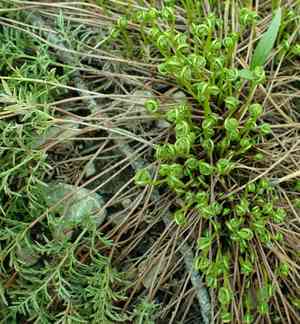
This fern-like plant, recognized for its robust texture and elaborate leaves, flourishes in dimly lit rockeries. The most effective trimming for indian's dream entails excising withered or compromised fronds near the base to stimulate vigorous development. The ideal period for pruning is from spring to early autumn, coinciding with its active growth phase. Refrain from excessive trimming to maintain its inherent form. Consistent pruning aids indian's dream by deterring ailments and fostering more luxuriant, vivid foliage.
What Are the Benefits of Pruning Indian's Dream?
What Are the Benefits of Pruning Indian's Dream?
Trimming indian's dream promotes robust development and maintains its structure. Regular removal of old leaves prevents congestion, improves air circulation, and lowers disease risk, contributing to indian's dream's strong health and visual appeal.
What Is the Best Time for Pruning Indian's Dream?
What Is the Best Time for Pruning Indian's Dream?
Pruning indian's dream in Spring is optimal as the plant enters a growth phase after dormancy, allowing for rapid healing and encouraging new development. Early Summer trimming can help shape the plant and manage its size when indian's dream is actively growing. Late Fall is also suitable for cutting back indian's dream, as it permits the removal of any dead or diseased foliage before winter, helping to prevent potential decay or infestation that could worsen in colder, wetter conditions. These periods ensure minimal stress on the plant while leveraging its natural growth cycles.
What Tools Do I Need to Prune Indian's Dream?
Sharp Bypass Pruners
Perfect for making clean cuts on the slender stems of indian's dream, offering precise control and minimizing harm to the delicate fronds.
Fine-toothed Pruning Saw
Useful for removing thicker, woody stems that may occasionally need trimming. The fine teeth reduce tearing and allow for smooth cuts.
Pruning Scissors
Recommended for trimming the thin, fragile fronds of indian's dream. These scissors provide accuracy for shaping and thinning without harming the plant.
Leaf Trimmers
Suitable for snipping off yellow or dead fronds from indian's dream, enabling a close cut without disturbing the surrounding healthy foliage.
Disinfectant
Crucial for sterilizing all pruning tools before and after use to prevent the spread of disease among indian's dream specimens.
How to Prune Indian's Dream
Sanitize
Before pruning, sterilize all cutting implements with alcohol or a bleach solution to prevent the transmission of disease to indian's dream.
Diseased Leaves
Carefully remove any diseased leaves from indian's dream using clean, sharp scissors or pruning shears. Cut close to the leaf base to avoid leaving stubs that could attract pests or decay.
Withered Leaves
Trim off any withered leaves from indian's dream to promote healthy growth and improve air circulation. Again, make cuts neat and close to the leaf base without damaging the stem.
Dead Branches
Cut back any dead branches on indian's dream using bypass pruners or a pruning saw for thicker branches. Make cuts at a slight angle, away from the trunk and just above a healthy bud or branch intersection.
Diseased Branches
Identify and prune out diseased branches from indian's dream by cutting well below the affected area. Ensure cuts are clean and avoid tearing the bark to facilitate quick healing.
Common Pruning Mistakes with Indian's Dream
Over Pruning
Removing too much foliage at once can weaken indian's dream by reducing its ability to photosynthesize effectively, compromising its overall health and vigor.
Disregarding Plant Structure
Cutting without understanding the natural growth pattern of indian's dream can result in a loss of its natural shape and beauty, and may impede its growth.
Using Dull Tools
Pruning with dull or unclean tools can cause unnecessary damage to the tissues of indian's dream, leaving it more susceptible to diseases and pests.
Neglecting Wound Care
Failing to apply a wound-pruning sealant on larger cuts creates open wounds that can invite infections or pests, affecting the health of indian's dream.
Improper Cut Timing
Pruning at the wrong time during its growth cycle can prevent indian's dream from recovering properly, potentially leading to poor growth or flowering.
Common Pruning Tips for Indian's Dream
Sharp Clean Tools
Using sharp and sterilized pruning shears will make precise cuts that heal faster, reducing the risk of disease and pest infestation in indian's dream.
Know Growth Pattern
Understanding the growth habit and pattern of indian's dream will allow for strategic pruning that enhances its natural form, rather than detracting from it.
Moderate Pruning
Conducting moderate pruning, without removing more than one-third of the plant material at a time, will maintain plant health and reduce stress on indian's dream.
Focus On Dead Material
Target dead or diseased fronds and old flower stems for removal, which will improve air circulation and direct the plant's energy towards new growth for indian's dream.
Consider Plant Age
Adjust pruning intensity according to the age of indian's dream, as older plants may require less frequent but more selective pruning to maintain their shape and health.



