The Indian's dream Plant Advantage: Maximizing Home and Office Appeal and Wellness
1
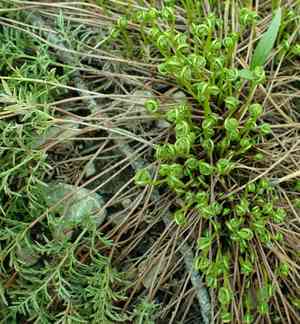
Indian's dream flourishes in stony environments, rendering it a hardy and easy-to-care-for plant.
2
This species is recognized for its contribution to enhancing soil quality and inhibiting soil loss.
3
Indian's dream has historically been appreciated for its distinct visual charm in cultivated areas and wild settings.
Why is Indian's dream Suitable for Various Landscapes?
Thrives in Challenging Conditions
A key characteristic of Indian's dream is its capacity to flourish in rocky, well-drained soils where other flora struggles. This makes it an ideal inclusion for rock gardens, xeriscapes, and other low-upkeep environments. Its inherent resistance to poor soil conditions reduces the need for fertilizers or soil amendments, making it an environmentally friendly option.
Low Water Requirements
Indian's dream is remarkably drought-resistant, lessening the need for frequent irrigation. This not only conserves water but also positions it as a perfect choice for regions experiencing water scarcity. Its deep root system allows it to access subterranean moisture, sustaining its growth even during extended dry periods.
How Does Indian's dream Benefit the Ecosystem?
Soil Health and Erosion Control
The dense root system of Indian's dream plays a vital role in enhancing soil structure and fertility. By binding the soil, it prevents erosion and runoff, especially on inclines and embankments. This not only preserves the topsoil but also slows the degradation of natural environments.
Supporting Biodiversity
Indian's dream offers a habitat for various microorganisms, insects, and small creatures, fostering a diverse ecosystem. Its foliage and roots provide shelter and sustenance, thereby supporting a complex web of life. The plant's presence boosts biodiversity, contributing to a healthier and more balanced natural setting.
What Makes Indian's dream Ideal for Gardens?
Aesthetic Appeal
Gardeners appreciate Indian's dream for its distinctive look, which adds texture and visual interest to any landscape design. Its leaves often maintain a fresh and vibrant appearance year-round, making it a valuable addition for creating evergreen gardens. The plant can be utilized in various garden settings, including borders, ground covers, and decorative rock arrangements.
Ease of Care
Another significant benefit of Indian's dream in garden environments is its low-maintenance nature. The plant requires minimal trimming, fertilizing, or pest management, making it an excellent choice for both novice and experienced gardeners. Its robust nature ensures it can thrive with little intervention, allowing gardeners to enjoy a beautiful landscape with minimal effort.
What Are Some Traditional Uses of Indian's dream?
Cultural Significance
Historically, Indian's dream has been revered in various cultures for its symbolic meanings and practical applications. It often appears in traditional ceremonies and folklore, highlighting its long-standing importance to communities. These cultural ties enhance its appeal and make it a meaningful addition to gardens and natural areas.
Natural Landscaping
In traditional landscapes, Indian's dream has been used to create natural barriers and to assist in land restoration projects. Its ability to stabilize soil and provide cover makes it a valuable tool in rehabilitating degraded areas. By integrating Indian's dream into modern landscaping practices, we draw upon ancient wisdom that promotes sustainability and ecological balance.
How to Incorporate Indian's dream into Your Garden?
Selecting the Right Spot
To maximize the potential of Indian's dream, it's crucial to plant it in the appropriate location. Given its preference for well-drained soil and rocky terrains, consider placing it in areas that mimic its natural environment. Rock gardens, slopes, and gravelly soils are ideal spots where this plant can flourish.
Caring for Indian's dream
Once established, Indian's dream requires minimal attention. Occasional watering during extended dry periods and removing dead foliage are usually sufficient to maintain the plant's health. Mulching may be beneficial in extreme climates to conserve soil moisture and regulate temperature, though the plant's inherent resilience often reduces the need for intensive care.



