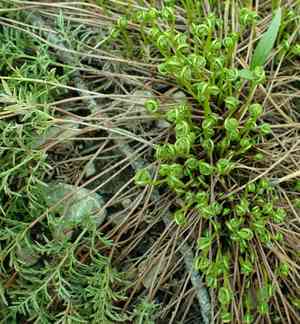
Indian's dream (Aspidotis densa)
Also known as: Pod fern, Serpentine fern
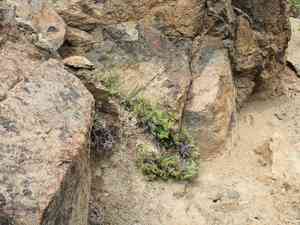
The Indian's Dream (Aspidotis densa) is a fern species indigenous to western North America and occasionally found in Quebec. It thrives on rocky outcrops, establishing large colonies by rooting in every available crevice.
In This Article
Attributes of Indian's dream
Lifespan
Perennial
Plant Type
Herb
Plant Height
5 cm to 10 cm
Spread
15 cm to 30 cm
Leaf Color
Dark green
Flower Size
N/A
Flower Color
N/A
Images of Indian's dream
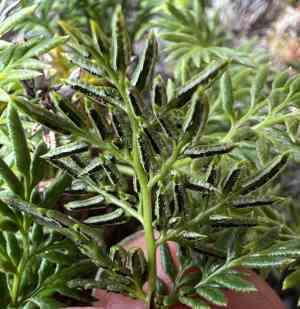
Quickly Identify Indian's dream
1
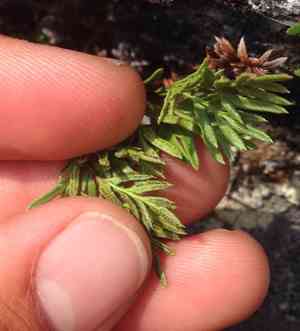
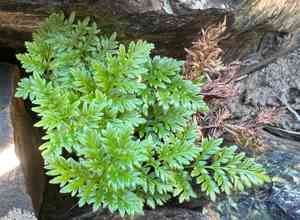
Aspidotis densa can be identified by its small, evergreen fronds that are densely tufted and finely divided, giving them a lacy appearance. The fronds are linear to oblong and are often dark green in color.
Scientific Classification of Indian's dream
Phylum
Vascular plants
Class
Ferns
Order
Polypodiales
Family
Brake
Genus
Laceferns
Species
Indian's dream
Planting and Growing of Indian's dream
Care Difficulty
Easy
Watering Schedule
Every day
Sunlight Requirements
Partial sun
Sunshine Duration
4-8 hours
Ideal Temperature
60-75℉
Soil Type
Potting Mix, Peat Mix
Soil pH
5.5-7.5
Fertilizer Type
Balanced
Pruning Season
Spring, Summer
Pruning Area
Branches, Leaves
Pruning Frequency
2 times a year
Repotting Season
Spring
Pot Type
Plastic, Terracotta
 How to Water Indian's dream?
Aspidotis densa, also known as dense lacefern, requires careful watering to maintain the right moisture levels. Provide approximately 200 milliliters during each session. Ensure that the water seeps thoroughly into the soil but avoid making it soggy. It's best to water until the top few inches of soil are moist to the touch, yet not drenched.
What are the symptoms of an underwatered Indian's dream?
›
What should I do if my Indian's dream is not getting enough water?
›
What are the symptoms of an overwatered Indian's dream?
›
How to save an overwatered Indian's dream?
›
 What Are the Sunlight Requirements for Indian's dream?
Aspidotis densa prefers partial sun to full shade. This light range allows the plant to conduct adequate photosynthesis without the risks that high intensity light poses. This results in healthier development and lesser pest issues.
More About Sunlight Requirements Techniques→
How much light does Aspidotis densa need?
›
What is the best way to position Aspidotis densa?
›
What happens if Aspidotis densa receives ideal sunlight?
›
 What Is the Ideal Temperature Range for Indian's dream?
Aspidotis densa thrives best when maintained at a temperature range between 60 and 75 degrees Fahrenheit. This range ensures optimal metabolic activity and provides the right conditions for photosynthesis and respiration. Ensuring your plant stays within this temperature window will help it maintain healthy growth and vibrant foliage.
 What Soil is Best for Indian's dream?
Aspidotis densa thrives in soils with excellent drainage. Well-drained soil prevents water from stagnating around the roots, which can lead to root rot. This condition promotes healthy root development and overall plant vigor, ensuring the plant's resilience and vibrant growth. While not overly demanding, Aspidotis densa benefits from a soil rich in organic matter. This provides essential nutrients that support its growth and contribute to lush, green foliage. Incorporating organic compost can boost soil fertility, encouraging better plant health and robustness. Aspidotis densa prefers soils that retain moisture but do not remain waterlogged. Such soils strike a balance between moisture availability and excess water drainage, ensuring the plant receives adequate hydration without the risk of root damage. This balance helps maintain the delicate water needs of the plant.
 How to Fertilize Indian's dream?
Aspidotis densa, commonly known as the Indian dream fern, benefits from a measured approach to fertilization. Apply a balanced 20-20-20 liquid fertilizer, diluted to half-strength, at the specified frequency. This ensures the plant gets enough nutrients without excess build-up in the soil.
 How to Prune Indian's dream?
While it might be tempting to cut back extensively, over-pruning can weaken the plant. Always aim to remove only the damaged or dead fronds to encourage healthy growth without stressing the plant.
More About Pruning Techniques→
 How to Propagate Indian's dream plant?
1
Choose robust, disease-free plants for propagation. Healthy parent plants increase the likelihood of successful propagation and robust offspring. Avoid using plants that show signs of distress or disease.
2
Prepare a well-draining substrate for seed or division planting. A mix of peat moss and sand can offer good drainage and aeration. Ensure the substrate is moist but not waterlogged before planting.
3
For seeds, sow them lightly on the surface of the substrate and mist to settle them in. For divisions, plant the separated rhizomes at the same depth they were growing before, keeping the crown at soil level.
 How to Repot Indian's dream plant?
1
Repotting Aspidotis densa is ideal when the roots outgrow the current pot or begin to protrude through drainage holes. Other signals include slowed growth or noticeable soil compaction, suggesting it's time for a fresh growing medium.
2
Choose a pot that is only slightly larger than the current one to maintain soil aeration. Opt for pots with ample drainage holes to prevent waterlogging. Terra cotta pots are excellent, as they allow for moisture evaporation and breathability.
3
A well-draining sandy soil mix is ideal for Aspidotis densa. This type of soil prevents root rot by allowing excess water to escape while providing necessary aeration. You might consider supplementing with perlite or pumice for enhanced drainage.



