How to Prune California milkweed?
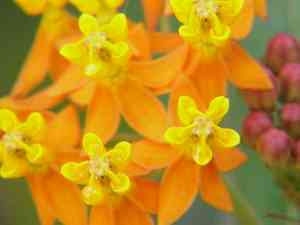
California milkweed, a perennial recognized for its elaborate blossoms and significance to butterflies, flourishes with little upkeep. Trim withered or compromised stalks to foster robust development and preserve its form. The most effective time for trimming is in spring or early summer, coinciding with periods of vigorous growth. Pruning at this juncture can stimulate fresh sprouts, enhancing the likelihood of more blooms. Key advantages encompass encouraging thicker foliage and discouraging pest problems. Consistent trimming ensures vigor, particularly in cultivated environments.
What Are the Benefits of Pruning California Milkweed?
What Are the Benefits of Pruning California Milkweed?
Trimming california milkweed encourages robust development and maintains its desired shape. Strategic cuts can promote new branches, enhancing the plant's vigor and appearance while managing its size for better space utilization.
What Is the Best Time for Pruning California Milkweed?
What Is the Best Time for Pruning California Milkweed?
Trimming california milkweed in late winter, just prior to the start of spring growth, allows the plant time to recover and minimizes stress, as it is dormant. It also helps to stimulate new growth in spring and summer, which aligns with the optimal pruning seasons. Avoid pruning during spring and summer as this is when california milkweed enters its active growth phase and produces flowers, which is crucial for the survival of pollinators like butterflies. Excessive pruning during these seasons can reduce blooming and negatively impact the plant's health and the local ecosystem.
What Tools Do I Need to Prune California Milkweed?
Hand Pruners
California milkweed typically has upright stems that are not excessively thick, making hand pruners, also known as secateurs, the perfect tool for making precise cuts on the plant. They are ideal for cutting through stems and branches up to ¾ inch in diameter.
Pruning Shears
To ensure a clean cut that will heal quickly, sharp bypass pruning shears are recommended for california milkweed. They work well on the plant's relatively soft, herbaceous stems and can help prevent disease transmission.
Gloves
Wearing gloves while pruning california milkweed is crucial as the sap can be irritating to skin and is toxic if ingested. Gloves protect the gardener from potential allergic reactions.
Garden Sanitizer
Given that california milkweed can be susceptible to disease, cleaning the pruning tools with a sanitizer before and after use is a vital step to prevent spreading pathogens from infected plants to healthy ones.
How to Prune California Milkweed
Sanitize Tools
Before beginning, thoroughly disinfect pruning shears to prevent the spread of disease to california milkweed.
Remove Diseased Materials
Carefully snip off any diseased leaves and stems from california milkweed, ensuring cuts are made at a 45-degree angle just above a healthy set of leaves or node to encourage new growth.
Prune Withered Leaves
Identify and remove any dried or old leaves from california milkweed to maintain plant health and appearance.
Dispose Diseased Materials
Promptly and properly discard all diseased clippings away from california milkweed to prevent reinfection or spread of disease.
Clean Up
Conclude by cleaning the pruning tools again and clearing away any leftover plant debris from the area around california milkweed.
Common Pruning Mistakes with California Milkweed
Overpruning
Removing too much of california milkweed can cause stress and reduce its ability to grow and bloom properly.
Incorrect Cutting
Cutting california milkweed at the wrong angle or in the wrong location can damage the plant and inhibit its natural growth pattern.
Pruning Too Early
Pruning california milkweed before it has matured enough can prevent the plant from establishing a strong root system and healthy foliage.
Not Disinfecting Tools
Neglecting to clean and disinfect pruning tools can introduce diseases to california milkweed, harming its overall health.
Ignoring Dead Or Damaged Stems
Failing to remove dead or damaged stems can impede california milkweed's growth and make it vulnerable to pests and diseases.
Common Pruning Tips for California Milkweed
Identify Growth Nodes
Cut just above growth nodes to encourage bushier growth and more blooms on california milkweed.
Angle Cuts
Making cuts at a 45-degree angle ensures water runs off the cut surface, reducing the risk of disease for california milkweed.
Clean Cuts
Ensure that cuts are clean and not jagged to promote better healing on california milkweed.
Disinfect Tools
Regularly disinfect pruning shears to prevent the spread of diseases when tending to california milkweed.
Moderate Pruning
It is essential to prune california milkweed moderately, focusing on thinning out dense areas and cutting back old, nonproductive stems to encourage healthy growth and flowering.
Post-Bloom Care
After california milkweed has bloomed, remove only the spent flowers to stimulate another round of blooms and prevent excessive self-seeding if not desired.



